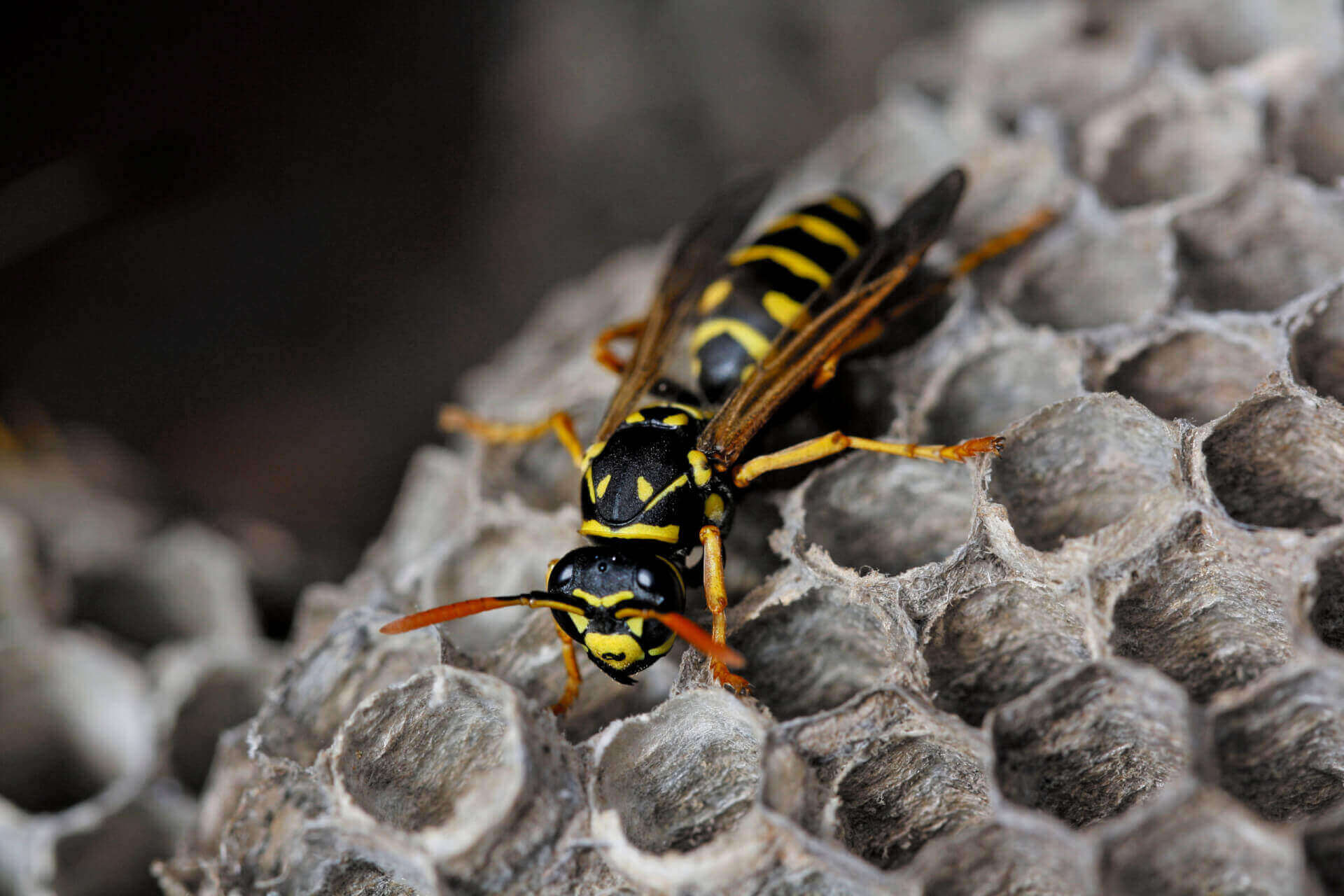
While most people instinctively swat at or flee from wasps, a growing number of scientists are advocating for a more nuanced understanding of these often-feared insects. Dr. Sarah Lawson, an entomologist specializing in hymenoptera, has dedicated her career to changing public perception about wasps, arguing they play crucial ecological roles that deserve our appreciation rather than our hostility.
El desagrado habitual hacia las avispas surge principalmente de experiencias personales dolorosas y su reputación de ser más agresivas en comparación con sus primas, las abejas. No obstante, la investigación del Dr. Lawson muestra que de las decenas de miles de especies de avispas, solo una pequeña parte llega a interactuar con los humanos, y aún menos representan una amenaza real. La mayoría de las avispas viven de manera solitaria, completamente inadvertidas por la gente, dedicándose a polinizar plantas y controlar poblaciones de plagas.
Ecologically, wasps act as natural agents of pest control. One colony can remove thousands of caterpillars, flies, and other insects that harm crops and gardens. Their predatory behaviors support ecological balance and lessen the reliance on chemical pesticides. Certain research indicates that the economic importance of wasps’ pest control services could amount to billions of dollars each year globally, especially when accounting for their influence on agriculture.
Beyond their practical benefits, wasps demonstrate remarkable intelligence and social behaviors that fascinate scientists. Certain species exhibit complex communication systems, architectural skills in nest-building, and sophisticated hunting strategies. Paper wasps can recognize individual faces within their colonies, while some parasitic wasps have evolved incredibly precise methods for targeting specific host insects.
Dr. Lawson’s research focuses on teaching the community methods for harmonious living. Basic actions such as not making abrupt gestures around wasps, avoiding the use of intense scents outside, and ensuring food containers are tightly closed can avert the majority of unwanted incidents. She highlights that wasps only react defensively when sensing dangers to their colonies, as opposed to bees, which might sting in defense of their food supplies.
The conservation aspect constitutes another essential element of Dr. Lawson’s message. Similar to numerous insect species, wasps are endangered by habitat destruction, climate alterations, and the application of pesticides. A number of species have vanished without researchers having the opportunity to thoroughly examine them. This decline is significant because wasps hold distinct ecological roles—certain orchids, for example, depend exclusively on particular wasp species for their pollination.
Public education initiatives led by Dr. Lawson and colleagues aim to help people distinguish between different wasp species and understand their behaviors. While no one suggests inviting yellowjackets to a picnic, learning to identify and appreciate less aggressive species represents an important step toward ecological literacy. Citizen science projects now encourage people to document wasp sightings, contributing valuable data about their distribution and population trends.
The emotional side of conquering fear of wasps offers a fascinating part of this study. Dr. Lawson’s group discovered that learning basic facts about wasp biology and patterns can greatly lessen fear reactions in the majority of individuals. Their educational initiatives incorporate safe observation chances, enabling participants to see wasps’ complex actions up close, all without danger.
From an evolutionary viewpoint, wasps are considered a remarkable success story in nature. They have been around for more than 200 million years, adapting to almost every land-based environment across the globe. Their evolutionary breakthroughs involve establishing social communities, unique hunting strategies, and symbiotic connections with numerous plants and other living things.
The scientific community continues making new discoveries about wasp biology that could benefit humanity. Wasp venom shows promise for medical applications, including cancer treatment research. Certain parasitic wasp species are being studied as potential biological controls for invasive pests, offering environmentally friendly alternatives to chemical pesticides.
Changing deeply ingrained cultural perceptions about wasps remains challenging, but Dr. Lawson finds reason for optimism. She points to similar shifts in how society now views predators like wolves and sharks—once universally feared, now increasingly recognized as essential ecosystem components worthy of protection. With continued education and exposure, she believes wasps can undergo a similar image transformation.
Practical steps for coexisting with wasps include learning to identify nest sites early in the season when colonies are small, understanding that wasps become less aggressive in late summer as their life cycle winds down, and recognizing that most “wasp” sightings are actually harmless lookalikes like hoverflies. Professional removal remains the safest option when nests pose genuine hazards near homes.
The bigger picture involves appreciating biodiversity in all its forms, even the creatures that make us uncomfortable. In a world facing rapid ecological changes, understanding the value of each species—including the much-maligned wasp—becomes increasingly important. Dr. Lawson’s work reminds us that nature rarely fits into simple categories of “good” and “bad,” and that even the most feared organisms often play vital roles in maintaining the ecosystems we all depend on.
As studies persist in uncovering the secret marvels of wasp biology and ecology, the scientific community aspires that public sentiment will slowly move away from fear and toward interest. The path to valuing wasps reflects humanity’s larger challenge of coexisting harmoniously with nature—acknowledging that even creatures that sometimes cause us trouble often play roles we are just starting to grasp.