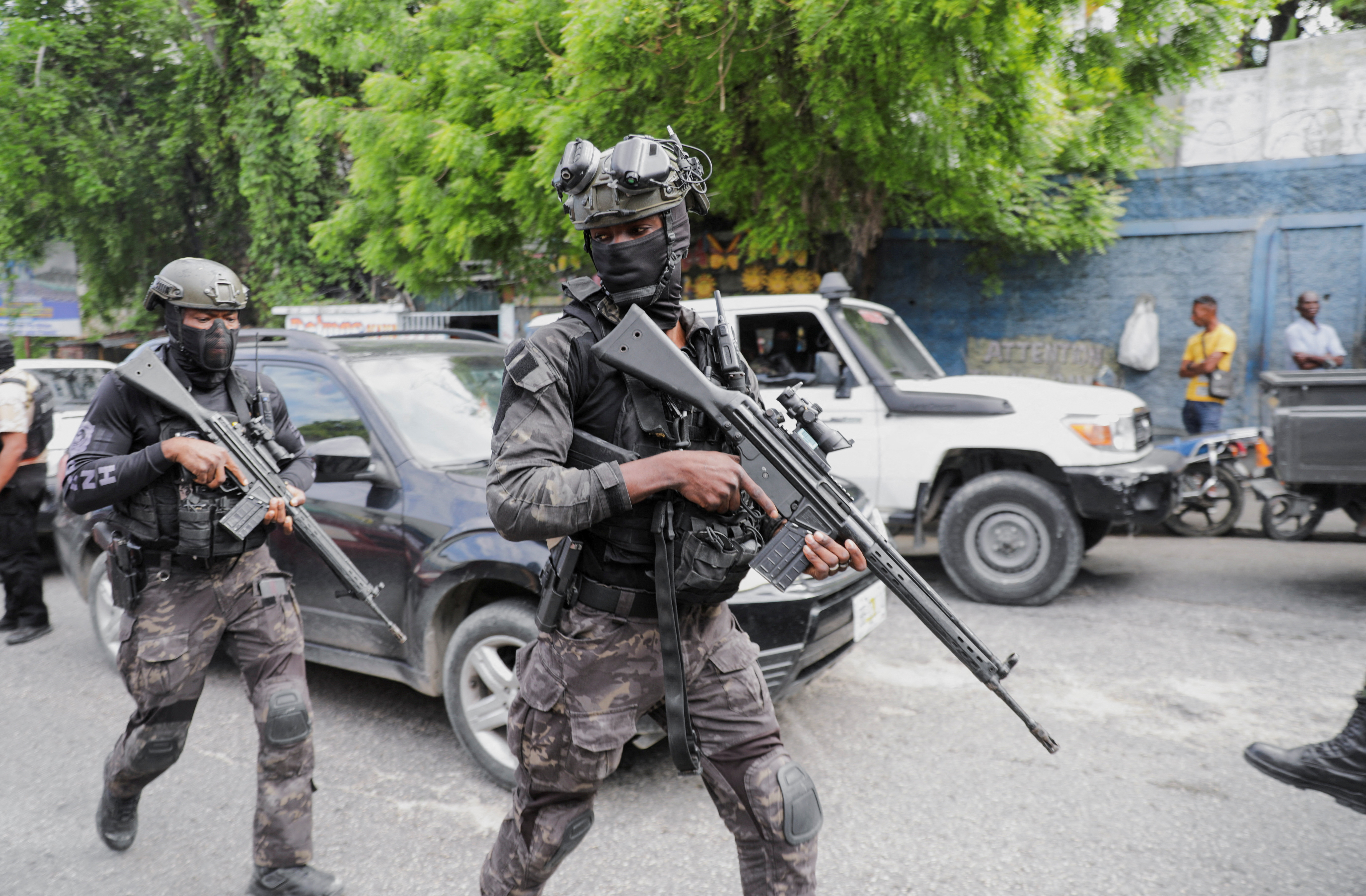
The Caribbean nation of Haiti has entered a critical phase of political transition as newly appointed leaders take office while armed groups continue their violent campaign to destabilize the government. This leadership change occurs during one of the most challenging periods in Haiti’s recent history, with criminal organizations controlling significant portions of the capital and threatening to topple the country’s fragile political institutions.
The transitional presidential council recently sworn in represents a fragile attempt to restore order and democratic governance. Composed of nine members from various political factions and civil society groups, this interim administration faces the daunting task of stabilizing a nation where gang violence has paralyzed daily life. The council’s formation follows months of negotiations brokered by international partners after the previous prime minister resigned under pressure from both protestors and armed factions.
Security experts indicate that criminal organizations have taken over about 80% of Port-au-Prince, the capital of Haiti. These armed factions have deliberately targeted government offices, police facilities, and essential infrastructure to assert dominance. The unrest has led to a humanitarian crisis, forcing thousands to leave their homes and causing essential services to fall apart in the impacted regions.
The new leadership inherits a nation where:
- Over 360,000 citizens remain internally displaced due to gang violence
- Nearly half the population faces acute food insecurity
- The national police force remains severely understaffed and under-equipped
- Key government functions have been relocated to more secure locations
The global reaction to the crisis has been careful yet increasing. The United Nations Security Council has lately approved an international security mission aimed at assisting the Haitian police, but the timing for deployment is still unclear. Nearby countries have boosted border protection as they brace for potential waves of refugees, while regional organizations persist in their diplomatic initiatives to back Haiti’s transitional phase.
The economic consequences of the ongoing instability are severely damaging what is left of Haiti’s official economy. The primary port has been functioning sporadically because of security issues, leading to a scarcity of crucial goods. Inflation has surged, with food costs rising by over 45% just in the last year. Numerous businesses have shut down for good, while those still operating are encountering extortion threats from armed gangs.
Humanitarian organizations report extreme difficulties delivering aid in gang-controlled areas. Medical facilities struggle with supply shortages and security threats, leaving many Haitians without access to basic healthcare. Education has been severely disrupted, with most schools in the capital region closed for months due to safety concerns.
The transitional council’s immediate priorities include restoring basic security, preparing for eventual elections, and addressing the humanitarian crisis. However, experts caution that meaningful progress will require neutralizing armed groups that have effectively become parallel governing forces in many communities. Some gangs have political connections dating back years, while others operate as purely criminal enterprises exploiting the power vacuum.
Haiti’s complex crisis stems from decades of political instability, natural disasters, foreign intervention, and systemic poverty. The current violence represents both a symptom and accelerator of these longstanding challenges. As the new leadership attempts to chart a path forward, the international community watches closely to see whether this transitional government can succeed where others have failed in restoring stability to the troubled nation.
For ordinary Haitians, daily survival remains the overwhelming concern. Many citizens report feeling abandoned by both their government and the international community as they navigate checkpoints, shortages, and the constant threat of violence. The coming months will test whether Haiti’s latest political transition can translate into tangible improvements for a population that has endured years of escalating crises with diminishing hope for change.