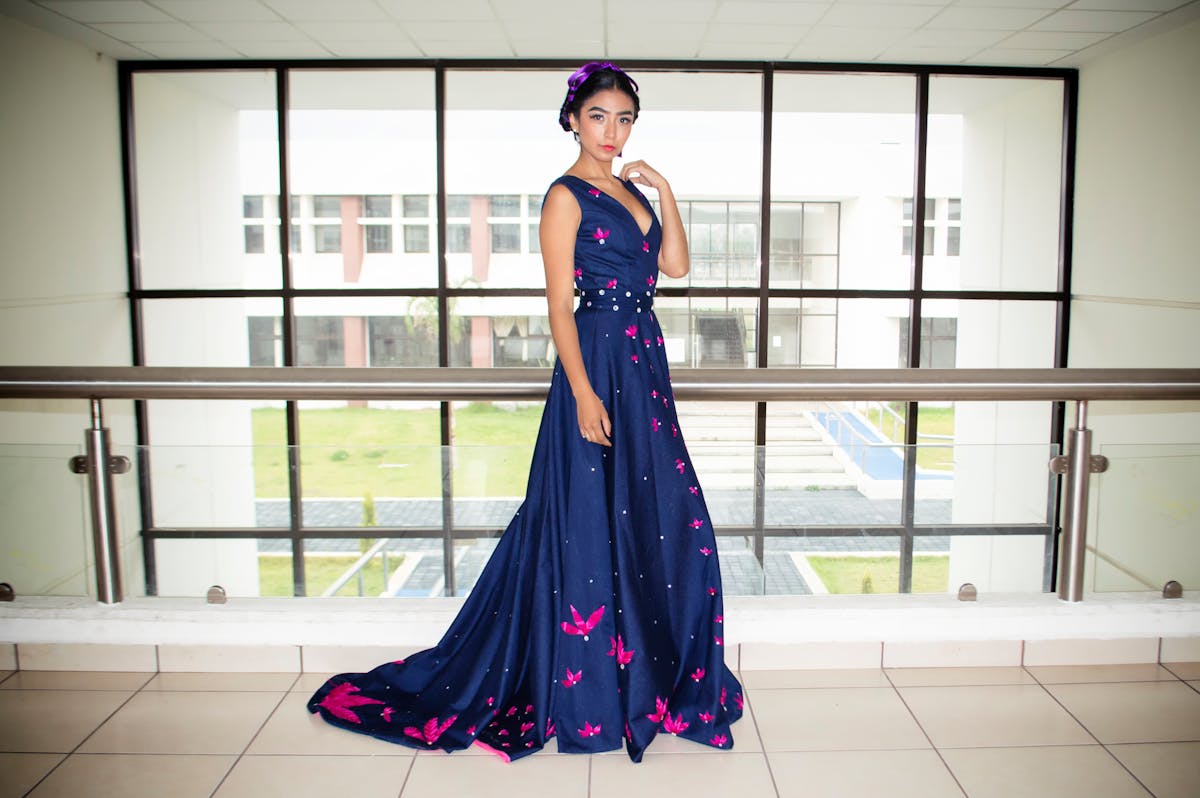
In the world of fashion, the term “fashion icon” is frequently used to describe individuals who have made significant and lasting impacts on the industry. But what constitutes a fashion icon, and how do they influence the ever-evolving world of style? This article delves deeply into the characteristics, roles, and notable examples of such transformative figures.
Defining a Fashion Icon
A fashion icon is more than just an individual who wears fashionable clothes. They are personalities who lead with innovation and possess an innate ability to inspire trends and influence how people perceive style. A fashion icon’s allure often lies in their ability to consistently make bold choices that resonate across diverse demographics, challenging fashion norms and setting new standards.
Defining Traits of a Fashion Icon
1. Visionary Style: Fashion icons are often described as visionaries. They envision the future of fashion and incorporate elements that others may not yet grasp. Their distinctive style is characterized by its timelessness, fearlessness, and originality.
2. Influence and Impact: A fashion icon’s influence reaches across media, culture, and consumer habits, and their style choices can shift perceptions and redefine beauty standards, leaving a notable imprint on designers, the broader fashion industry, and admirers worldwide.
3. Cultural Relevance: Fashion icons are often closely tied to cultural movements. They mirror societal shifts and can become symbols of change, bringing light to issues like gender equality, racial diversity, or sustainable fashion through their public appearances and collaborations.
Historical and Modern Examples
Let’s explore some revered fashion icons across different eras and understand their contributions:
– Coco Chanel: Chanel revolutionized women’s fashion in the early 20th century by introducing elements of comfort and elegance previously reserved for men’s clothing. Her iconic Chanel No. 5 and the creation of the “little black dress” remain timeless even today.
– Audrey Hepburn: Known for her classic beauty and elegance, Hepburn, with her roles in films like “Breakfast at Tiffany’s,” popularized the minimalist aesthetic that continues to influence designers globally.
– David Bowie: A pioneer in self-expression, Bowie explored flamboyant fashion choices that defied gender norms, reinforcing avant-garde fashion through his music and public persona in the 1970s and 1980s.
– Lady Gaga: In the modern era, Lady Gaga stands out for her boundary-pushing fashion statements that combine theatrical elements with high fashion, motivating a new generation of artists and designers to embrace bold creativity.
The Role of Media and Digital Platforms
With the rise of digital platforms, the influence and visibility of fashion icons have grown substantially, as social media speeds up how trends spread and allows these figures to engage with their audiences in a more direct and personal way, turning them from print-based trendsetters into influencers who use platforms like Instagram and TikTok to present their distinctive styles.
For example, singers like Rihanna use their platforms to debut their fashion lines, blending celebrity influence with entrepreneurial ventures, thus broadening their icon status beyond personal style to encompass business acumen.
Fashion Icons and Consumer Behavior
Fashion icons exert a strong influence on how consumers behave, as the wish to mirror the appearance of these trendsetters reshapes buying habits across the fashion world. Shoppers frequently pursue the “iconic” items showcased by their preferred personalities, triggering sudden surges in demand for specific styles, labels, or complete collections.
Moreover, fashion icons frequently join forces with established fashion houses, producing collections that reflect their distinctive signature. Such collaborations captivate existing fans while drawing fresh audiences to the brand, underscoring the mutually beneficial bond between fashion icons and the broader industry.
The Future of Fashion Icons
As the fashion world keeps advancing, the idea of what defines a fashion icon also shifts, with diversity becoming essential as a wider range of viewpoints and experiences influence the style conversation, and tomorrow’s icons will likely emerge from increasingly diverse origins, adopting technology and sustainability in innovative ways that push fashion forward.
Ultimately, fashion icons will stay at the center of cultural conversation, continually reinventing and motivating through their remarkable talent for reshaping and reinterpreting what fashion signifies to society; their legacies keep evolving as each new generation uncovers its own distinct expression and understanding of style in an ever-changing world.