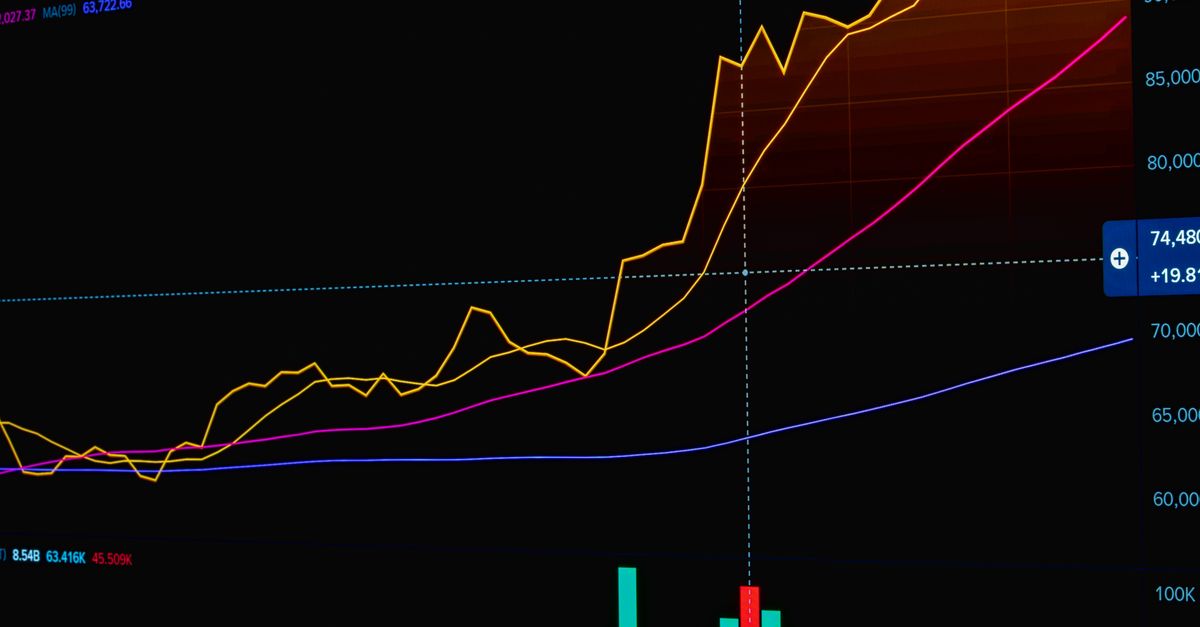
Valuation uncertainty arises when buyers and sellers have differing views on a company’s future performance, risk profile, or market conditions. This is common in acquisitions involving high-growth companies, emerging technologies, cyclical industries, or volatile economic environments. Buyers worry about overpaying if projections fail to materialize, while sellers fear leaving value on the table if the business outperforms expectations. To bridge this gap, deal structures are designed to allocate risk over time rather than forcing all uncertainty into a single upfront price.
Earn-Outs: Connecting the Purchase Price to Future Outcomes
Earn-outs represent one of the most common mechanisms for addressing valuation uncertainty, with a portion of the purchase price made conditional on the company meeting specified performance milestones following closing.
- How they work: Buyers provide an upfront sum at closing, followed by further installments that are activated when specific performance indicators such as revenue, EBITDA, or customer retention are met over a period of one to three years.
- Why buyers use them: They help minimize the chance of overpaying because the final valuation depends on verified outcomes instead of forecasts.
- Example: A software company is purchased with an initial 70 million dollars paid immediately, and an extra 30 million dollars issued if its annual recurring revenue surpasses 50 million dollars within two years.
Earn-outs frequently appear in technology and life sciences transactions, where future expansion appears promising yet unpredictable, and they must be drafted with precision to prevent conflicts concerning accounting approaches or management control.
Milestone-Linked Contingent Compensation
Beyond financial metrics, milestone-based contingent consideration links payments to specific events.
- Typical milestones: These can include securing regulatory clearance, initiating product rollouts, obtaining patent approvals, or expanding into additional markets.
- Buyer advantage: Payment is made solely when events that genuinely generate value take place.
- Case example: Within pharmaceutical acquisitions, purchasers frequently provide a small upfront sum, followed by substantial milestone-based payments once clinical trials succeed or regulators grant approval.
This framework works particularly well for binary uncertainties, for instance when it is unclear if a product will secure regulatory approval.
Seller Notes and Deferred Payments
Seller financing or deferred payments require the seller to leave a portion of the purchase price in the business as a loan to the buyer.
- Risk-sharing effect: If the business underperforms, the buyer may negotiate extended repayment terms or face less financial strain.
- Signal of confidence: Sellers who agree to notes demonstrate belief in the business’s future performance.
- Example: A buyer pays 80 percent of the price at closing, with the remaining 20 percent paid over three years from operating cash flows.
For buyers, this arrangement cuts down upfront cash demands and links their incentives to the business’s ongoing performance.
Equity Rollovers: Keeping Sellers Invested
During an equity rollover, sellers allocate part of their sale proceeds to the acquiring organization or to the business once the transaction is completed.
- Why it helps buyers: Sellers participate in potential gains and losses ahead, which helps minimize valuation uncertainty.
- Common usage: In many private equity deals, founders are often asked to reinvest between 20 and 40 percent of their ownership.
- Practical impact: When performance surpasses projections, sellers share the upside with buyers; if results fall short, both sides feel the effect.
Equity rollovers often prove successful when maintaining management continuity and fostering long-term value generation is essential.
Price Adjustment Mechanisms
Closing price adjustments refine valuation by aligning the final price with the company’s actual financial position at closing.
- Typical adjustments: Net working capital, outstanding debt, and available cash reserves.
- Buyer protection: Shields the buyer from paying a price grounded in normalized metrics if the business weakens before the transaction is finalized.
- Example: When the working capital at closing falls 5 million dollars short of the agreed benchmark, the purchase price is lowered to match that gap.
Although these mechanisms do not resolve long-term uncertainty, they help temper short-term valuation risk.
Locked-Box Structures with Protective Clauses
A locked-box structure fixes the price based on historical financials, but buyers manage uncertainty through protective provisions.
- Leakage protections: Prevent value extraction by sellers between the valuation date and closing.
- Interest-like adjustments: Buyers may apply a value accrual to compensate for the time gap.
- When effective: In stable businesses with predictable cash flows, combined with strong contractual safeguards.
This method ensures predictable pricing while still managing risk through disciplined contractual oversight.
Escrows and Holdbacks
Escrows and holdbacks set aside a portion of the purchase price to cover potential post-closing issues.
- Purpose: Protect buyers against breaches of representations, warranties, or specific risks.
- Typical size: Often 5 to 15 percent of the purchase price, held for 12 to 24 months.
- Valuation impact: While not directly tied to performance, they cushion the buyer against downside surprises.
These structures work alongside other safeguards, handling both anticipated and unforeseen risks.
Hybrid Frameworks: Integrating Various Tools
In practice, buyers frequently rely on hybrid deal structures to address multiple layers of uncertainty at the same time.
- Example: An acquisition can involve an initial cash outlay, a revenue-based earn-out, a management equity rollover, and a seller-financed note.
- Benefit: Every element targets a particular type of risk, ranging from day-to-day operational results to broader strategic value over time.
Data from global merger and acquisition studies consistently show that deals using multiple contingent elements are more likely to close when valuation expectations diverge significantly.
Overseeing Valuation Exposure
Deal structures go beyond simple financial mechanics; they serve as practical demonstrations of how buyers and sellers distribute uncertainty. By deferring a portion of the price, linking compensation to concrete performance measures, and ensuring sellers maintain economic engagement, buyers can proceed without absorbing every risk at signing. The strongest structures are those that reflect the specific uncertainties of the business, keep incentives aligned over time, and stay sufficiently clear to prevent disputes. When carefully crafted, these tools shift valuation disagreements from potential deal breakers to shared challenges that can be managed effectively.