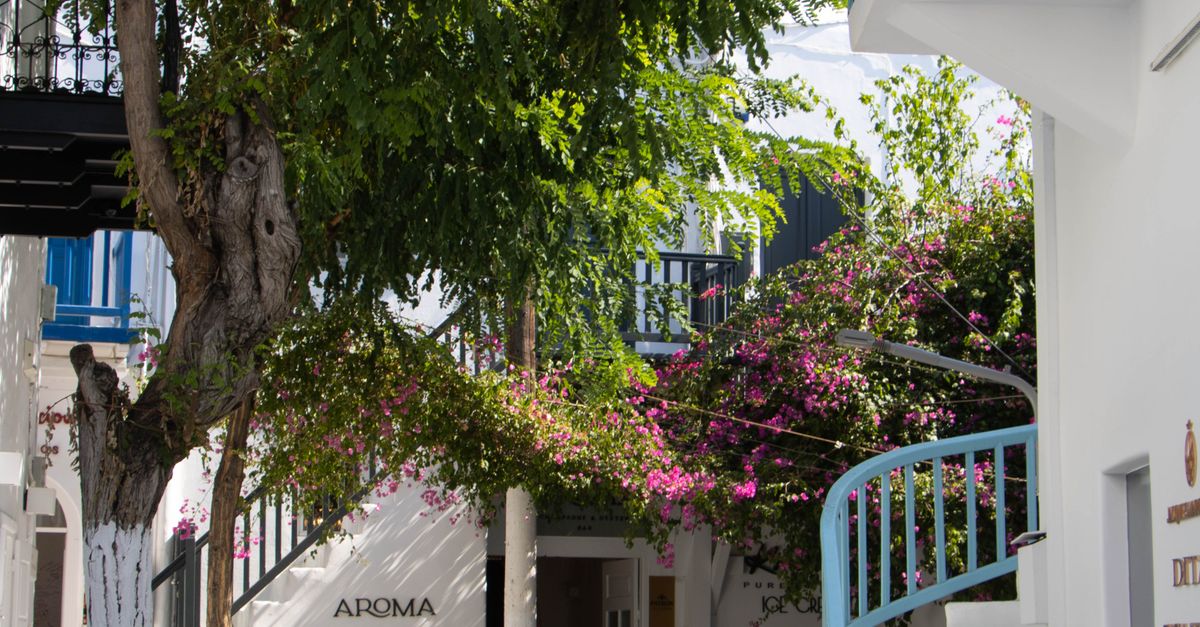
Greece’s islands blend remarkable cultural and natural heritage with pronounced economic fragility, as nearly 200–250 of them remain permanently inhabited and feature historic settlements, archaeological landmarks, traditional architecture, and living customs that shape local identity and fuel national tourism. Yet these islands also contend with shrinking populations, seasonal job patterns, constrained public funding, and climate-driven threats. Corporate social responsibility (CSR) can therefore become essential in supporting heritage restoration and reinforcing the social economy that underpins island communities throughout the entire year.
How CSR plays a vital role in revitalizing heritage and strengthening the social economy
- Funding gap. Public resources for restoration and maintenance are limited; CSR can provide targeted capital for both urgent repair and long-term conservation.
- Capacity building. Companies can fund skills training—conservation trades, digital skills, hospitality, marketing—that convert heritage into sustainable livelihoods.
- Market access and branding. Private partners can open distribution channels for island products and help package cultural experiences to attract higher-value, lower-impact visitors.
- Innovation and risk sharing. CSR enables pilot projects (energy, circular economy, social procurement) that public actors may be unable or slow to finance.
- Stakeholder leverage. Corporations can convene public authorities, donors, NGOs, and communities to coordinate actions at scale.
What CSR can support: interventions and mechanisms
- Built heritage restoration. Funding material conservation of monuments, churches, windmills, vernacular houses, and port infrastructure through grants, matched funds, or sponsorships.
- Intangible heritage and cultural programming. Backing festivals, apprenticeships in crafts, music, and culinary traditions that keep knowledge alive and extend the tourism season.
- Social enterprise incubation. Grants, technical assistance, and procurement preferences for cooperatives, artisans, and community-owned ventures (food processing, small museums, guided-tour enterprises).
- Digitalization and interpretation. Financing digital archives, virtual tours, and heritage apps that increase visitor understanding and enable remote access to island culture.
- Sustainable tourism and product development. Supporting training in hospitality quality, certification schemes, and branding for island-specific products (olive oil, mastic, honey, ceramics).
- Green infrastructure and resilience. Investing in renewable energy, water management, and climate-proofing of heritage sites to reduce long-term maintenance costs.
- Blended finance and impact investment. Combining CSR grants with social impact bonds or concessionary loans to scale social enterprises and infrastructure projects.
Notable cases and illustrative examples
- Chios mastic and cooperative resilience. The mastic-producing villages of Chios exemplify how a robust cooperative network can sustain cultivation, guide product innovation, and highlight cultural identity. Numerous private commercial and philanthropic partners have contributed to promotion, quality assurance, and visitor-centered initiatives that remain closely tied to this protected local heritage.
- Tilos: community energy for island sustainability. The TILOS renewable energy pilot, backed by EU research funds and both public and private collaborators, showed how smart microgrids, integrated storage systems, and community governance can curb fossil-fuel reliance while generating local employment. This approach illustrates how CSR efforts can merge climate-resilient practices that protect heritage with social-economy gains.
- Foundations and bank cultural programs. Leading Greek philanthropic and corporate foundations have financed island restoration efforts, museum initiatives, and cultural festivals, frequently aligning these contributions with EU and national funding. Such public-private cooperation demonstrates how CSR support can spark broader conservation initiatives and strengthen culture-oriented local economies.
- Local cooperatives and product branding. Throughout the islands, producers of olive oil, honey, ceramics, and fisheries increasingly operate as cooperatives or social enterprises. Corporate purchasers and tourism companies that source through these groups help keep more value within the community while also sustaining traditional production methods linked to local heritage.
- Sustainable tourism operators. Tour operators and ferry companies investing in off-season cultural programming, heritage preservation sponsorships, or socially responsible procurement have mitigated seasonal fluctuations and contributed to more stable, year-round employment across smaller islands.
Island-tested social economy frameworks
- Worker and producer cooperatives. Shared ownership models in agriculture, fisheries, crafts, and hospitality help distribute benefits and maintain traditional practices.
- Community-owned tourism and museums. Small museums, guided heritage tours, and cultural centers run as social enterprises keep income circulating locally.
- Social franchising and networks. Replicating successful island social enterprises across archipelagos lowers startup costs and increases bargaining power in markets.
- Multi-stakeholder partnerships. Alliances between municipalities, businesses, NGOs, and universities deliver technical expertise for restoration while ensuring community control of outcomes.
Measuring impact: metrics and indicators
Companies and partners should monitor a concise set of clear indicators that connect heritage restoration with social impact:
- Capital allocated to preservation and restoration efforts, organized by project and year.
- Total heritage sites restored and their operational status, whether functioning as a museum, community center, or place of worship.
- Positions generated or maintained, including the rate at which seasonal roles transition to year-round employment.
- Growth in revenue for local businesses and expansion of market access, including sales and export data for island-made products.
- Patterns in off-season occupancy along with participation levels at local events.
- Local talent trained and retained through apprenticeships and professional certifications.
- Relevant environmental metrics, such as renewable energy output or decreases in diesel usage.
Practical recommendations for stakeholders
- For corporations: Align CSR efforts with local priorities by conducting participatory needs analyses; prioritize sustained multi‑year backing rather than isolated contributions; integrate island-made goods and services into procurement; make strategic use of brand visibility and distribution networks to broaden impact.
- For foundations and investors: Apply blended finance tools to reduce risk for social enterprises; invest in strengthening governance and business capabilities; underwrite pilot initiatives that have well-defined routes for scaling up.
- For local authorities and communities: Create transparent guidelines for project selection; set up co-management frameworks that guarantee upkeep after restoration; incorporate social clauses in municipal procurement to support local businesses.
- For NGOs and heritage professionals: Record and track all interventions; interpret conservation achievements in socio-economic terms that resonate with corporate partners; craft project proposals that can attract financial backing.
Risks, safeguards, and equitable approaches
CSR should prevent unintended negative impacts such as cultural commodification, gentrification, or the appropriation of benefits by external investors. Safeguards include:
- Community approval and substantial involvement in local decision-making processes.
- Fair benefit-sharing frameworks that emphasize local jobs and community ownership.
- Preservation guidelines and independent heritage oversight to deter unsuitable actions.
- Financial transparency along with clear plans for maintaining or transitioning sponsored assets.
Scaling impact: how to move from pilots to systemic change
Strategic scaling relies on three interconnected levers:
- Replication networks. Establish platforms that enable the spread of proven social enterprise initiatives and heritage restoration approaches throughout the islands.
- Public policy alignment. Promote tax benefits, social procurement frameworks, and heritage preservation funds designed to amplify CSR-driven efforts.
- Market linkage. Link island-based producers and cultural service providers with national and global value chains by leveraging corporate alliances and digital market channels.