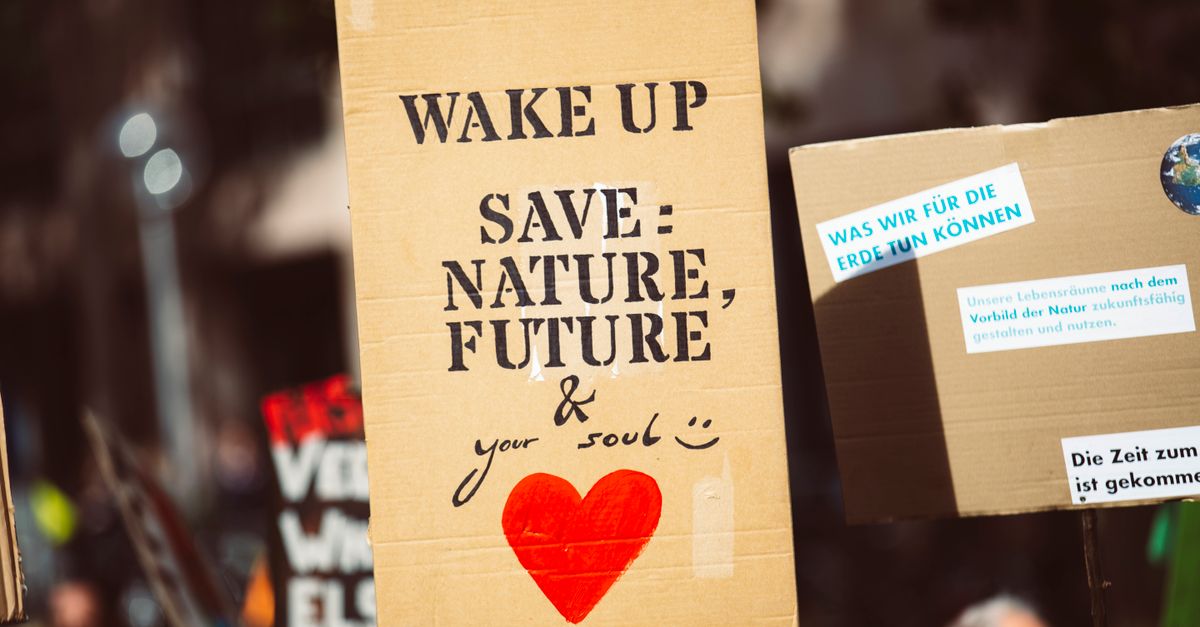
In today’s competitive business landscape, organizations are recognizing the critical role of Corporate Social Responsibility (CSR) in shaping their brand’s reputation and influencing consumer behavior. CSR encompasses a company’s efforts to operate ethically, sustain the environment, give back to communities, and demonstrate accountability to various stakeholders. A core question confronting both academics and business leaders is: How does CSR influence customer loyalty?
The Mental Link: Confidence and Affective Impact
Customer loyalty extends far beyond mere repeat purchases; it is deeply rooted in emotional connections and trust. When organizations commit to socially responsible initiatives—such as reducing carbon footprints, supporting social causes, or promoting fair labor practices—they are signaling integrity and value alignment to their customer base. This emotional resonance cultivates trust, which psychological research identifies as a key antecedent to loyalty.
A study conducted by Nielsen, which surveyed over 30,000 consumers worldwide, revealed that more than 66% are prepared to spend extra on items from businesses committed to making a positive social and environmental difference. This readiness is rooted in the conviction that these companies align with their personal principles, thereby strengthening a feeling of connection and shared identity. Brands that effectively generate this sentiment—consider The Body Shop’s position against animal testing or Ben & Jerry’s support for social equity—frequently foster loyal supporters instead of just purchasers.
CSR as a Differentiator in Saturated Markets
Differentiation is pivotal in markets flooded with indistinguishable alternatives. Here, CSR acts as a defining standard. A company’s visible commitment to sustainability or charitable causes can tip the scales when a consumer is faced with comparable products. Unilever’s “Sustainable Living” brands, including Dove and Seventh Generation, grew 69% faster than the rest of the Unilever business in 2018, illustrating how CSR-oriented positioning drives preference and repeat patronage.
Brands adopting transparency in their responsible practices often experience enhanced credibility—another pillar of loyalty. For example, Patagonia’s Don’t Buy This Jacket campaign not only underlined environmental responsibility but also generated immense goodwill, transforming one-time buyers into loyal supporters.
Social Proof and Advocacy: The Ripple Effect
Modern shoppers often consult peer suggestions and digital feedback prior to finalizing their buying choices. Favorable word-of-mouth, significantly shaped by perceived corporate social responsibility efforts, dramatically expands a brand’s influence. Starbucks, for example, incorporates fair trade sourcing and diversity programs, crafting stories that patrons eagerly disseminate across various platforms.
Additionally, customers proud of their affiliation with responsible brands often become voluntary advocates. This dynamic is especially visible among millennials and Generation Z, who leverage social media platforms to broadcast their values-driven consumption choices. The ripple effect amplifies the organization’s reputation, fostering a virtuous circle of loyalty and advocacy.
Risk Mitigation: The Importance of Authenticity and Consistency
It is crucial, however, that CSR initiatives are authentic and consistently communicated. Accusations of greenwashing—where a company exaggerates environmental claims—can erode trust swiftly and irreparably damage loyalty. Volkswagen’s emissions scandal illustrates the backlash when actual practices conflict with projected values. Conversely, brands implementing measurable and transparent CSR strategies, substantiated by third-party audits or verified through reputable organizations, experience sustained loyalty gains.
Case Studies: Enduring Influence Across Diverse Sectors
Examining diverse sectors reveals the far-reaching influence of CSR on customer loyalty:
– Outdoor apparel manufacturer Patagonia incorporates environmental activism into its core business. By dedicating a percentage of profits to environmental causes and fostering a culture of stewardship, Patagonia has built a fiercely loyal customer base willing to pay premium prices and engage in product recycling initiatives.
– TOMS Shoes popularized the One for One model—donating a pair of shoes for every pair sold. This approach not only differentiated TOMS in the footwear market but led to a 700% sales increase in four years, highlighting how purpose-driven operations translate into measurable loyalty.
– Microsoft’s efforts toward global accessibility, digital education programs, and sustainable data centers have fortified its reputation among both consumers and enterprise clients, fostering trust that results in contract renewals, positive referrals, and enduring customer relationships.
Enhancing Client Connections: Actionable Insights for Business Executives
For companies aiming to utilize corporate social responsibility as a means to foster customer loyalty, it is crucial that their actions resonate with the values held by their clientele. This entails embedding CSR within their fundamental business processes, ensuring clear and open communication, and proactively soliciting feedback from stakeholders regarding their social programs. Furthermore, monitoring the effectiveness of CSR endeavors—through methods such as customer satisfaction questionnaires, brand perception analysis, or the Net Promoter Score (NPS)—assists in refining their approach and nurturing enduring positive connections with customers.
The relationship between CSR and customer loyalty is neither simplistic nor automatic. It emerges from authentic engagement, clear communication, and demonstrable outcomes. In an era where consumers are increasingly discerning, organizations that embed social responsibility into the fabric of their business are rewarded not only with transactional loyalty but with profound, lasting advocacy, setting the stage for sustainable growth and market differentiation.