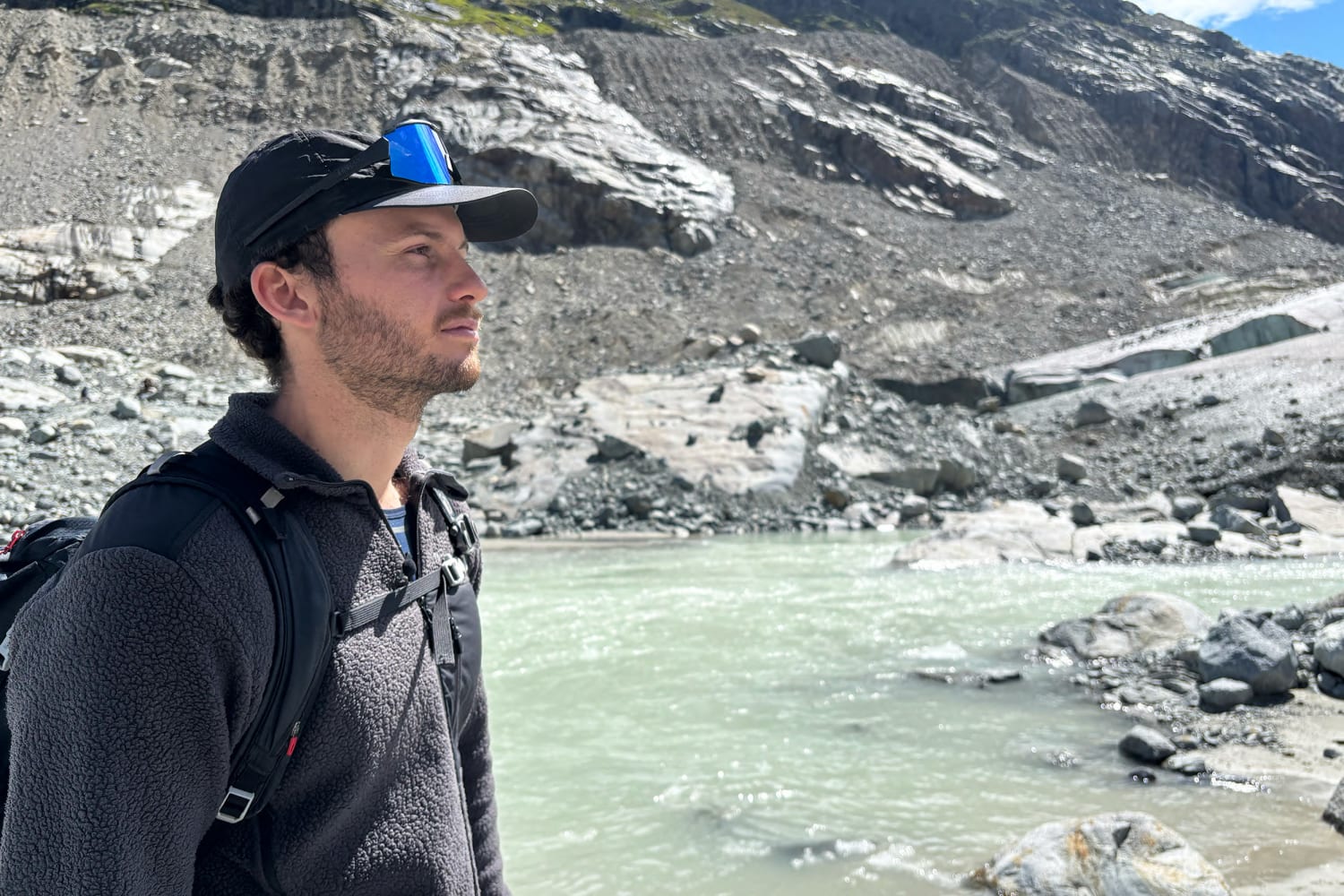
Melting glaciers throughout Europe are providing undeniable signs of climate change. The swift reduction of these significant ice structures clearly illustrates the tangible impacts of global warming. From the Swiss Alps to the fjords of Norway, these old ice reserves are diminishing rapidly, changing landscapes and disturbing ecosystems while also posing risks to water resources for countless individuals. Scientists and field researchers are recording these transformations, offering undeniable data that highlights the urgency of addressing the climate crisis. The evidence is widespread: freshly exposed rock surfaces, larger glacial lakes, and significant changes in the hydrology of complete regions.
The consequences of this rapid glacial melt extend far beyond the aesthetic loss of majestic icescapes. Glaciers are critical components of the world’s water cycle, acting as natural reservoirs that store water in the winter and release it gradually throughout the drier summer months. This consistent supply is vital for agriculture, hydroelectric power generation, and drinking water for communities located downstream. As the glaciers shrink, this reliable water source becomes increasingly precarious. The initial surge of meltwater can lead to flooding and instability, while the long-term trend points towards water scarcity. This impending water crisis poses a significant threat to economic stability and food security, particularly in southern Europe, where many rivers are fed by Alpine glaciers. The impact on biodiversity is also profound, as species adapted to cold, glacial environments are losing their habitats.
Specialists employ a range of techniques to observe the retreat of glaciers, which include satellite photographs, aerial images, and field surveys. The information consistently reveals a growing pattern of ice depletion. In numerous situations, glaciers that have endured for millennia are now predicted to vanish within several decades. This swift breakdown is not a natural recurring phenomenon; it is directly associated with the extraordinary increase in global temperatures caused by human actions. The glaciers themselves serve as an archive of climate history, with ice cores displaying previous atmospheric conditions. The ongoing rate of melting is well beyond the scope of historical variations, validating that we are experiencing a new and perilous climatic period. The observable transformations on the landscape act as a compelling educational resource, turning the abstract notion of climate change into a tangible reality for any observer.
The social and cultural implications are also significant. Glaciers hold a special place in the identity of many European communities, intertwined with local traditions, tourism, and a sense of natural heritage. The loss of these ice formations is more than just an environmental problem; it is an emotional and cultural one. Ski resorts are struggling with shorter seasons and less predictable snowfall, impacting local economies that depend on winter tourism. Mountaineers and climbers are facing new dangers as the melting ice and permafrost make mountainsides unstable, increasing the risk of rockfalls and landslides. These changes are forcing communities to adapt and reconsider their long-held relationships with the natural environment. The visual evidence of the melting glaciers is a constant and sobering reminder of the need for immediate and decisive action.
Moreover, the melting of glaciers plays a role in the global increase in sea levels. Although the water volume from glaciers in Europe might seem insignificant on a worldwide scale, it has a cumulative impact. Each contribution of meltwater escalates the overall rise, posing a significant threat to coastal areas around the globe. Cities at low altitudes and island countries face heightened risks from more frequent and severe storm surges and coastal flooding. The global climate system’s interconnected nature implies that an issue in one area, such as the European Alps, triggers ripple effects felt worldwide. This underscores the shared obligation of all countries to tackle the fundamental causes of climate change, particularly the curbing of greenhouse gas emissions.
The indications of climate threats in Europe’s glaciers emphasize the necessity for immediate measures. They strongly argue for hastening the shift towards renewable energy, adopting more sustainable practices in land management, and encouraging global collaboration on climate strategies. Scientists are unified in their message: the opportunity for effective action is diminishing. The relentless melting of these glaciers will amplify the situation, as the exposed, darker ground absorbs additional heat, further speeding up the warming process. This destructive cycle, identified as the albedo effect, illustrates how minor changes can lead to significant, more disastrous transformations in the climate system. The visual and scientific data from the retreating ice across Europe provides an essential insight, underscoring the pressing requirement for a comprehensive and collective effort worldwide.
The narrative of Europe’s melting glaciers is not one of impending doom, but rather one of clear, present danger that can still be mitigated. It is a story told in the groans of shifting ice and the gush of new streams. It is a story of a planet under stress, and of a human population at a critical crossroads. The future of these magnificent natural wonders, and the millions of people who depend on them, hangs in the balance. The evidence is undeniable, and it is a powerful catalyst for change. The glaciers are sending a message, loud and clear, and it is up to us to listen and act. The time for debate has passed; the time for action is now.