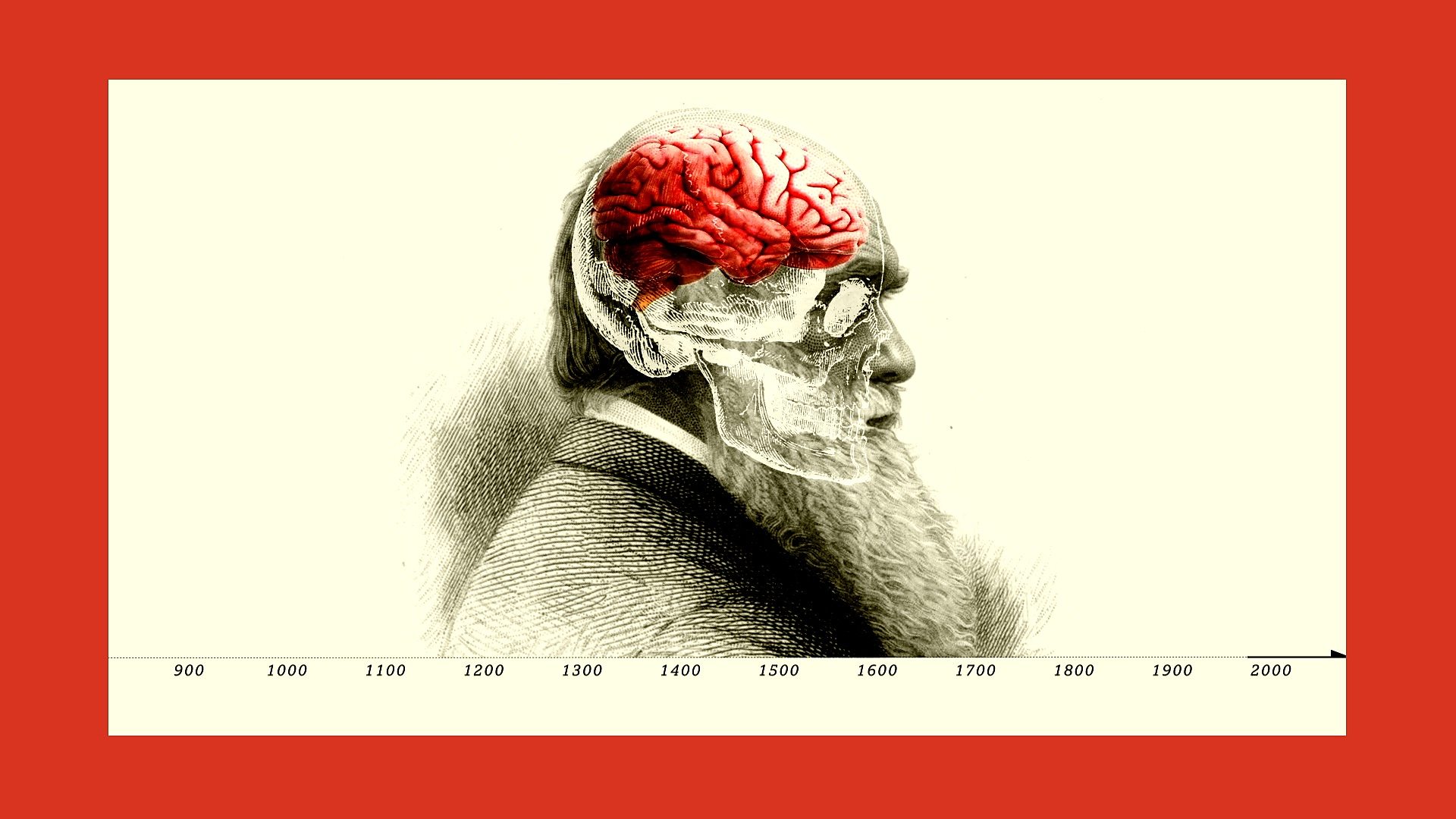
The human body is not merely a carrier for countless bacteria and viruses, but is also abundant with fungi. Though typically linked to conditions such as athlete’s foot or yeast infections, these tiny organisms are, in reality, a normal and frequently unnoticed component of the body’s internal environment. Recent scientific advancements propose that these fungal inhabitants might not only coexist with us but could also be quietly affecting the way our brains operate.
Fungi, like bacteria, are an essential part of the human microbiome. Found on the skin, in the mouth, throughout the digestive system, and even in the lungs, these organisms form a dynamic and diverse fungal community known as the mycobiome. Although much less studied than the bacterial microbiome, the mycobiome is beginning to draw greater interest from scientists seeking to understand its role in human health.
What’s especially fascinating is the chance that fungi could be engaging with the brain in previously unthought-of manners. This notion arises from a wider comprehension of the “gut-brain axis,” an established idea that explains the intricate dialogue between the digestive system and the central nervous system. Although bacteria have traditionally been viewed as central figures in this connection, some scientists are now focusing on fungi, exploring if they also might be influencing thoughts, mood, and cognitive health.
The hypothesis rests on several observations. First, fungi have been found in the gut alongside bacteria and viruses, and their balance—or imbalance—has been linked to inflammatory conditions. Chronic inflammation, in turn, has been associated with several neurological disorders, including depression and anxiety. Second, fungal metabolites—chemicals produced as fungi break down substances—might influence the production of neurotransmitters or interact with immune cells in the brain, potentially altering mental states.
Recent studies in both animals and humans have started to uncover correlations between fungal populations and changes in brain activity. For example, variations in gut fungi have been observed in people with neurological conditions such as multiple sclerosis and schizophrenia. While these findings are still in the early stages and do not yet establish a direct cause-and-effect relationship, they open a new frontier for understanding how deeply interconnected the body’s systems may be.
It’s also worth noting that fungi possess unique properties that set them apart from bacteria. Their ability to shift between different forms—such as yeast and filamentous structures—can affect how they interact with the immune system. This flexibility may enable them to evade immune detection or trigger stronger responses, depending on their environment. Given the immune system’s close ties to brain health, these interactions could prove significant.
Another topic of fascination is the possibility of fungi crossing the blood-brain barrier, which is the defensive layer that usually blocks dangerous substances from entering the brain. Although it remains a debated issue, there is some evidence indicating that fungal elements have been found in the brains of people with neurodegenerative disorders. If validated, this may imply a more direct effect of fungi on brain tissue than was formerly thought.
Even when direct contact is not present, the body’s immune reaction caused by fungi in other areas can transmit inflammatory signals to the brain. Gradually, this continuous low-grade inflammation may influence neural pathways, potentially leading to cognitive deterioration or mood issues.
Understanding the role of fungi in brain function could also lead to new approaches in medicine. If specific fungal profiles are associated with mental health conditions, future therapies might include antifungal treatments, targeted probiotics, or dietary changes designed to modulate fungal growth. However, the field remains in its infancy, and many questions still need answers.
For now, researchers are calling for more comprehensive studies that include fungi in microbiome analyses. While bacteria have dominated the spotlight, a fuller picture of human health may require looking beyond bacteria alone. Integrating fungal data could help explain gaps in current knowledge about diseases that have remained stubbornly difficult to treat or understand.
It’s important to remember that fungi are not inherently harmful. Many live peacefully within us and may play beneficial roles in digestion, immune defense, and nutrient production. The key lies in maintaining a balanced microbial environment, where neither fungi nor bacteria grow unchecked.
The concept that these unseen life forms could affect our emotions, thoughts, or actions might seem unexpected, but it corresponds with an increasing understanding of the intricate systems within the human body. Instead of merely being bystanders, fungi could be significant contributors to our physical—and potentially mental—health.
As investigations advance, researchers aim to unravel the complex network of connections between microbes, the immune system, and the brain. By doing this, they might uncover new dimensions of human identity—dimensions that encompass not only our cells and organs but also the extensive, unseen community of organisms residing within us.
Whether fungi act as quiet influencers of the mind or just as a component of a broader microbial ensemble, their importance in the body is becoming more recognized. As scientific research delves deeper into this fungal realm, it is possible that uncovering the mysteries of mental health will necessitate not only examining the brain but also exploring the microbial sphere that contributes to its formation.