The Revolutionary Impact of Demna Gvasalia on Contemporary Fashion Trends
Demna Gvasalia, currently the creative director of Balenciaga and formerly the co-founder and lead at Vetements, is undoubtedly one of the most influential fashion designers of the 21st century. His disruptive vision has redefined the parameters of luxury, streetwear, and the very notion of taste within the industry. This article delves deep into how Gvasalia’s iconoclastic approach has challenged and shaped current fashion trends across design, production, marketing, and consumer culture.
Embracing Streetwear as High Fashion
One of Demna Gvasalia’s most significant contributions is the elevation of streetwear to the realm of luxury fashion. Prior to his ascendancy, the boundary between luxury labels and street brands was sharply defined. Through Vetements’ debut collections and particularly under his leadership at Balenciaga, Gvasalia disrupted this divide by introducing hoodies, oversized outerwear, and logo-driven basics as centerpieces of high-fashion runways.
His 2016 Vetements ready-to-wear line famously subverted conventional tailoring with exaggerated silhouettes, distressed fabrics, and ironic graphics. This blurred the line between high and low fashion, making comfortwear and utilitarian aesthetics desirable among affluent clientele. Today, the pervasive presence of sneakers, casual wear, and logo-rich pieces in luxury collections can be directly traced to Gvasalia’s pioneering influence.
Redefining Luxury Branding and Irony
Gvasalia’s irony-driven vision of branding has profoundly altered the way luxury labels convey value. He integrated satire and self-reference into his creations, exemplified by Vetements launching items such as DHL-branded tees or “security” hoodies bearing high-end price tags. Such daring garments questioned the definitions of authenticity and prestige, fueling widespread discussions regarding the core of status within the fashion industry.
At Balenciaga, he pushed this vision further by mocking ordinary items—highlighting instances like the notorious Balenciaga “IKEA” shopping bag or the reinvented classic Crocs. These maneuvers have propelled a movement favoring self-conscious, occasionally ridiculous partnerships and transforming mundane practicality into high-status desire.
The Power of Silhouette and Proportion
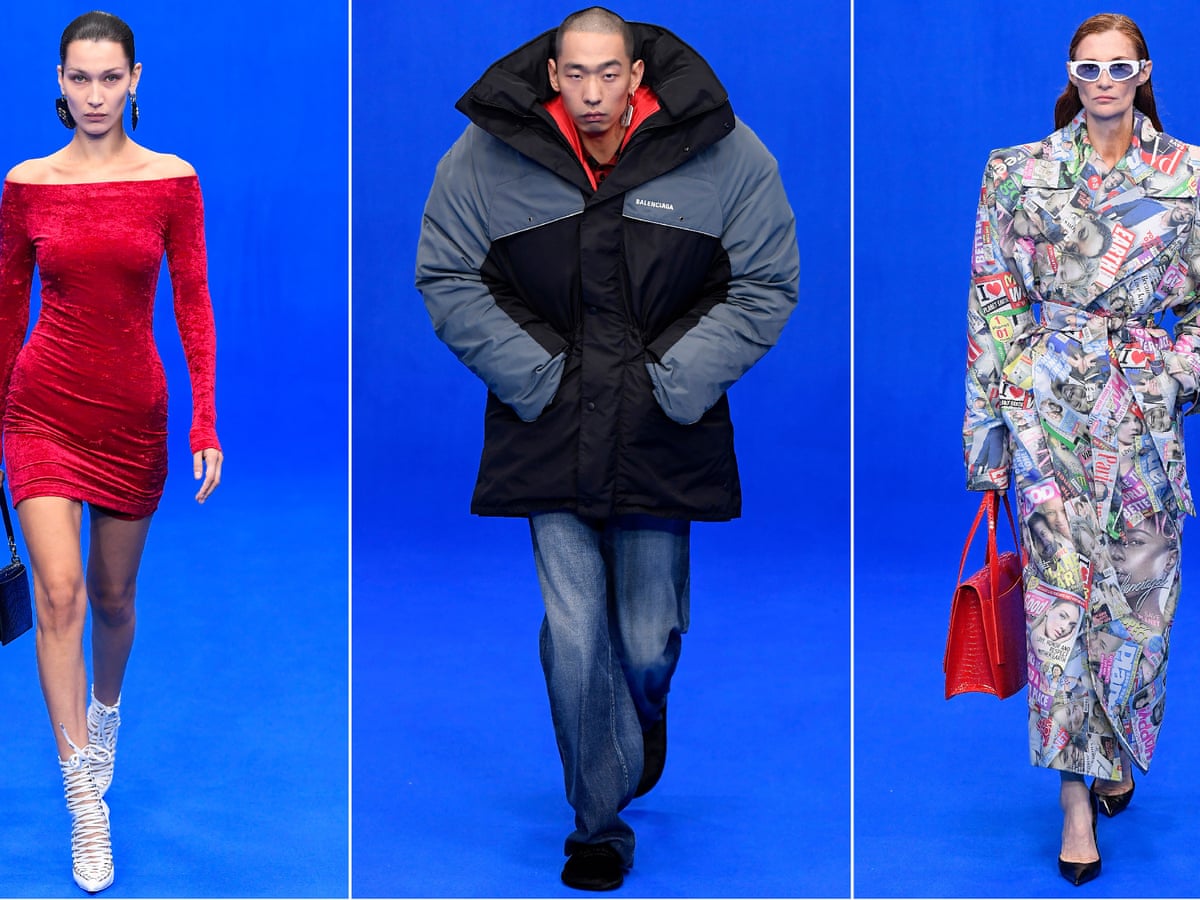
As a designer, Gvasalia is lauded for transforming the language of proportion and silhouette. His designs frequently feature broad-shouldered blazers, boxy coats, and dramatically oversized garments. These silhouettes challenge traditional ideas about gender, formality, and prettiness. The voluminous tailoring has trickled down from the runway to the mass market, encouraging fast fashion and contemporary brands alike to experiment with bold shapes previously reserved for avant-garde circles.
Numerous retail studies and post-runway analyses support this aesthetic shift. For instance, according to a 2021 report by Edited, retailer sales of oversized blazers and coats soared by over 70% globally year-on-year following Balenciaga’s 2020 collections. Designers across the spectrum—from emerging labels to established names—have adopted oversized fits, echoing Gvasalia’s trailblazing vision.
Disruptive Fashion Shows and Digital Influence
Gvasalia has reinvented the fashion show as a performance art form. His runways—a supermarket, political rally, or dystopian flooded chamber—transcend mere product presentation. The 2018 Balenciaga show, which immersed attendees in a CGI-driven digital tunnel, exemplifies his embrace of technology and multimedia storytelling.
Beyond physical set design, his swift integration into digital culture stands out. Throughout the pandemic, Balenciaga leveraged interactive video games and virtual reality showcases to pioneer fresh avenues for consumer engagement. Such keen foresight regarding immersive, digital-first narratives has established new benchmarks for how companies bridge physical and virtual environments within an ever-expanding online retail landscape.
Sustainable Practices and Critique of Consumerism
While Gvasalia’s creations are defined by commercial appeal, he concurrently satirizes consumerist society. Numerous collections are deliberately provocative—featuring repurposed garments, upcycled vintage pieces, or blatant nods to thrift and second-hand retail. He highlights concerns regarding sustainability and waste within the fashion realm, acting as both a critic and a participant in the sector’s contradictions.
Balenciaga’s integration of recycled materials, alongside collections themed around climate disaster and digital dystopia, signals to both industry insiders and consumers the imperative to reconsider consumption patterns. His influence has encouraged other luxury brands to embrace more open conversations—and tangible action—regarding sustainability.
Recontextualizing Social Commentary
Gvasalia’s collections remain culturally attuned, weaving in observations concerning politics, society, and the very mechanics of the fashion industry. The subversive deployment of uniforms—ranging from security personnel and postal employees to political activists—challenges established social norms and hierarchies. Industry insiders and critics frequently discuss whether this signifies genuine political engagement, astute commercial calculation, or a postmodern dissolution of significance. Regardless, this methodology has profoundly influenced fashion’s cultural footprint, granting creators the license to function within the sphere of social critique.
Consumer Perception and Market Dynamics
Finally, Gvasalia has altered consumer psychology within luxury markets. His willingness to confront and even alienate traditional luxury shoppers has redefined what it means to be aspirational. Limited releases, seasonal drops, and viral marketing stunts have intensified FOMO-driven purchasing, echoing the strategies of streetwear but at an elite level. These tactics have contributed to a more dynamic, unpredictable market, demanding agility from both brands and retailers.
Demna Gvasalia’s legacy is one of radical transformation. He has rendered streetwear high, made irony lucrative, and blurred the limits of taste and tradition. The reverberations of his vision reach designers, retailers, and consumers alike, redefining how fashion is conceived, produced, and consumed across the globe. His complex, often controversial, approach challenges the industry to evolve with both self-awareness and bold experimentation, marking a new epoch in the narrative of contemporary style.