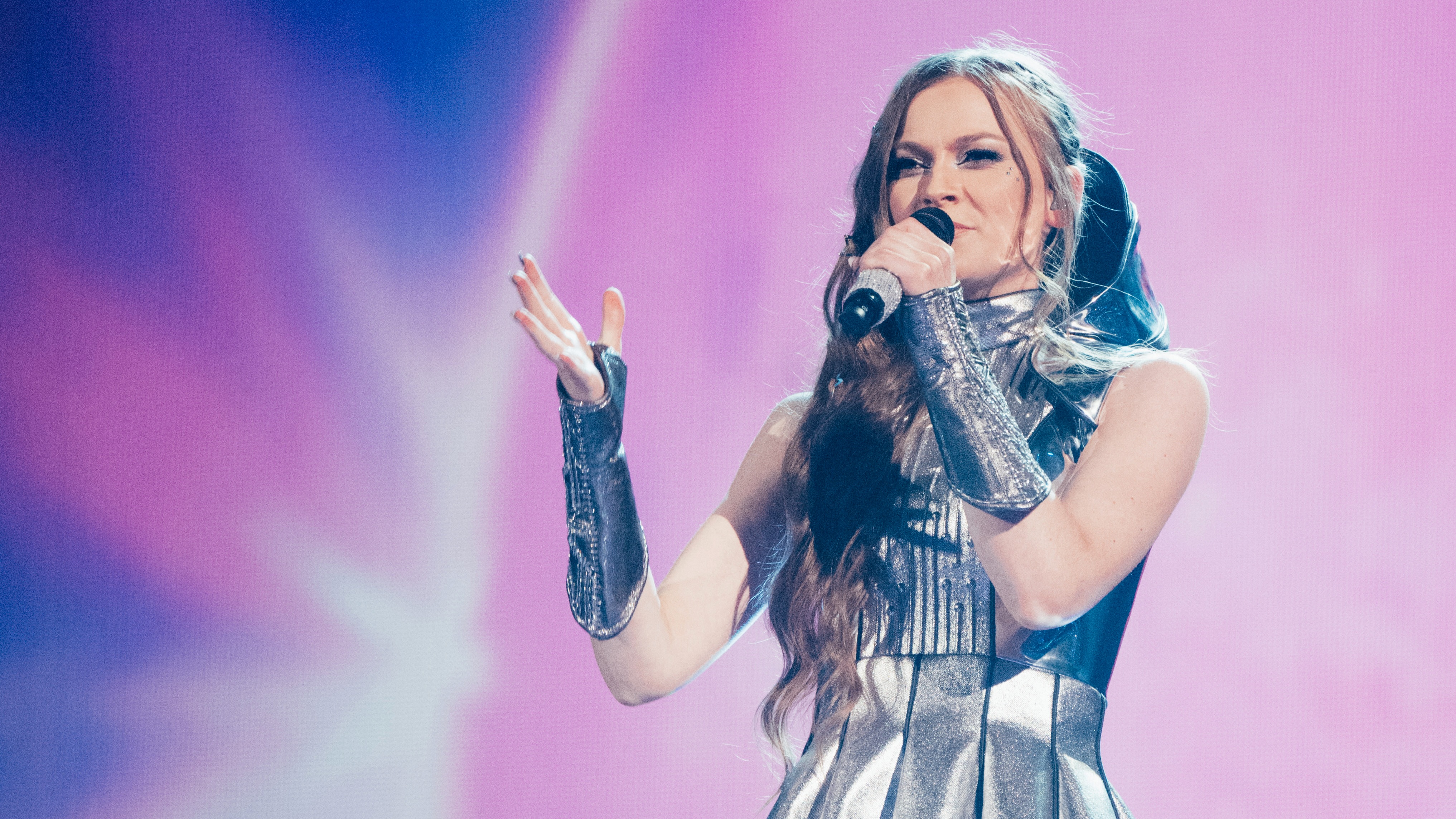
The Eurovision Song Contest, known for celebrating music, culture, and international camaraderie, is facing an unprecedented dispute this year. Ireland’s potential withdrawal over Israel’s participation has sparked widespread debate among fans, politicians, and cultural commentators. This conflict reflects the increasingly complex intersection of politics and entertainment, where geopolitical disagreements can influence even widely celebrated cultural events. While Eurovision has traditionally sought to maintain neutrality and foster unity through music, the Irish announcement signals how international tensions can disrupt the spirit of such global celebrations.
Political factors in a cultural gathering
Ireland’s announcement about Eurovision occurs in the context of enduring political struggles in the Middle East. Representatives from the Irish team have mentioned moral issues and current disputes as factors for re-evaluating involvement if Israel is a participant. This position has sparked conversations throughout Europe on whether cultural events such as Eurovision can stay detached from political conversations or if they unavoidably mirror wider global matters.
Historically, Eurovision has navigated political sensitivities cautiously, with participants and organizers attempting to focus on music rather than political statements. Nevertheless, the contest has experienced controversies before, from voting disputes to boycotts, proving that the line between cultural celebration and political expression is often blurred. Ireland’s threat adds another layer of complexity, as it raises questions about the responsibilities of nations in balancing ethical considerations with cultural engagement.
The stance of Ireland highlights the significant impact of popular sentiment and activist organizations. Influence from the public and advocacy groups has frequently guided national choices about global events, illustrating that taking part in Eurovision extends beyond merely displaying musical abilities—it can also represent a nation’s ethical and political viewpoint.
Reactions from Israel and the international community
Israel’s participation in Eurovision has historically been a source of both excitement and tension. The country has produced multiple winners and memorable performances, yet its political situation has occasionally drawn criticism from other nations. The Irish threat to withdraw has elicited varied responses: some commentators emphasize the importance of separating politics from entertainment, while others argue that boycotts are a legitimate form of protest in response to ongoing conflicts.
European broadcasters and organizers of the Eurovision contest are currently dealing with the issue of finding a resolution. The European Broadcasting Union (EBU), responsible for the competition, has consistently supported the idea that Eurovision should be free from political influence. However, as highlighted by Ireland’s warning, ensuring impartiality can be complex, particularly when public opinions and governmental stances conflict with the event’s management choices.
The international reaction also highlights the balancing act countries must perform between diplomatic considerations and cultural diplomacy. Ireland’s stance could influence other nations with similar concerns, potentially encouraging a wave of ethical scrutiny or even additional withdrawal threats. Conversely, some countries view participation as a platform to promote peace and dialogue, reinforcing the idea that Eurovision can serve as a bridge rather than a battleground.
Effects on Eurovision and worldwide view
If Ireland decided to carry out its warning, it might have major impacts on Eurovision’s reputation and audience. The exit of a long-term participant could establish a model for upcoming political issues to influence the contest, possibly weakening its fundamental goal of bringing countries together with music. Furthermore, the public’s view of Eurovision as an entirely festive and neutral event could be questioned, changing its portrayal in the worldwide media.
Media outlets across Europe and beyond have already begun analyzing the potential outcomes, from logistical complications to fan reactions. Eurovision enthusiasts, who have traditionally celebrated the contest’s diversity and creativity, may find themselves debating geopolitical ethics alongside the usual excitement over performances, costumes, and voting strategies. The intersection of politics and entertainment is becoming increasingly pronounced, signaling that future editions of Eurovision might need to address political sensitivities more directly.
Moreover, the situation underscores a broader trend in cultural diplomacy, where entertainment platforms are increasingly seen as arenas for political expression and influence. While music has the power to unite, it can also amplify divisions when underlying conflicts are unresolved. Ireland’s statement highlights the delicate balance organizers and participants must navigate to ensure that the competition remains inclusive, engaging, and respectful of differing international perspectives.
The prospect of Eurovision under political tension
As tensions mount, the upcoming Eurovision Song Contest will serve as a test case for how cultural events handle political friction. The EBU and participating countries will need to consider strategies for fostering dialogue, addressing ethical concerns, and maintaining the celebration of music as a unifying force. Ireland’s potential withdrawal is a reminder that cultural diplomacy is not immune to global politics, and that organizers must remain adaptable in the face of complex geopolitical realities.
The controversy illustrates that Eurovision, while ostensibly a celebration of music and creativity, functions within a broader social and political context. The decisions of individual countries—whether to participate, protest, or withdraw—reflect both domestic values and international perceptions. How Ireland, Israel, and the broader European community navigate this situation could influence future contests and the way audiences perceive the relationship between music and politics on a global scale.
The possibility of Ireland pulling out of Eurovision due to Israel’s involvement goes beyond being just news—it emphasizes the changing nature of global cultural gatherings in an increasingly politicized environment. This situation reveals that music contests are now intertwined with worldwide issues, highlighting the persistent struggle to uphold impartiality, inclusivity, and cultural participation amid geopolitical strife. Eurovision’s capacity to evolve and stay a symbol of solidarity will be challenged, providing valuable perspectives on the future of international entertainment and collaboration through music.