

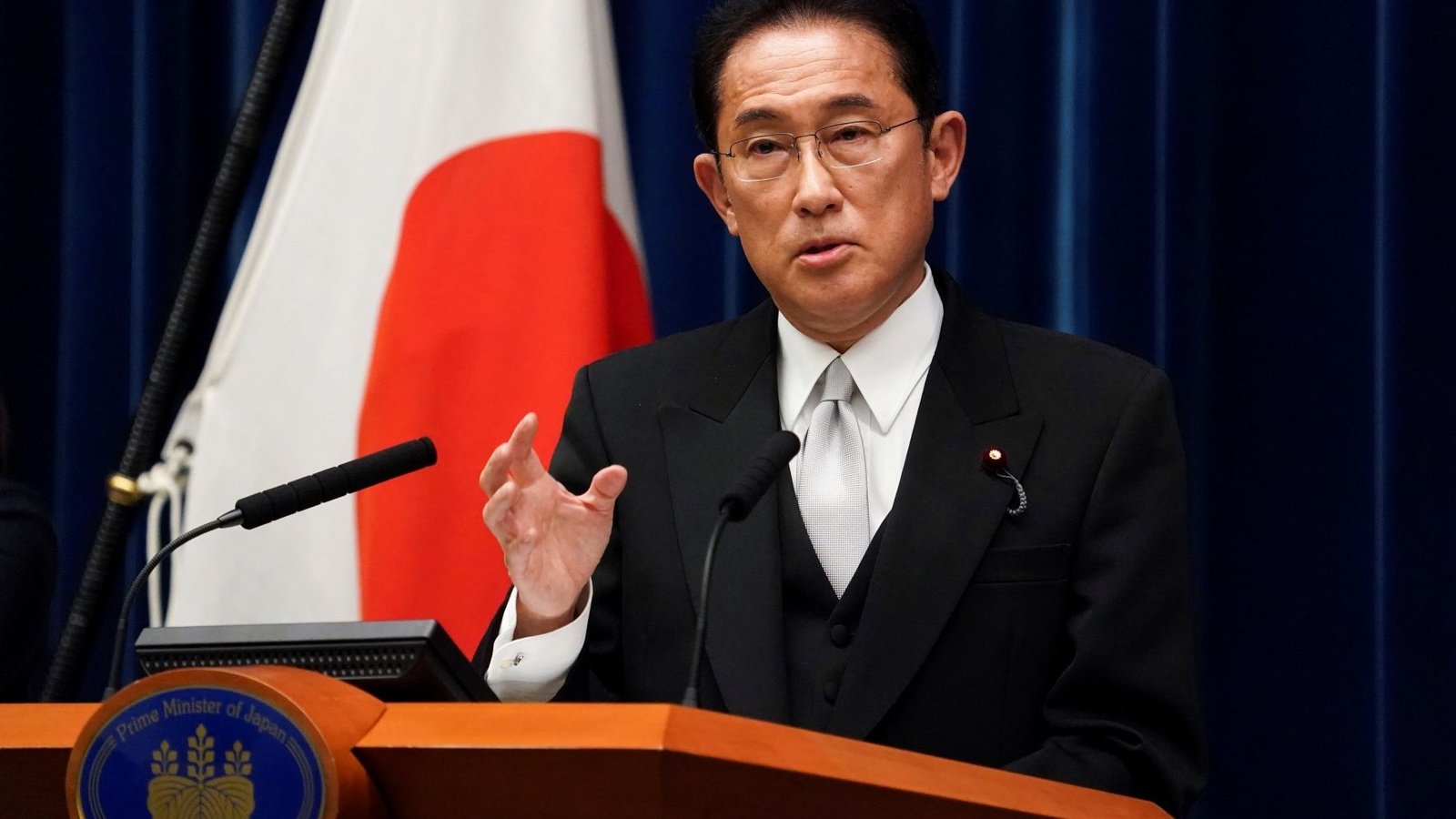
Japan’s first female prime minister, Sanae Takaichi, faces a diplomatic storm as tensions between Tokyo and Beijing flare over Taiwan. What began as a cautious exchange of handshakes has quickly escalated into one of the sharpest confrontations between the two Asian powers in years.
Rising tensions between Tokyo and Beijing
Barely a month into her term, Japanese Prime Minister Sanae Takaichi finds herself at the center of a major international dispute. Only days after meeting Chinese President Xi Jinping, relations between Japan and China have deteriorated dramatically, fueled by harsh rhetoric and nationalist fervor. The immediate cause of the rift stems from Takaichi’s comments regarding Taiwan, which Beijing regards as a core national interest and an inseparable part of its territory.
During a legislative assembly on November 7, Takaichi declared that any potential Chinese aggression against Taiwan—situated a brief distance from Japanese territory—would be regarded as “a situation jeopardizing Japan’s existence.” Her remarks indicated that such an occurrence might trigger a defensive military reaction from Tokyo. This change represented a significant deviation from earlier Japanese governments, which had historically refrained from suggesting direct military participation in Taiwan’s protection.
Beijing responded with outrage, condemning Takaichi’s comments as a serious intrusion into China’s domestic matters. The reaction extended beyond mere diplomatic declarations. Xue Jian, China’s consul general in Osaka, posted on X (previously Twitter), stating, “The protruding dirty neck must be severed.” Tokyo criticized the swiftly removed post as “utterly unsuitable,” while Taiwan characterized it as an overt menace.
China’s Foreign Ministry defended Xue, asserting that his comments reflected a reaction to Japan’s “dangerous and erroneous” statements. Officials accused Tokyo of undermining China’s sovereignty and warned that the issue of Taiwan remains a non-negotiable red line.
The reverberations of “wolf warrior” diplomacy
The incident has brought back recollections of China’s “wolf warrior” diplomacy, an assertive foreign policy approach that rose to prominence in the early 2020s. During that period, Chinese diplomats frequently utilized social media platforms to directly challenge detractors, occasionally employing provocative language. While Beijing had recently attempted to moderate this strategy to restore confidence with Western countries, the current dispute suggests a potential reversion to that confrontational stance.
Within China, nationalist voices and state media outlets have amplified public outrage against Japan. The People’s Daily, the Communist Party’s flagship newspaper, described Takaichi as “reckless” and warned that “crossing the line on Taiwan will come with a price.” An account associated with China’s state broadcaster mocked her, asking, “Has her head been kicked by a donkey?” Meanwhile, Hu Xijin, a prominent commentator and former editor of the Global Times, escalated the rhetoric further, writing that China’s “battle blade for beheading invaders has been sharpened” and suggesting Japan would face destruction if it intervened in the Taiwan Strait.
Takaichi has subsequently attempted to minimize the incident, explaining that her remarks were theoretical and not meant as a policy announcement. Nevertheless, her standing continues to be uncertain. Japan relies significantly on China, its primary trading partner, despite growing apprehension regarding Beijing’s military buildup in the East and South China Seas. Reconciling national security interests with economic reliance has emerged as one of Takaichi’s most formidable obstacles.
A nuanced diplomatic equilibrium
Takaichi’s methodology mirrors her enduring conservative perspective on national security. As a protégé of the late former Prime Minister Shinzo Abe, she has championed a more robust military stance and enhanced collaboration with the United States and its regional partners. Initial declarations from her administration concerning Taiwan, alongside her engagement with the island’s delegates at the Asia-Pacific Economic Cooperation (APEC) summit, indicated a sustained progression in Japan’s move towards a more confident foreign policy.
During her meeting with Xi Jinping in South Korea in late October, Takaichi emphasized the importance of a “strategic, mutually beneficial relationship.” However, she also raised concerns about China’s military maneuvers near disputed islands in the East China Sea—territory claimed by both nations. That discussion, though seemingly cordial at the time, foreshadowed the deeper friction now unfolding.
The current diplomatic clash comes at a particularly sensitive moment. This year marks the 80th anniversary of the end of World War II—a conflict that continues to shape Chinese and Japanese national identities. Beijing commemorated the event with a massive military parade, showcasing its armed forces and reaffirming its historical narrative of resistance against Japanese aggression.
In anticipation of the commemoration, Chinese authorities charged Japan with downplaying its wartime cruelties, concurrently, state-controlled media broadcast numerous films portraying the savagery of Japanese troops during the conflict, featuring reenactments of the Nanjing Massacre. The Japanese embassy in Beijing went so far as to recommend its nationals converse quietly in public, apprehensive of possible animosity amidst escalating nationalist sentiment.
History’s shadow over Taiwan
The historical animosity between the two nations extends beyond World War II, intertwining with the complex history of Taiwan itself. Once under Japanese colonial rule following its cession by Imperial China in the late 19th century, Taiwan remained a Japanese possession until Tokyo’s defeat in 1945. Afterward, China’s Nationalist government took control of the island, only to retreat there after losing the civil war to the Communists in 1949.
Since then, the Chinese Communist Party (CCP) has regarded Taiwan as a breakaway province destined for reunification. From Beijing’s perspective, the conclusion of World War II represented the island’s “liberation” from Japanese occupation—a narrative deeply ingrained in the nation’s political identity. Chinese officials often evoke this history to reinforce claims of sovereignty and justify their opposition to foreign involvement in the Taiwan issue.
When questioned about Takaichi’s statements, Chen Binhua, spokesperson for China’s Taiwan Affairs Office, referenced this shared past, asserting that Japan bears “historical responsibility” for its colonial rule over Taiwan. He declared that China had “restored” the island 80 years ago and warned that any attempt to obstruct reunification would be met with firm resistance.
The unpredictable journey forward
The ongoing diplomatic predicament underscores the persistent instability within East Asian geopolitics. Japan’s expanding security collaboration with the United States and its augmented defense expenditures have already attracted Beijing’s close attention. Presently, with Takaichi at the helm, Tokyo seems prepared to embrace a more assertive position on regional security matters, especially concerning the stability of Taiwan.
For China, this matter goes beyond simple diplomacy; it delves into the core of national identity and sovereign rights. Consequently, even the mere hypothetical mention of Japanese military participation in Taiwan is viewed as an outright act of provocation.
While both governments may ultimately seek to de-escalate tensions, the incident underscores how fragile the balance remains between two of Asia’s most powerful nations. Each misstep risks reigniting old hostilities that never fully faded with time.
In this climate of suspicion and lingering historical grievances, each utterance holds significant importance. For Takaichi, who has only recently assumed her position, the task involves steering Japan’s course between strategies of deterrence and diplomatic engagement—upholding peace while resolutely defending national interests. Her ability to strike this equilibrium without exacerbating tensions with China will probably determine not only her effectiveness as a leader but also the future direction of East Asian affairs in the upcoming period.