
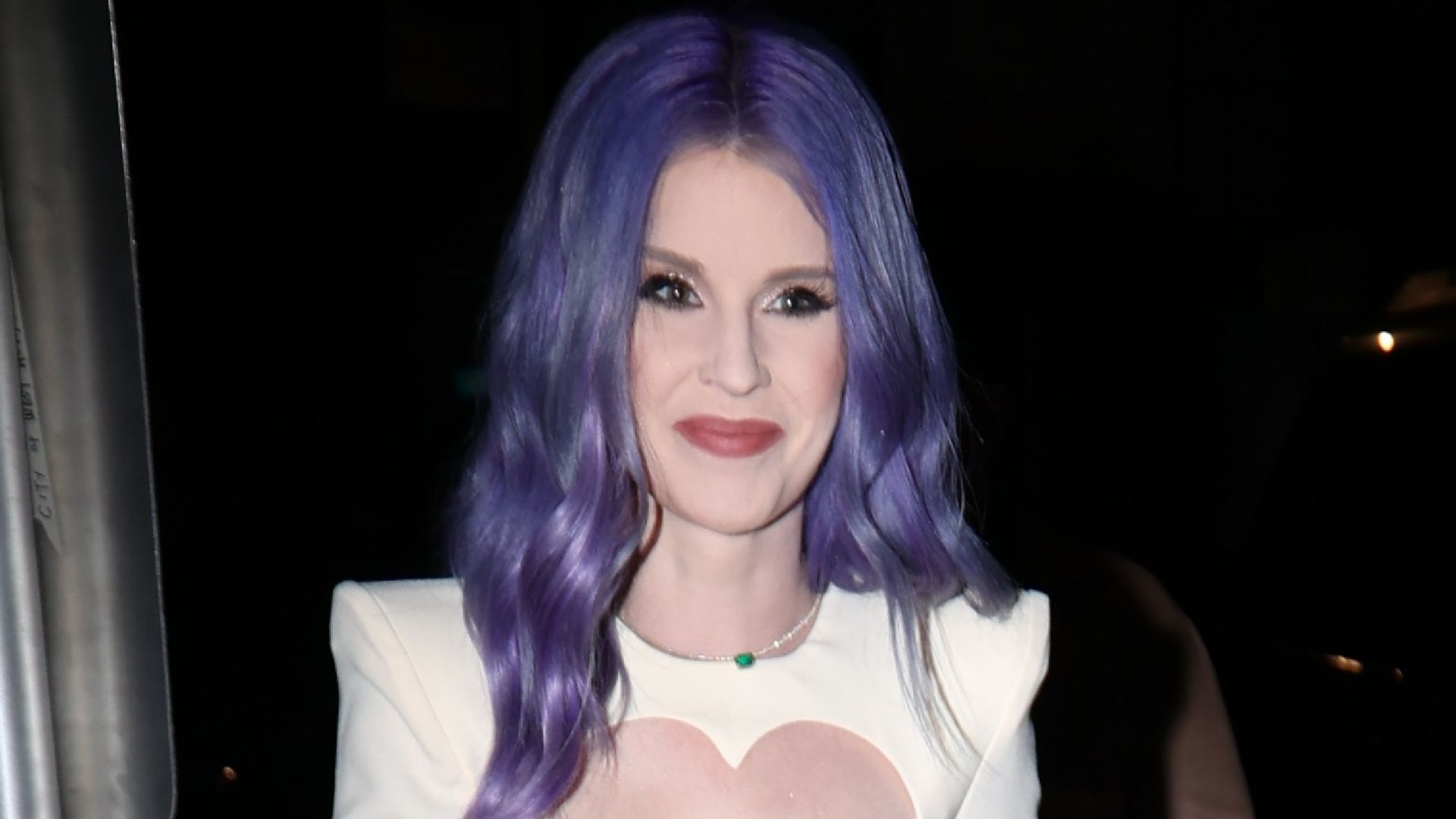
In the midst of profound personal loss, Kelly Osbourne has addressed a wave of remarks about her physical appearance, urging the public to show empathy during a moment of deep emotional transition. Her message reflects both her grief and her desire to protect her family’s privacy.
Kelly Osbourne has been addressing a wave of public discussion about her recent physical change, a subject that has been extensively shared online in recent months. Although she has been a fixture in the entertainment industry for years, Osbourne’s irritation has increased as numerous comments have transitioned from mere observations to intrusive conjecture. What could typically be ignored as standard celebrity commentary has acquired a much more delicate nature, considering she is going through a mourning period after the passing of her father, the iconic musician Ozzy Osbourne.
The conversation was reignited when Sharon Osbourne, Kelly’s mother, appeared on television to talk about the family’s emotional condition after the death of the Black Sabbath frontman. Ozzy Osbourne, an iconic figure in rock history and a well-known personality on reality TV, passed away in July at the age of 76 following a prolonged health battle. During the interview, host Piers Morgan mentioned a message that Kelly had recently posted on social media, expressing her fatigue with the continuous remarks about her body. Her words struck a chord with viewers and rapidly spread across digital platforms.
Public scrutiny during a time of loss
Kelly Osbourne’s message to her followers was notable for its straightforwardness and sincerity. In the video mentioned by Morgan, she addressed the discussions that have emerged about her looks—comments that have involved intrusive inquiries about her well-being and allegations concerning weight-loss drugs. She highlighted that her current priority is handling her sorrow and supporting her family, voicing her annoyance that some individuals appear determined to misread her feelings based on outward appearances.
Her message conveyed a sentiment often echoed by many public figures: being in the spotlight doesn’t negate the simple truth that grief, stress, and emotional turmoil impact individuals in deeply personal ways. For Osbourne, sharing uplifting or positive moments online is a deliberate choice intended to emphasize aspects of her life that provide solace during challenging times. However, she observed that even these efforts to share happiness have been met with a flood of remarks she finds insensitive.
Her words were emphatic, highlighting her fatigue with unsolicited judgments. Emotional transparency has long been a hallmark of the Osbourne family’s public presence, and Kelly’s tone reflected a desire to regain control over how strangers interpret her life.
Family perspective and ongoing challenges
During the broadcast discussion, Sharon Osbourne shared her personal insights on the situation, speaking from her perspective as both a mother and a widow. She resonated with Kelly’s worries, highlighting that grief frequently brings about physical symptoms, such as alterations in appetite and emotional stability. She clearly expressed that her daughter is grappling with the loss of her father and that these difficulties, rather than cosmetic reasons, have influenced the recent changes in her appearance.
Sharon also remarked on the wider issue of online criticism, emphasizing how quickly individuals turn to insults or assumptions when discussing public figures. She characterized this behavior as a defense mechanism for those who feel dissatisfied or insecure, pointing out that envy and preconceived notions frequently drive the most severe comments. For her, the public’s inclination to make quick judgments without grasping the context behind someone’s life acts as a reminder of the gap between digital commentary and real-world empathy.
The mother-daughter dynamic, long known for its candor and resilience, was evident in the exchange. Sharon’s support for Kelly underscored the family’s commitment to presenting a united front during a time of personal hardship. Her acknowledgement of the emotional toll of Ozzy’s death provided a fuller picture of the pressures the family continues to navigate.
The impact of digital culture on mourning and perception
The Osbourne family has been in the spotlight for decades, with their lives showcased on music stages, in interviews, and through reality TV. However, the recent discussions about Kelly Osbourne underscore a larger problem: the challenge of mourning while being scrutinized by social media users who are quick to judge based solely on looks. This situation mirrors the contemporary environment where personal challenges are exposed to millions, each capable of commenting immediately and frequently lacking empathy.
Kelly’s message reveals the emotional cost of this environment. Public figures are often expected to maintain a certain composure, even when facing profound loss, and deviations from those expectations frequently result in speculation. In Kelly’s case, her vulnerability has been met with a blend of support and criticism, illustrating the contradictions that characterize digital interactions.
The situation also raises questions about how society interprets physical appearance and emotional well-being. Changes in weight or demeanor are commonly read as indicators of deeper issues, even when no such connection exists. For Kelly, the combination of mourning and public attention has intensified this dynamic, creating added pressure during an already delicate time.
Her reply acts as a reminder of the significance of treating others—celebrity or otherwise—with empathy. Although social media offers a space for interaction, it can also heighten insensitivity, especially during times of mourning. Kelly’s choice to confront the remarks directly indicates her determination not to let assumptions shape her story.
An appeal for understanding during personal challenges
In addressing the criticism, Kelly Osbourne has shed light on the emotional challenges of navigating public scrutiny while coping with a profound loss. Her willingness to confront the issue directly demonstrates both strength and vulnerability, qualities that resonate with many who have experienced grief in less public settings. Her message, though pointed, highlights a simple request: that people recognize their words carry weight, especially when directed at someone who is grieving.
Sharon Osbourne’s reflections further reinforce the importance of compassion. Her acknowledgment of the family’s emotional state, combined with her defense of her daughter, underscores the personal reality behind the headlines. Together, their voices present a unified message about the impact of insensitive commentary and the value of understanding.
As the family continues to mourn the death of Ozzy Osbourne, the public’s response to Kelly’s message will likely remain a topic of discussion. The situation offers an opportunity to reflect on how society interacts with public figures and how grief is perceived in a culture dominated by instantaneous reactions and online judgments. Ultimately, Kelly’s words serve as a reminder that even those accustomed to fame and scrutiny are deserving of space, gentleness and respect during difficult times.