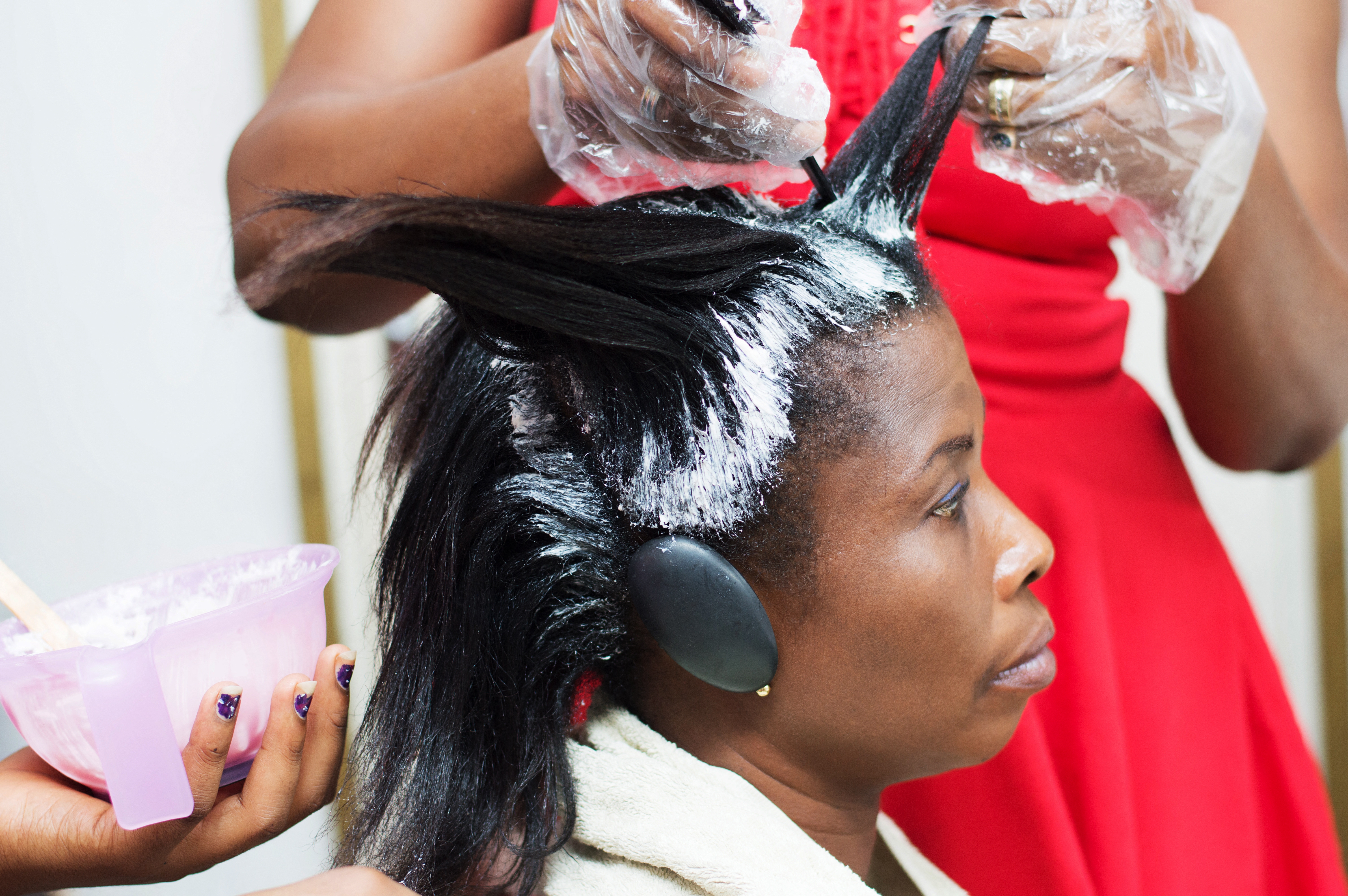
In recent months, increasing scrutiny has been directed toward certain hair care products commonly marketed to Black women, particularly those containing potentially cancer-causing chemicals. Federal lawmakers have begun taking formal steps to address these concerns, drawing attention to the potential health disparities fueled by a lack of regulation in the personal care industry.
This push comes in response to growing scientific evidence and mounting public concern. Studies have shown that many hair relaxers, straightening creams, and other widely used products may contain endocrine-disrupting chemicals or carcinogens. The concern is especially pressing given the disproportionate use of these products by Black women, who are often targeted by marketing campaigns promoting beauty standards linked to straighter hair.
Several members of Congress are now advocating for regulatory reforms and demanding further investigation into the health risks associated with prolonged use of certain hair care formulations. Their goal is twofold: to hold companies accountable for the safety of their ingredients and to better protect communities that are more likely to be exposed due to targeted advertising and long-standing beauty norms.
Unequal exposure and emerging data
Recent scientific studies have linked frequent use of chemical hair straighteners to an increased risk of hormone-related cancers, including uterine and breast cancer. While these associations are still under investigation, the research has raised enough alarm to prompt both medical professionals and legislators to call for immediate attention.
One study published by the National Institutes of Health (NIH) found that women who reported regular use of chemical straighteners were more than twice as likely to develop uterine cancer compared to those who did not. Importantly, the researchers noted that Black women are more likely to use such products from a younger age and with greater frequency, compounding their risk.
Although there is an increasing amount of research, numerous products continue to be available for purchase, frequently featuring labels that fail to clearly disclose important details about their chemical composition. Components like formaldehyde, parabens, phthalates, and other potentially harmful elements are present in a range of hair care products, from treatments for straightening to leave-in conditioners and styling gels.
Legislative measures are gaining momentum
In response, a group of lawmakers—led by members of the Congressional Black Caucus and health advocates—has introduced new legislation aimed at regulating the ingredients used in personal care products. One proposed bill calls for increased transparency in labeling, mandatory safety testing of ingredients, and greater oversight from the Food and Drug Administration (FDA).
These legislative efforts are being supported by a coalition of public health groups and environmental advocates who argue that the current regulatory framework is outdated and fails to account for racial and ethnic disparities in product usage and exposure levels.
Moreover, the FDA has initiated an examination of its existing regulations concerning cosmetics and personal care items, influenced partially by advocacy groups and research outcomes. Historically, the FDA has had restricted jurisdiction over cosmetics, unlike its control over food and drugs, but new legislation has provided the agency with increased power to address safety issues in the beauty sector.
Cultural standards and the politics of attractiveness
The push for reform is not just a matter of public health—it also intersects with broader discussions about race, identity, and the politics of appearance. For decades, Eurocentric beauty standards have influenced the marketing of hair care products, leading many Black women to adopt potentially harmful styling routines in pursuit of social or professional acceptance.
Legislators and supporters contend that these promotional tactics have caused a widespread problem whereby Black women encounter greater exposure to harmful substances merely due to societal expectations to comply. They stress the importance of educational initiatives and local outreach efforts to inform about safer options and to question the beauty standards that perpetuate the demand for hazardous products.
Efforts to advocate for Black-owned brands that focus on safe, natural ingredients are also picking up speed. A number of these brands are established on the principle of championing healthy hair and celebrating natural textures, providing products without the dangerous chemicals present in many conventional alternatives.
Industry response and future implications
Several beauty companies and producers have initiated action in response to public demands by changing product formulations, enhancing labels, and removing disputed components. Nonetheless, advancements are inconsistent, and detractors claim that self-regulation is insufficient to guarantee safety and fairness throughout the sector.
Supporters emphasize that genuine transformation will necessitate thorough regulatory reforms, more rigorous implementation of ingredient guidelines, and financial support for additional studies on the prolonged health impacts of utilizing personal care products.
For consumers, the emerging conversation presents both a challenge and an opportunity—to reevaluate what is applied to the body, to question long-held assumptions about beauty, and to support companies that prioritize health over profit.
Mientras los legisladores federales siguen investigando soluciones legislativas, es evidente que la intersección entre raza, salud y seguridad del consumidor continuará estando en el foco de la conversación nacional. Las decisiones que se tomen en los próximos meses podrían redefinir no solo la manera en que se fabrican y comercializan los productos para el cabello, sino también cómo se protege la salud pública para las generaciones futuras.