

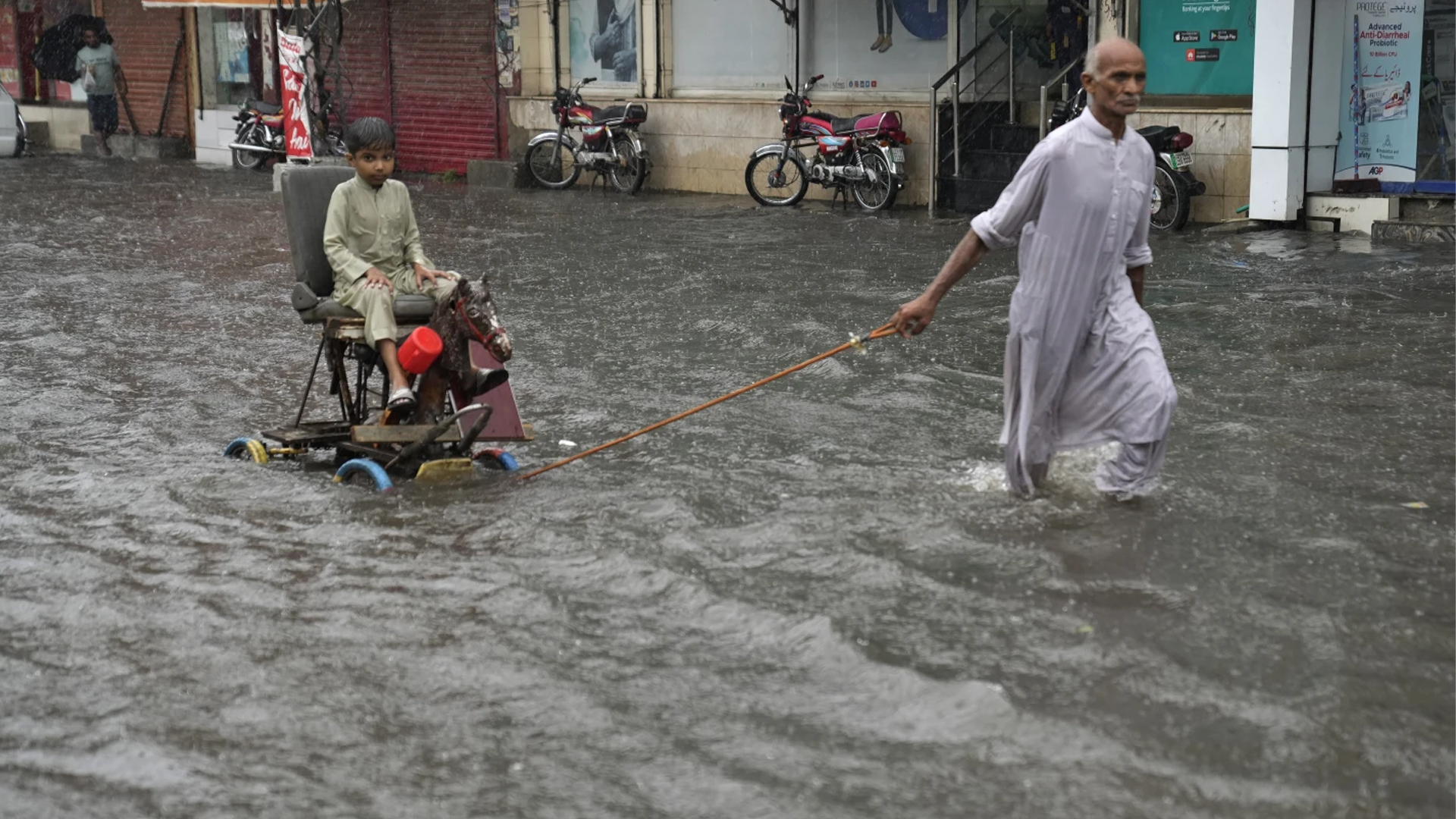
A tragic surge in fatalities has gripped Pakistan as relentless monsoon rains have led to the deaths of 63 individuals across the nation in just a single 24-hour period. This alarming toll underscores the severe impact of the ongoing monsoon season, which annually brings heavy rainfall but has, this year, unleashed a particularly devastating torrent, overwhelming infrastructure and endangering communities. The grim statistics highlight a rapidly escalating humanitarian crisis, prompting urgent calls for aid and comprehensive disaster response efforts.
The intensity of the latest storms has been unmatched in numerous areas, causing extensive sudden floods, landslides, and building failures. Susceptible communities, especially those living in low-altitude locations or flimsy structures, have suffered the worst impacts of these natural events. The rapid rise in fatalities reflects the unexpected and overpowering character of the calamity, providing minimal opportunity for inhabitants to flee or protect their properties. This swift increase in the number of victims points to a combination of heavy rainfall and inadequate readiness measures across different regions.
Government officials and rescue teams are struggling to handle the vast scope of the catastrophe. Relief efforts are in progress across various impacted zones, although reaching isolated and inaccessible areas is still a major hurdle. Roads are flooded, bridges have been destroyed, and communication systems are down, hindering the prompt distribution of supplies and medical support to those extremely in need. The primary aim is now on rescuing individuals who are stuck and supplying urgent aid to those who have been displaced, many of whom abruptly lost their homes and means of living.
The rainy season, usually ranging from July to September, is an essential time for Pakistan’s farming, as it refills crucial water supplies for irrigation and survival. Nonetheless, in the past few years, the strength and unpredictability of these downpours have increased, mainly due to the worsening impact of climate change. Although the monsoons are important for maintaining the nation’s ecological equilibrium and economic steadiness, the trend towards more extreme weather conditions poses a consistent and growing risk to human lives and structures. This year’s devastating 24-hour span is a clear indication of this changing weather pattern.
Reports from different regions depict a distressing scenario. In Khyber Pakhtunkhwa, the northwestern area, mountainous regions are notably prone to landslides, which have caused many casualties. Balochistan, the southwestern region, famous for its dry landscape, has also experienced intense flash floods, as its parched riverbeds quickly turn into powerful deluges. Punjab, the province with the largest population, has faced urban flooding, disrupting everyday activities and confining people to their homes. Sindh, situated in the south, continually contends with the threat of the Indus River reaching perilous levels, forcing the displacement of thousands.
The immediate aftermath of such widespread devastation includes not only loss of life but also significant damage to property, livestock, and crops. Homes, farmlands, and vital infrastructure such as power lines and water supply systems have been severely compromised. This destruction will have long-term repercussions on the affected communities, many of whom are already struggling with poverty and limited resources. The challenge extends beyond immediate rescue and relief to encompass the daunting task of rehabilitation and reconstruction, which will require substantial financial investment and coordinated efforts from both governmental and non-governmental organizations.
The swift escalation in the number of victims over a brief period also prompts inquiries into early alert systems and strategies for disaster readiness. Although Pakistan has advanced in handling disasters, the magnitude of this recent rainstorm seems to have surpassed current systems. The necessity for stronger, region-specific alert networks, improved evacuation strategies, and infrastructure that can withstand climate impacts is increasingly clear. Allocating resources for flood protection, upgrading drainage facilities, and informing communities about emergency procedures are vital measures to reduce potential damages.
Furthermore, the humanitarian implications extend beyond immediate safety. The displacement of thousands of people increases the risk of waterborne diseases, food insecurity, and a lack of access to essential medical care. Makeshift shelters and overcrowded relief camps can become breeding grounds for infections, particularly in areas where sanitation infrastructure is already fragile. Ensuring access to clean drinking water, adequate food supplies, and medical attention for the displaced populations is now a critical priority for aid agencies operating on the ground.
The global community is paying close attention to the circumstances, with expectations that appeals for worldwide aid will grow stronger as the extent of the destruction becomes evident. Pakistan, a nation that has traditionally faced an outsized share of the effects of climate change despite its small role in contributing to worldwide emissions, often depends on international aid in situations like these. The present disaster vividly highlights the interconnected nature of global climate systems and the collective duty to address their harmful impacts on nations at risk.
Looking ahead, the ongoing monsoon season poses a continuous threat. While the immediate focus is on rescue and relief, long-term strategies for climate adaptation and resilience building are paramount. This includes a multifaceted approach encompassing improved urban planning, sustainable water management, reforestation efforts to prevent soil erosion, and the development of climate-resistant agricultural practices. The recurring nature of these extreme weather events necessitates a paradigm shift from reactive disaster response to proactive risk reduction and climate preparedness.
The catastrophic events occurring in Pakistan highlight the crucial necessity for worldwide collaboration on climate initiatives. As nations across the globe face more erratic climate patterns, the severe impact on human lives caused by climate change is distressingly clear. In Pakistan, the coming weeks and months will challenge its strength, as it works to overcome the immediate results of these deadly rains and aims to establish a safer future amid a fluctuating climate. The fatalities during this single day serve as a significant and sorrowful indication of the vital need to tackle this global issue with urgent and unified actions.