

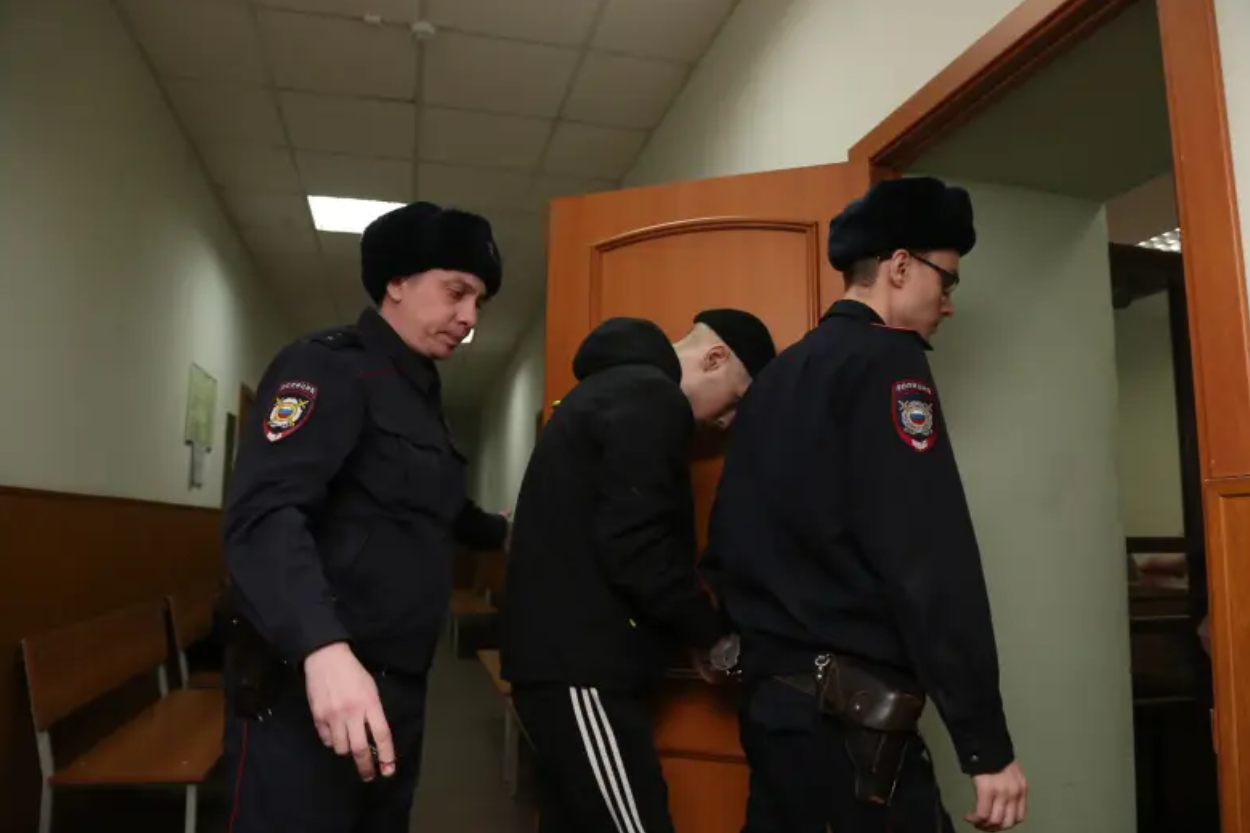
In response to dwindling domestic enlistment, Moscow allegedly turned to foreign recruits—many misled or coerced—offering cash and citizenship to fight in Ukraine.
Reports indicate that Russian authorities are intensifying their drive to bolster military personnel by enlisting foreign combatants for the conflict in Ukraine. Instead of exclusively depending on nationalistic volunteers, Moscow is reportedly growing more reliant on individuals hailing from nations throughout Asia, Africa, Latin America, and the Middle East. Numerous recruits are enticed by pledges of substantial salaries, citizenship, or civilian job opportunities—only to find themselves dispatched to active combat areas under duress.
The use of foreign manpower has grown sharply as recruitment from within Russia itself has declined. Financial incentives and deceptive contracting practices have raised concerns about human rights violations and exploitation of vulnerable individuals.
A growing reliance on foreign fighters
Russia’s drive to strengthen its armed forces seems to stem from a considerable decrease in local recruitment. Reports indicate that recruitment centers in prominent urban areas have experienced substantial drops in volunteer figures, leading officials to target foreign citizens. It is believed that tens of thousands of individuals from Central Asia, Africa, Southeast Asia, and Latin America have enlisted in Russian military units.
Reports suggest that over 1,500 foreign fighters from more than 40 nations have been enlisted in the last year, with many processing through provisional recruitment hubs prior to their assignment. Certain countries, such as Cuba, are said to have supplied a substantial number of these recruits. While these individuals are frequently offered salaries and perks, a significant portion later claim they were misinformed regarding the specifics of their duties and the circumstances they would encounter.
Coercion, false promises, and murky recruitment tactics
Investigations suggest that coercion and deception are integral to Russia’s recruitment strategy. Some recruits are promised civilian employment or legal residency in Russia but are redirected to military service upon arrival. Contracts are often written in Russian, a language many recruits do not understand, raising serious questions about informed consent.
Authorities reportedly offer cash bonuses to police and intermediaries who recruit detainees into military service, sometimes framing enlistment as a way to avoid prosecution. In addition, recruiters often target individuals through false promises of jobs such as drivers, warehouse workers, or guards, only to place them directly into military units and combat roles.
Humanitarian and Moral Ramifications
The recruitment of foreign fighters raises profound ethical and humanitarian concerns. Many of these individuals enlist out of economic desperation rather than ideological commitment. Once deployed, they frequently face harsh conditions, delayed or withheld pay, and high casualty rates.
These practices have drawn condemnation internationally, with experts likening them to forms of human trafficking. Exploiting vulnerable individuals through deception or coercion violates humanitarian norms and risks destabilizing the regions from which these recruits are drawn. Source countries often lack the capacity to monitor or intervene effectively, and the clandestine nature of recruitment networks complicates accountability.
Global response and strategic risks
The global reaction has been reserved yet progressively more focused. Kyiv has highlighted the deployment of international mercenaries as proof of Moscow’s struggle to maintain its military campaign. Authorities are reviewing legal structures and travel warnings for individuals who enlist in foreign armed services.
Reliance on external combatants also presents operational hazards. Inadequate preparation, linguistic obstacles, and cultural disparities can diminish battlefield efficacy and unit coherence. Excessive dependence on hired soldiers might degrade discipline and heighten susceptibility to strategic failures.
The long-term consequences for surviving recruits are uncertain. Many may return home traumatized, without compensation or support, while the precedent of mobilizing impoverished individuals for combat could influence future conflicts.