The emergence of artificial intelligence is set to significantly transform the field of media localization, especially in the area of dubbing for movies and television. For many years, the task of converting and re-recording dialogues for international audiences has been a time-consuming and costly effort, relying on a network of human translators, voice artists, and sound engineers. AI technologies now offer the prospect of a new model, where the constraints of time, expense, and accessibility are considerably minimized. This change could make content distribution more accessible, enabling creators of all sizes to reach audiences globally, but it also raises complex questions about artistic integrity, job opportunities, and the essence of human expression.
The essence of this technological transformation is centered around sophisticated machine learning algorithms. AI systems are now capable of executing a multi-step sequence that previously needed a group of experts. Initially, they can convert the original audio into text with a high level of precision. Following this, the transcription is rendered into another language, often prioritizing contextual and cultural subtleties traditionally challenging for machine translation. Ultimately, the most astonishing advancement occurs with voice synthesis and replication. These systems can examine the original voice of the actor, capturing its distinct tone, timbre, and even emotional nuances, then produce a new voice track in the translated language that resembles the original delivery.
This automation brings a host of compelling advantages to the industry. The most immediate and significant benefit is the reduction in both time and financial outlay. A process that could take weeks or even months to complete can now be done in a fraction of the time, allowing content to be released simultaneously across multiple markets. This speed is invaluable for streaming platforms and producers who operate on tight deadlines and need to capitalize on global momentum. Furthermore, by minimizing the need for extensive studio time and a large cast of voice talent, the cost of localization plummets, making it feasible for independent creators and smaller studios to enter international markets that were previously out of reach.
Nevertheless, achieving a completely automated dubbing system comes with its own set of substantial hurdles and restrictions. The primary issue is tied to quality and emotional richness. Although AI is capable of mimicking a voice’s tone, it frequently fails to reproduce the intricate, uniquely human aspects of a performance. The timing of an inhale, an unplanned pause, or the distinct voice texture that expresses a specific feeling—these are the subtle details that human performers offer to a character and that AI, despite its improvements, still finds challenging to replicate reliably. This can result in a dubbed performance that appears monotonous or mechanical, potentially distancing viewers who appreciate an authentic and emotionally engaging experience.
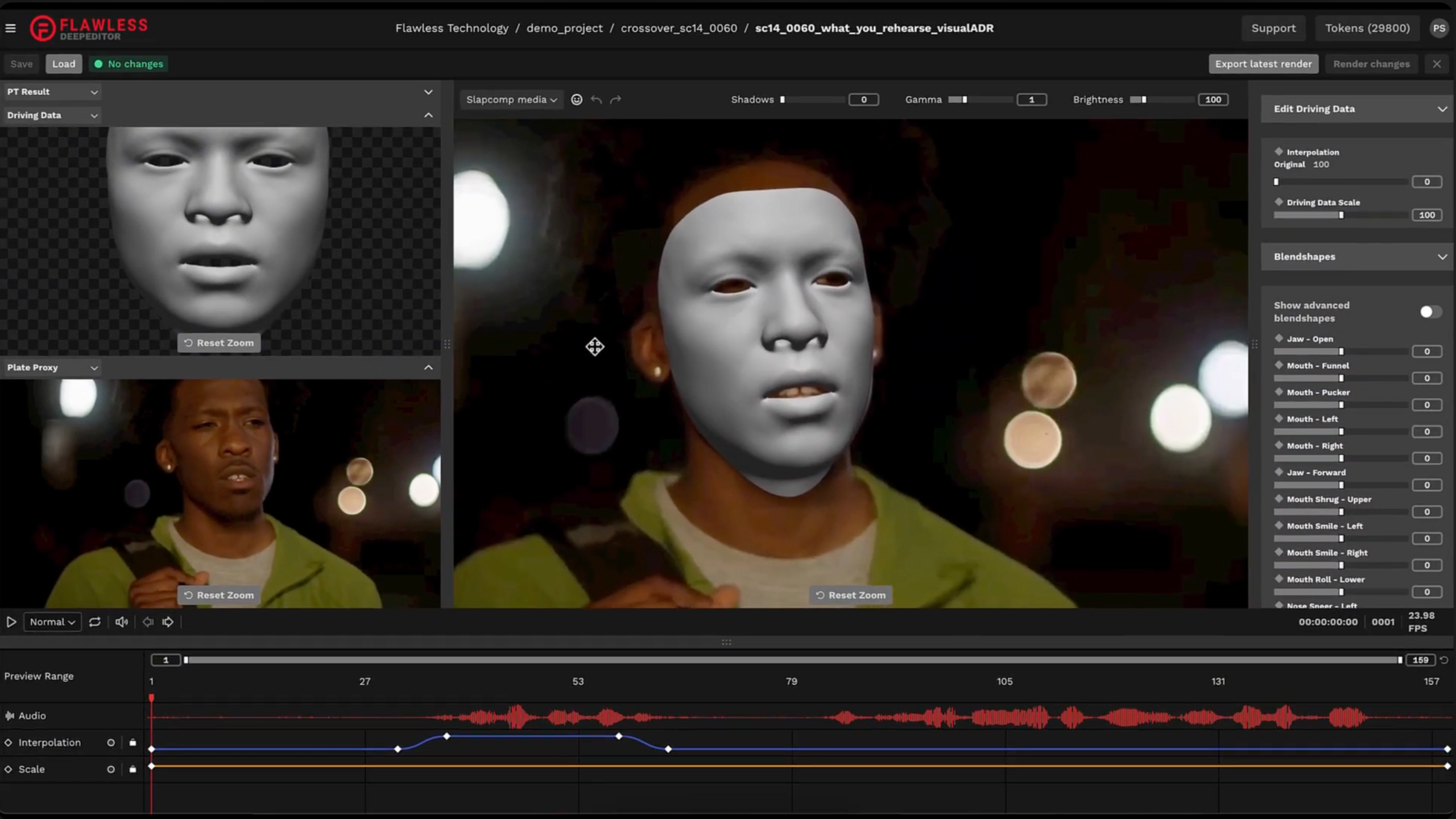
Another critical hurdle is the issue of lip-syncing. While AI has made strides in aligning audio with on-screen mouth movements, achieving perfect synchronization remains a complex task. Different languages have varying sentence structures and lengths, and a literal translation may not fit the visual cues of the original performance. While AI can adjust and manipulate the audio to some extent, it may still result in a subtle disconnect that viewers can perceive, detracting from the immersive nature of the film or show. The need for a “human in the loop” to review and fine-tune these aspects suggests that full automation may not be a practical reality for high-quality productions.
The ethical implications of this technology also loom large. The rise of AI dubbing and voice cloning poses a direct threat to the livelihoods of voice actors, a creative community that has long been the backbone of the localization industry. Their jobs are not merely about speaking translated lines; they are about giving a performance, interpreting a character, and conveying emotion. The prospect of their voices being digitized, cloned, and used in perpetuity without their consent or fair compensation has led to widespread concern and a push for stronger union protections. The debate is no longer speculative; it is a live issue that is reshaping labor negotiations in the entertainment industry.
Apart from job loss, there are worries in the realms of culture and the arts. Language serves as a vessel for cultural identity, and excellent dubbing transcends mere literal translation. It entails modifying expressions, humor, and cultural nuances to ensure they connect with a local audience. This sensitive process of localization demands profound knowledge of human culture and society, which AI, despite its data processing capabilities, does not possess. Relying entirely on automation threatens to standardize content, depriving it of the cultural uniqueness that enriches and diversifies global cinema. The “simple” AI solution might result in sacrificing the essence of a creative masterpiece.
The anticipated evolution of media localization seems to be an integrated one, where technology and human skills operate together. Machines will manage the majority of repetitive and specialized tasks, like initial text adaptation and basic audio creation, whereas human experts will concentrate on the more inventive and intricate elements of the procedure. This cooperative model would transform translators into “multimedia experts” who not only polish the dialogue but also guide the machine’s performance, ensuring the end product maintains its emotional integrity and cultural significance. This strategy would preserve human employment by redefining roles, letting professionals use technology as a means to enhance their expertise, rather than replacing it.
In this evolving landscape, the role of content creators and studios will also change. They will need to make conscious decisions about when to use fully automated solutions and when to invest in a hybrid or purely human-driven approach. For lower-stakes content like corporate training videos or social media clips, the efficiency and cost-effectiveness of AI will be an obvious choice. However, for a major motion picture or a prestige television series, the emotional depth and artistry provided by human voice actors will likely remain a non-negotiable requirement for connecting with a discerning audience.
As technology advances, it can simplify the process of dubbing, yet it may never fully capture the human aspect of delivering a performance. The essence of dubbing artistry is not merely in translating the words but in the nuances of voice that convey them. It’s the delicate tone, impeccable timing, and heartfelt emotion that bring a dubbed movie to life with the impact of the original. While technology offers an efficient and budget-friendly option, for those seeking genuine expression and creativity, the human touch remains essential. The discussion isn’t just about technology simplifying dubbing, but also about the sacrifices that might accompany this convenience.