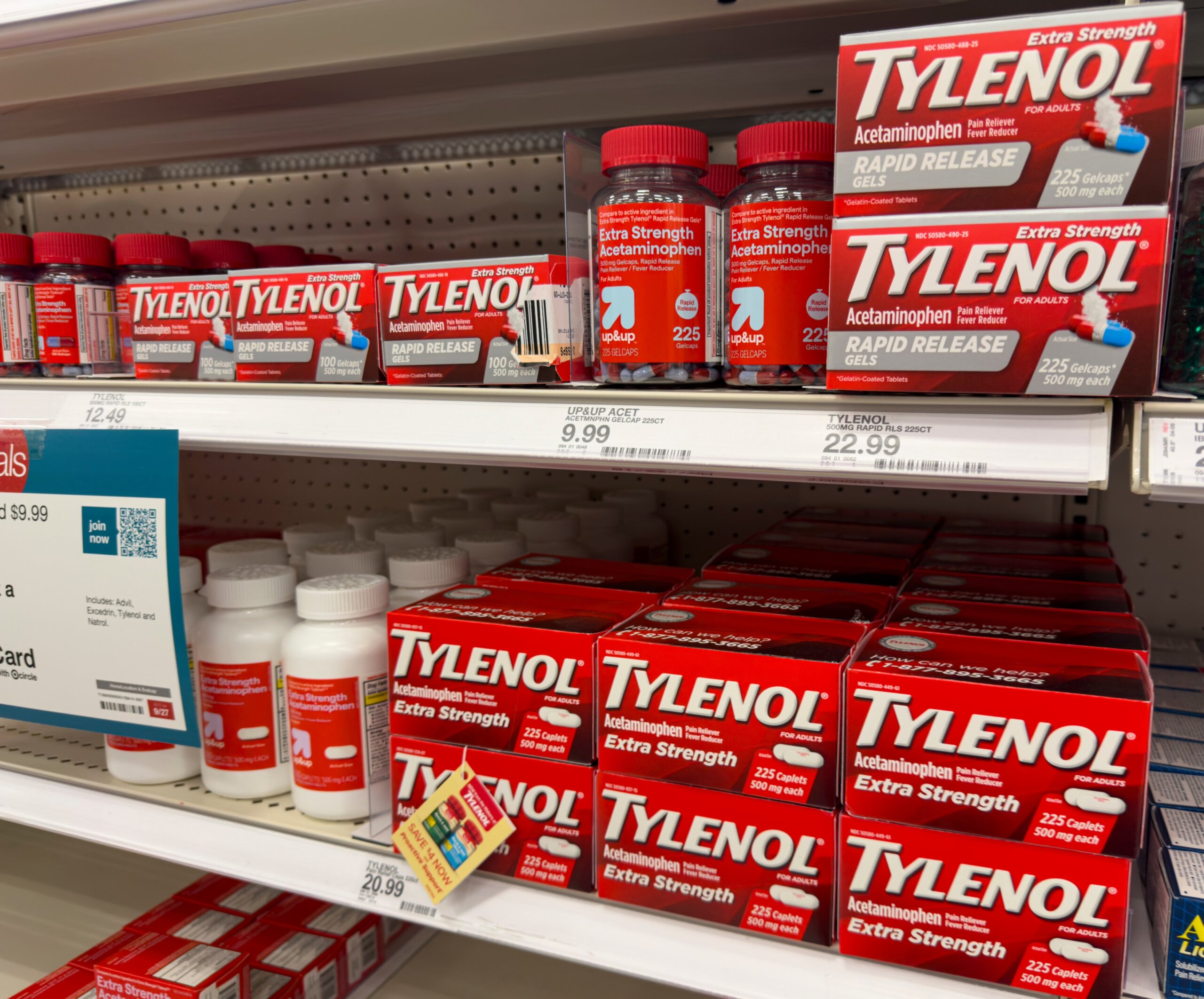
Kimberly-Clark is set to acquire Kenvue, the company behind Tylenol, in a deal worth nearly $50 billion, creating one of the world’s leading consumer product giants. This merger brings together a portfolio of widely recognized household names with significant global reach, but it also presents substantial financial and regulatory hurdles that both organizations will need to navigate carefully.
A significant consumer product takeover
The integration of Kenvue, a company that originated from Johnson & Johnson in 2022, brings together renowned brands such as Tylenol, Johnson’s baby items, Clean & Clear, Kleenex, Listerine, and Depends under a single corporate entity, alongside Kimberly-Clark’s current product range. The organizations anticipate that this consolidation will yield an annual income of $32 billion and establish an enterprise that will “impact almost half of the world’s inhabitants throughout their lives.” Upon the finalization of this deal, projected for the latter half of 2026, Kimberly-Clark’s stockholders will possess a controlling interest of roughly 54%, with Kenvue’s stockholders holding the remaining portion.
This agreement signifies a substantial integration within the consumer goods industry, uniting two entities possessing synergistic product ranges and worldwide distribution channels. Leadership has highlighted the prospect of operational efficiencies and an expanded market footprint, indicating that the amalgamation will facilitate the amplification of marketing, production, and logistical capacities across diverse brand categories. Experts propose that this union could bolster the firms’ competitive standing against competitors like Procter & Gamble and Unilever.
Financial and regulatory obstacles
Despite the potential for expansion and market leadership, this acquisition presents inherent dangers. Kenvue recently disclosed a 4.4% drop in its total sales for the latest quarter, with the self-care division—which includes Tylenol—experiencing a 5.3% decrease. Company leadership attributed these reductions to retailers cutting down on stock and budget-conscious consumers opting for more affordable private-label options, indicating possible difficulties in sustaining revenue growth within a unified corporate framework.
The corporation is also confronting legal challenges stemming from recent accusations made by the Trump administration. Texas Attorney General Ken Paxton initiated a lawsuit, asserting that Kenvue engaged in misleading advertising of Tylenol to expectant mothers, implying a possible connection to autism spectrum disorder. Kenvue has vehemently refuted these allegations and committed to “strenuously defending” its position. Both Kimberly-Clark and Kenvue executives affirmed that these potential liabilities were comprehensively assessed during the due diligence process, involving consultations with legal, regulatory, and medical professionals prior to finalizing the transaction.
Kimberly-Clark’s chief executive, Mike Hsu, characterized the purchase as a “generational value creation opportunity,” whereas Kenvue’s CEO, Kirk Perry, highlighted the extensive scientific research spanning decades that validates the safety of their offerings. The deal will be finalized via a cash-and-stock arrangement, valuing each Kenvue share at $21.01, which signifies a substantial premium compared to its recent market prices. Following this announcement, Kenvue’s stock experienced a 16% surge, while Kimberly-Clark’s shares declined by almost 13% on the very same day.
Impact on the Mergers and Acquisitions Industry
The integration of Kimberly-Clark and Kenvue occurs amidst a general uptick in mergers and acquisitions across the United States, propelled by a regulatory framework that has fostered corporate unification. As reported by Dealogic, U.S. transactions have already reached $1.9 trillion this year, marking the highest sum since 2021, excluding the surge driven by the pandemic. The Kenvue acquisition stands as the third-largest deal of 2025 thus far, trailing only the Union Pacific–Norfolk Southern railway agreement ($72 billion) and Saudi Arabia’s Public Investment Fund’s procurement of Electronics Arts ($55 billion).
In the context of consumer products, the Kimberly-Clark–Kenvue merger would be the fourth-largest deal ever, trailing only Altria’s $111 billion spin-off of Philip Morris International in 2008, British American Tobacco’s $64 billion acquisition of Reynolds American in 2015, and Procter & Gamble’s $61 billion purchase of Gillette in 2005. Industry experts note that such large-scale consolidations can reshape market dynamics, alter competitive strategies, and influence pricing, innovation, and consumer choice across global markets.
Strategic Prospects and Market Placement
For Kimberly-Clark, this merger presents an opportunity to expand its product portfolio and access new market niches. The combination of Kenvue’s consumer health goods with Kimberly-Clark’s hygiene, personal care, and paper offerings creates a more resilient entity, better positioned to navigate economic fluctuations. Management highlights potential benefits arising from consolidated supply chains, joint research and development initiatives, and global marketing approaches, all of which could enhance financial outcomes and brand visibility.
The merger also allows each organization to leverage its unique strengths: Kenvue brings well-known health and wellness brands that consumers trust deeply, while Kimberly-Clark contributes operational scale, distribution expertise, and a strong presence across international markets. Industry analysts suggest this collaboration could drive continuous growth, though its effectiveness will depend heavily on seamless integration and skillful navigation of both regulatory hurdles and public perception issues, particularly given the ongoing legal concerns surrounding Tylenol.
As Kimberly-Clark and Kenvue near the completion of their acquisition, market observers will be closely watching how the combined organization manages its vast portfolio of brands and navigates the challenges inherent in such a significant transaction. This consolidation underscores a wider trend of mergers and acquisitions within the consumer products industry, signaling deliberate efforts to enhance brand value, optimize operational efficiency, and expand global market reach.
While the impact of regulatory scrutiny and market fluctuations remains unclear, the partnership between Kimberly-Clark and Kenvue represents a bold strategic move in the corporate landscape. The outcomes of this deal could not only reshape the competitive environment for consumer products but also signal broader trends in mergers and acquisitions for the coming years, highlighting the crucial importance of scale, diversification, and brand equity in an increasingly interconnected global economy.
This acquisition marks a crucial moment for both organizations, opening doors to strengthen their positions across diverse product categories and showcasing the calculated risks that drive significant business strategies. As the transaction moves towards completion, its execution and the market’s reaction will set a benchmark for future mergers in the consumer health and personal care sectors.