

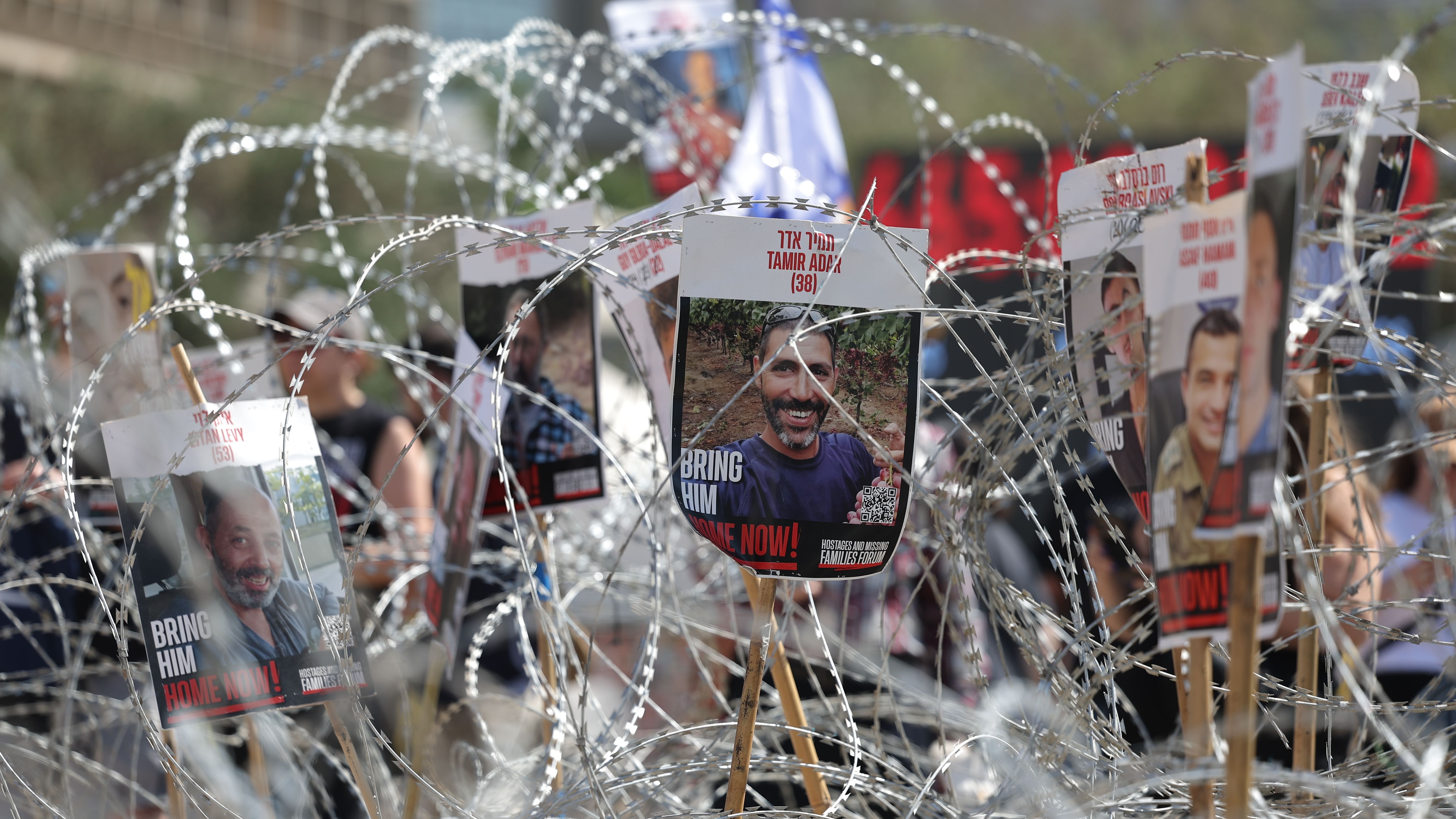
Wide-scale protests have surged throughout Israel due to the distribution of alarming video from Gaza, depicting hostages in visibly frail conditions. Large crowds assembled in key cities, calling for immediate government measures to ensure the release of Israeli nationals presumed to be detained by militant factions. The emotional reaction has reawakened national discussions over the management of hostage talks and the overarching conflict dynamics within the area.
The recently released videos, circulated by Gaza-based militants, depict several captives in deteriorated physical condition. Their gaunt appearances and subdued demeanor have triggered a wave of concern, anger, and calls for immediate intervention. While the authenticity of the footage is still being verified, it has already had a profound psychological impact on Israeli society and added urgency to ongoing efforts aimed at negotiating their release.
In Tel Aviv, Jerusalem, and other urban centers, protesters have filled public squares, carrying signs, chanting slogans, and urging elected officials to prioritize the safe return of the hostages. Families of the missing have taken a central role in the rallies, sharing emotional appeals and demanding greater transparency in the government’s response.
Among the demonstrators are people from a wide range of political backgrounds, unified by a shared concern for the well-being of the captives. Many protestors have accused the current administration of inaction or insufficient diplomatic engagement, arguing that more should be done to bring the hostages home.
Orators at the gatherings urged the authorities to enhance talks via global intermediaries, such as Qatar, Egypt, and the United Nations. Additionally, some requested more transparency regarding the measures executed to date, as rumors and unease keep rising nationwide.
The Israeli leadership now faces heightened scrutiny over its approach to hostage recovery efforts. Officials have acknowledged the existence of the videos and confirmed that some of the individuals shown are believed to be Israeli citizens abducted in earlier cross-border incidents. While the government has reiterated its commitment to securing their release, it has offered few specifics about ongoing negotiations, citing the sensitivity of the matter.
Security experts and political analysts have pointed out that public pressure may accelerate diplomatic or military initiatives, though any move carries significant risks. Balancing national security concerns with humanitarian imperatives remains one of the most complex challenges facing Israeli policymakers at this moment.
Certain Knesset representatives have suggested forming special parliamentary committees again to manage hostage issues, stressing the need for a more unified and open structure. At the same time, opposition leaders have reproached the government for what they term a scattered and reactive approach, urging for a more forward-looking stance globally.
The pictures coming out of Gaza have sparked fresh criticism from civil rights organizations in Israel and overseas. Groups like Amnesty International and Human Rights Watch have demanded the urgent freedom of all civilian captives and emphasized to all sides their duties under global humanitarian regulations.
The well-being of the detained individuals, as depicted in the video, has sparked concern about possible infringements of prisoner rights. Specialists caution that extended neglect, insufficient healthcare, and mental mistreatment might constitute significant violations of the Geneva Conventions, especially if those held are civilians and have not been allowed international supervision.
Advocates for prisoner rights have called on neutral actors—such as the International Committee of the Red Cross—to be granted access to the detainees, a demand echoed in protest signs and public petitions circulating in Israel and beyond.
The footage has also drawn responses from the global community, with several governments urging an end to hostage-taking and emphasizing the importance of diplomatic resolution. The United States, a key ally of Israel, has expressed solidarity with the families of the hostages and reaffirmed its support for Israel’s right to defend its citizens while urging restraint in any retaliatory measures.
European Union officials have similarly called for the humane treatment of detainees and offered to support mediation efforts aimed at facilitating their safe return. Regional actors—including Jordan and Egypt—have issued statements emphasizing the destabilizing effects of hostage incidents on peace and security in the broader Middle East.
Several diplomats have proposed that broadcasting this footage might be a strategic maneuver by militant groups in Gaza to negotiate political or tactical advantages. Nevertheless, this action has predominantly had the opposite effect in terms of public relations, strengthening Israeli public sentiment and diminishing the chances of political compromise in the near future.
Beyond the political and diplomatic implications, the hostage crisis is exacting a deep emotional toll on Israeli society. Many families are reliving trauma from past conflicts, and the uncertainty surrounding the fate of the captives has created a climate of collective anxiety. Mental health professionals report an uptick in stress-related symptoms, particularly among communities with close ties to those believed to be detained.
The recent demonstrations have acted as an expression of public sorrow and a platform for community unity. Events like candlelight vigils, prayer sessions, and symbolic empty chairs have become typical elements of these gatherings, highlighting the personal aspect of the national protest.
Schools, synagogues, and community centers have joined the effort to raise awareness, organizing educational events and resource drives in support of affected families. These grassroots efforts underscore the societal consensus around the need for decisive action.
As the situation continues to evolve, Israeli leaders face mounting pressure to reassess their approach. While military options remain on the table, the risks associated with any direct operation in densely populated or hostile territories are considerable. Alternatively, diplomatic channels may offer a path forward, but require cooperation from international stakeholders and potentially complex negotiations.
Este periodo representa un punto crucial en la toma de decisiones en Israel, donde los líderes deben equilibrar prioridades en conflicto: lograr la liberación de los rehenes, impedir una escalada y conservar la confianza de una población profundamente preocupada.
The release of unsettling footage showing visibly malnourished hostages has galvanized Israeli society, prompting one of the largest protest movements in recent months. The outpouring of emotion reflects not only compassion for those held in captivity but also a collective demand for action and accountability.
As diplomatic endeavors gain momentum and authorities reevaluate their plans, one fact stands out: the destiny of the hostages has emerged as a pivotal matter for the nation’s political landscape and societal awareness. The manner in which this is handled could influence the nation’s stance on conflict, negotiation, and public participation in the long term.