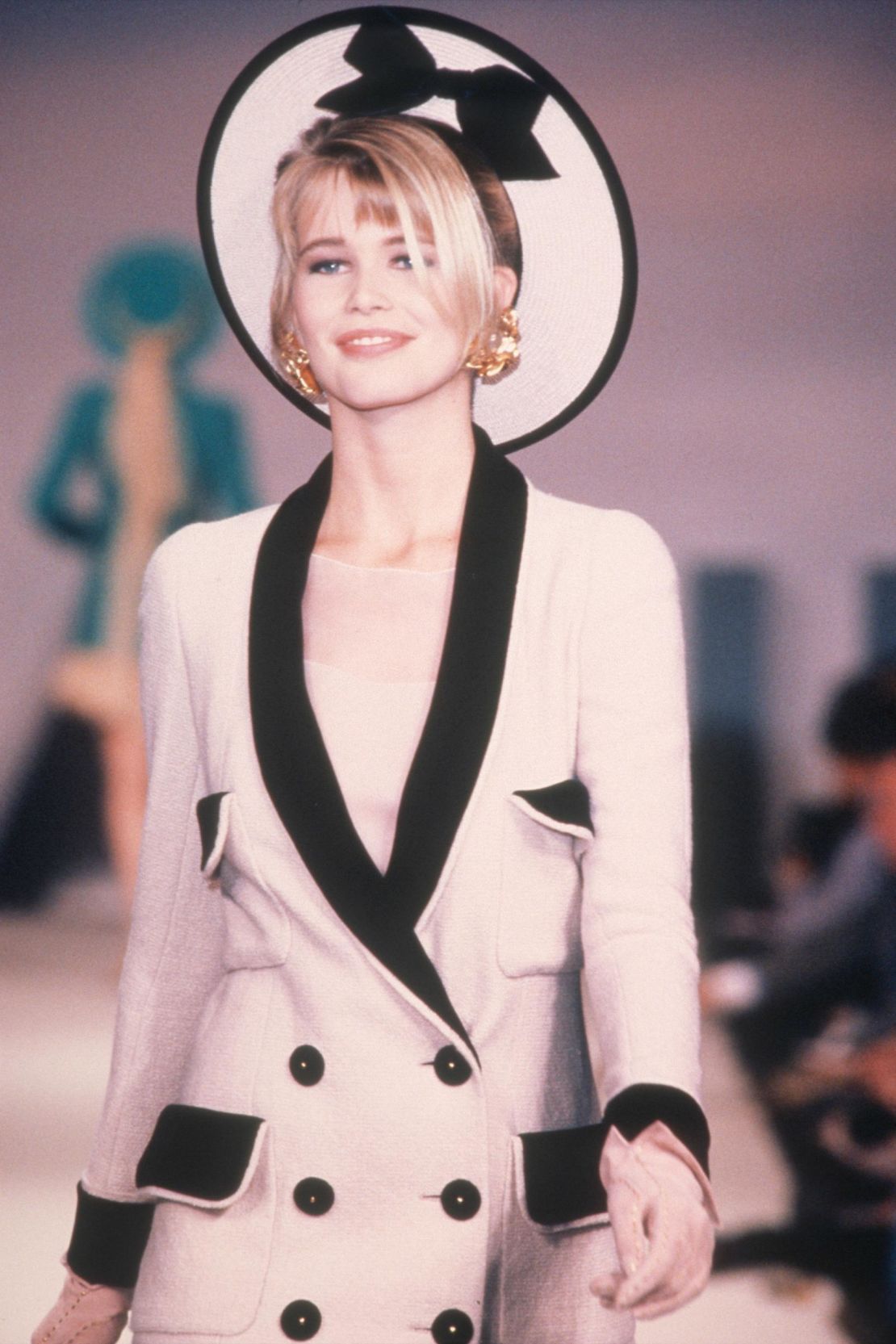
When Alber Elbaz initially took the helm at Lanvin in 2001, the Parisian fashion house was a dormant powerhouse, boasting a storied past but lacking modern appeal. Through his leadership, Lanvin underwent a period of artistic revival, distinguishing itself from other high-end fashion labels. Elbaz’s impact at Lanvin was characterized by several unique aspects, such as his unparalleled design philosophy, dedication to meticulous artistry, and his remarkable ability to engage with both famous personalities and ordinary women.
Reinventing Elegance Through Creativity
Elbaz’s approach to design was infused with a modern perspective on classic femininity. He famously said, “I love women, and I wanted to make them feel beautiful and comfortable.” His pieces at Lanvin were notable for their impeccable draping, use of luxurious materials, and bold yet fluid silhouettes. Unlike the rigid architectures of the early 2000s, his creations embraced movement, emotion, and sensuality.
Among his most renowned collections, the Fall 2008 ready-to-wear line was notable for its pioneering application of raw-edged silk and intricate pleating. Reviewers lauded the collection for merging Parisian elegance with a whimsical, unconventional spirit. Elbaz’s genius resided in rendering haute couture-level artistry both contemporary and approachable.
Empowering Women With Clothing
At the core of Elbaz’s approach at Lanvin was the conviction that clothing should uplift women, rather than make them feel daunted. He dismissed the concept of “authoritarian” fashion, frequently articulating his aim to design apparel that women genuinely desired to wear, not merely to observe on a catwalk. This was demonstrated by his preference for functional elements—gowns that could be put on without fasteners, adaptable sashes and fastenings, and materials that prioritized ease without compromising opulence.
His Spring 2011 collection exemplified this ethos by cleverly blending utilitarian functionality with glamour through one-shouldered metallic dresses accessorized with chunky jewels. The looks were celebratory but accessible, and the models appeared confident and at ease, reflecting Elbaz’s intention to dress “real women.”
Masterful Storytelling and Emotional Connection
What distinguished Elbaz from many of his contemporaries was his ability to infuse collections with narrative depth and emotion. His shows often reflected a sense of joy, nostalgia, and humanity. Rather than relying solely on spectacle, Elbaz invited his audience into a tender, almost intimate universe. For his 10th anniversary at Lanvin, he walked the runway arm-in-arm with seamstresses, spotlighting the teamwork and artisanal expertise behind each garment.
This narrative emphasis was also evident in his branding approaches. The now-famous Lanvin campaign, which showcased both professional and non-professional models in cheerful, unposed stances, challenged industry conventions and cultivated a genuine feeling of inclusion.
Innovation in Collaborations and Red Carpet Strategy
Elbaz spearheaded a contemporary method for partnerships and celebrity interactions. Although numerous fashion houses kept their most impressive creations for internal showcases, Elbaz made high fashion more accessible by partnering with retailers such as H&M in 2010. This collection was completely sold out in a matter of hours, bringing the Lanvin style to a significantly broader public and demonstrating Elbaz’s keen insight into changing consumer trends.
Additionally, Lanvin experienced a meteoric rise in red carpet presence under Elbaz. His designs for actresses such as Meryl Streep, Natalie Portman, and Tilda Swinton balanced glamour and relatability, often chosen for their comfort as much as their dramatic impact. Elbaz’s way with draping, textures, and jewelry crafted memorable moments that shaped red carpet style for a generation.
Reshaping the Role of the Creative Director
In addition to his design prowess, Elbaz’s approach to leadership redefined the expectations for a creative director within the luxury fashion sector. He was recognized for his modesty, sharp intellect, and deep understanding, frequently attributing the brand’s achievements to his dedicated team of seamstresses and colleagues. This cooperative ethos cultivated a setting where new ideas thrived, playing a crucial role in Lanvin’s artistic achievements.
Unlike some of the era’s more enigmatic or headline-seeking creative heads, Elbaz appeared relatable and approachable. His signature bow ties and glasses became a symbol of endearing eccentricity, reinforcing both his unique personal brand and the house’s approachable take on luxury.
Lasting Heritage
Alber Elbaz’s tenure at Lanvin remains a benchmark in contemporary fashion for its seamless blend of tradition and innovation. His work not only revitalized Lanvin as a business but also set a new standard for modern elegance rooted in emotional resonance and practicality. The fashion world continues to study his collections and leadership style, underscoring the profound influence one designer can have by prioritizing empathy, storytelling, and authentic connection above fleeting trends or commercial stratagems.