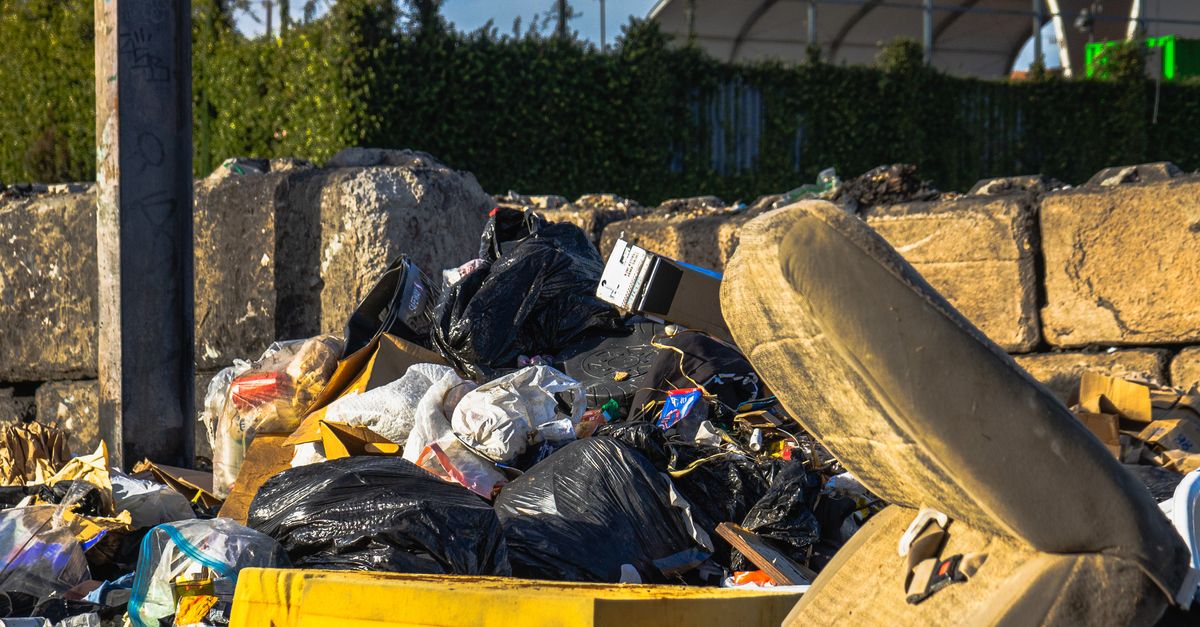
Mexico confronts two intertwined sustainability issues: an overwhelming stream of urban waste and the imperative to boost the competitiveness of local suppliers. Large metropolitan areas produce millions of tons of municipal solid waste every year, yet recycling rates for residential and commercial refuse remain below 10% across many locales, with informal waste-picking still contributing significantly to material recovery. Meanwhile, small and medium suppliers—including farmers, processors, workshops, and logistics operators—frequently struggle to access formal procurement networks, financing, or the quality-assurance resources needed to integrate into major corporate supply chains.
Corporate social responsibility (CSR) programs in Mexico are increasingly addressing both problems together: supporting local suppliers while reducing urban waste through circular procurement, inclusive partnerships, and investments in collection and recycling infrastructure. The following sections map strategies, concrete cases, and measurable outcomes.
CSR approaches that connect local suppliers with effective waste-minimization efforts
- Inclusive procurement and supplier development: Corporations set local-sourcing targets, train small suppliers on quality, traceability, and sustainability standards, and provide market access via preferential shelf space or contracting.
- Aggregation and aggregation hubs: Companies and NGOs create aggregation points or cooperatives so many small vendors can meet the volume, quality, and logistics requirements of large buyers.
- Finance and de-risking: Advance payments, microcredit, and purchase guarantees reduce entry barriers for small producers and service providers, including waste-collection microenterprises.
- Circular procurement: Buyers prioritize products and packaging made with recycled content, or procure services that turn urban waste into feedstock, creating demand for a recycling value chain.
- Investment in collection and recycling infrastructure: CSR funds and corporate investments support sorting centers, buy-back points, and partnerships with recyclers that formalize and scale material recovery.
- Capacity building for waste pickers and micro-entrepreneurs: Training on occupational safety, business skills, and value-added material processing increases incomes and integrates informal workers into formal supply chains.
- Product design and waste prevention: Corporates redesign packaging and product formats to reduce waste at source and to enable easier recycling or composting.
Case studies: corporate programs supporting suppliers and reducing urban waste
Walmart de México y Centroamérica — supplier development and local sourcingWalmart Mexico operates a long-running supplier development program that targets small and medium producers across food and household categories. The program provides technical assistance on food safety, packaging, and labeling, and links suppliers to the retailer’s logistics network. By increasing the capacity of local suppliers, Walmart reduces transport emissions and promotes shorter supply chains. The retailer also supports local packaging suppliers that use recycled material, creating demand that helps formalize recycling streams.
Coca-Cola FEMSA — PET recovery and integration with formal collectorsCoca-Cola FEMSA has invested in collection and recycling partnerships to increase the availability of recycled PET for bottle manufacturing. These partnerships commonly include financing of collection centers, incentives for formalized waste collectors to deliver sorted PET, and collaborations with large recyclers to close the bottle-to-bottle loop. Programs emphasize paying fair prices to collectors and training them in safety and material handling, raising incomes and stabilizing feedstock supply for manufacturers.
Nestlé Mexico — local agricultural sourcing and waste reduction in processingNestlé’s approach to sourcing coffee, dairy, and vegetables locally blends farmer training with agronomic guidance to improve both productivity and product quality. At its processing facilities, the company incorporates organic waste practices by redirecting food-processing residues into animal feed or compost, while refining packaging to limit material consumption. Together, these actions help reinforce rural supplier networks and cut organic waste generated in urban and peri-urban areas associated with processing and retail.
Grupo Bimbo — plant-level waste diversion and supplier integrationGrupo Bimbo has highlighted facility-level progress in redirecting production scraps from landfills by turning byproducts into animal feed or collaborating with recycling partners to recover packaging materials. The company’s sourcing initiatives prioritize small bakeries and local ingredient providers that meet its quality criteria, pairing technical support with stable purchasing agreements that enable local businesses to upgrade to cleaner, more efficient operations.
CEMEX — construction waste reuse and inclusive contractor programsCEMEX makes use of construction and demolition debris as a stream of recycled aggregates, drawing on CSR initiatives and commercial ventures to gather and transform urban construction waste into materials fit for new developments. Alongside these efforts, complementary programs deliver training and small-scale contracting pathways for emerging contractors and material providers, helping integrate informal recyclers into formal systems while cutting the volume of waste sent to urban landfills.
Social enterprises and digital platforms — connecting collectors to marketsA growing number of Mexican social entrepreneurs have developed digital platforms and logistics services that aggregate recyclable materials from informal collectors and small suppliers and channel them to corporates and recyclers. These platforms increase transparency, raise collection rates, provide traceability for recycled inputs, and often offer digital payment and health-and-safety training for participants. Corporates sometimes partner with or fund these platforms to secure responsibly sourced recycled feedstock.
Key metrics and quantifiable results
- Waste volume and recycling: Major urban areas in Mexico produce vast quantities of municipal solid waste each year, yet recovery rates for streams like plastics and organics remain low, frequently falling under 10% in many localities. Corporate-led collection and recycling efforts can significantly boost material recovery in selected zones, at times doubling PET or cardboard collection in participating cities.
- Supplier inclusion: Retailer-led supplier development schemes routinely integrate hundreds or even thousands of SMEs annually, increasing the share of locally sourced goods while enhancing product standards and shelf readiness. These improvements shorten lead times, cut logistics-related emissions, and shift economic benefits more directly into local communities.
- Economic impacts: Bringing structure to waste collection networks and including waste pickers in procurement channels elevates participant incomes and curbs unauthorized disposal. When companies purchase recycled materials, they create stable demand that can raise the compensation received by collectors and recyclers by 10–50% compared with informal spot markets, subject to material type and geographic conditions.
What makes these CSR efforts succeed — lessons from Mexican practice
- Align procurement incentives: When buyers commit to purchasing recycled content or locally sourced goods, they create reliable demand that justifies investments in collection, processing, and supplier capacity.
- Invest in aggregation and logistics: Many small suppliers cannot meet volume or quality thresholds alone; aggregation hubs, cooperatives, and digital platforms bridge that gap efficiently.
- Combine technical assistance with finance: Training without access to credit limits impact. Bundled offers—technical help, small loans, and purchase commitments—accelerate supplier upgrades.
- Formalize informal actors respectfully: Programs that formalize waste pickers while respecting existing livelihoods and knowledge produce better social and environmental outcomes than displacement-based approaches.
- Measure and report outcomes: Transparent KPIs on waste diverted, recycled-content procurement, supplier incomes, and emissions reductions build trust and attract co-investment.
Policy and collaborative mechanisms that broaden the reach of CSR initiatives
- Public-private co-financing for collection infrastructure and sorting centers accelerates scale-up in major cities.
- Clear standards for recycled-content materials and waste traceability reduce market friction and improve uptake by large buyers.
- Capacity-building grants and tax incentives for firms that source locally or purchase recycled materials lower the cost of transition for both buyers and suppliers.
- Recognition and certification of inclusive procurement practices help retailers and manufacturers communicate impact to consumers and investors.
Mexico’s corporate arena demonstrates that CSR can function as an effective link between upgrading urban waste management and empowering local suppliers, as firms that merge procurement pledges with funding, technical support, and collaborations with recyclers and social enterprises help establish circular supply chains that lessen landfill pressure while opening new income channels for small producers and collectors. Expanding these models depends on coherent public policy, robust measurement systems, and broad, long-term investments in logistics and processing capacity. The most resilient outcomes arise when inclusion—bringing informal workers and small suppliers into formal value chains—is approached as a strategic advantage rather than a charitable gesture, since this ensures reliable material flows, widely shared economic gains, and tangible environmental improvements.