

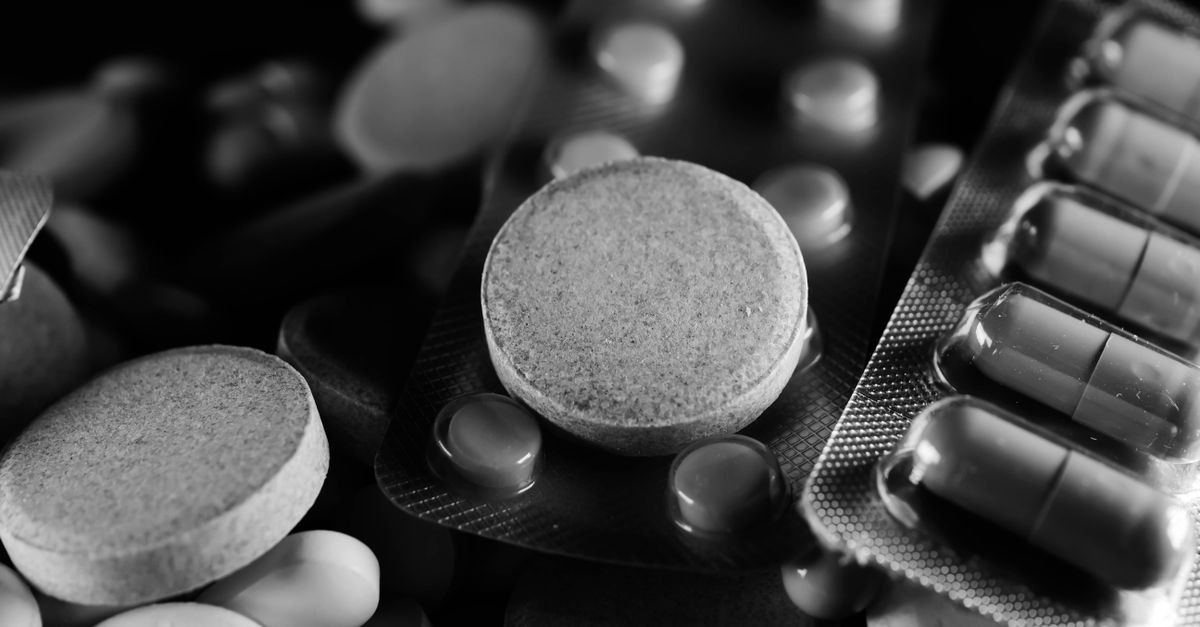
What antibiotics do to your microbiome
Antibiotics save lives by killing or inhibiting bacteria, but they are rarely selective only for pathogens. They reduce gut microbial diversity, shift relative abundances, and can expand antibiotic-resistance genes. Common consequences include antibiotic-associated diarrhea (AAD), overgrowth of opportunistic pathogens such as Clostridioides difficile, altered immune signaling, and metabolic changes. The magnitude of disruption depends on the antibiotic class, dose, duration, and the individual’s baseline microbiome and health status.
How long recovery takes
Recovery timelines vary:
- Short programs (1–7 days) frequently yield quantifiable shifts within days, whereas diversity and numerous taxa generally start recovering in weeks.
- Numerous investigations document partial bounce-back across 1–6 months, though certain species might stay suppressed for months up to years following a solitary course.
- Successive or broad-spectrum treatments generate cumulative, more enduring alterations alongside a greater proliferation of resistance genes.
A landmark research project regarding ciprofloxacin revealed a swift reduction in diversity alongside a partial bounce-back within weeks, though unique individual impacts remained. Long-lasting disappearances of specific strains have been recorded for as long as two years in certain instances.
Practical approach: before, during, and after antibiotics
- Before: Ask whether the antibiotic is necessary and whether a narrower-spectrum or shorter course would be effective. Discuss allergy history and drug interactions with your clinician.
- During: Follow prescribing instructions. Maintain hydration and normal food intake unless otherwise advised. If concerned about diarrhea, tell your clinician early. For many patients, taking a recommended probiotic can reduce AAD risk; discuss options with a provider.
- After: Focus on rebuilding diversity and resilience through diet, targeted microbes when appropriate, and lifestyle factors (sleep, stress management, exercise).
Dietary strategies to support recovery
Diet is the single most powerful, safe tool for most people:
- High-fiber diversity: A mix of fibers feeds different beneficial bacteria. Include whole grains, legumes, nuts, seeds, fruits, and vegetables. Aim for a broad variety rather than very high amounts of a single fiber.
- Prebiotic foods: Foods rich in inulin, fructooligosaccharides, and resistant starch—onion, garlic, leeks, asparagus, bananas, oats, cooked-and-cooled potatoes, and beans—support growth of beneficial taxa.
- Fermented foods: Yogurt with live cultures, kefir, some types of sauerkraut, kimchi, and fermented soy products can introduce live microbes and bioactive compounds. Start gradually to monitor tolerance.
- Polyphenol-rich foods: Berries, green tea, coffee, dark chocolate, and colorful vegetables promote beneficial microbes and anti-inflammatory pathways.
Probiotics, prebiotics, and synbiotics — evidence and guidance
- Probiotics: Meta-analyses show certain probiotics reduce risk of AAD. Strongest evidence exists for Saccharomyces boulardii and strains of Lactobacillus (for example, Lactobacillus rhamnosus GG). Efficacy depends on strain, dose, timing, and patient population. Typical clinical practice is to start a probiotic at the first dose of antibiotics and continue for at least 1–4 weeks after, but check product strain, potency, and your clinician’s advice.
- Prebiotics: Non-digestible fibers selectively feed beneficial taxa. They are safe for most people and especially useful after antibiotics to help re-expand commensals.
- Synbiotics (probiotic + prebiotic) can be helpful but quality and evidence are mixed; choose products with clinically proven strains.
- Safety: Live probiotics are generally safe for healthy people. Avoid them in severely immunocompromised patients, those with central venous catheters, or critically ill individuals without specialist advice because of rare risks of bloodstream infection.
When to evaluate advanced interventions
- Severe or prolonged diarrhea, high fever, or bloody stools: Urgent assessment is required to rule out C. difficile and other related complications. Certain antibiotics, including clindamycin, fluoroquinolones, and broad-spectrum cephalosporins, present a significantly elevated risk for C. difficile.
- Recurrent C. difficile: Fecal microbiota transplantation (FMT) delivers impressive success rates—frequently exceeding >80–90% in cases of recurring illness—when administered by specialists, serving as a well-established treatment option.
- Persistent dysbiosis symptoms: Should issues like bloating, malabsorption, continuous diarrhea, or newly developed sensitivities linger for months, seeking guidance from a gastroenterologist or an infectious-disease specialist is advised, as specialized stool analysis and customized treatments could prove beneficial.
Special populations
- Children: The probiotic yeast Saccharomyces boulardii alongside specific Lactobacillus strains lower the likelihood of antibiotic-induced diarrhea among pediatric patients across various studies. Try to minimize unneeded antibiotics and opt for narrow-spectrum alternatives whenever feasible.
- Pregnancy: Certain dietary adjustments and probiotic supplements see frequent use, yet you should consult your obstetrician prior to initiating any new regimen.
- Elderly: Healing might take longer as a result of polypharmacy, reduced dietary fiber consumption, alongside underlying health conditions. Providing nutritional care together with medication reviews aids recovery while cutting down complication risks.
- Immunocompromised: Administration of probiotics requires strict medical supervision owing to infrequent infection hazards linked to live microorganisms.
Antibiotic stewardship at the individual level
- Ask whether antibiotics are necessary and whether a targeted drug is available.
- Ask about the shortest effective duration; for many common infections, shorter courses are now recommended compared with past practice.
- Use infection prevention measures—vaccination, hand hygiene, wound care—to reduce future antibiotic need.
Lifestyle changes that boost microbiome resilience
- Regular physical activity supports microbial diversity and metabolic health.
- Quality sleep and stress management reduce inflammation and foster beneficial microbiome-host interactions.
- Avoid unnecessary antibacterial products like household sanitizers and antibacterial soaps that can perturb environmental microbial exposures.
Monitoring progress and realistic expectations
- Most people see symptomatic improvement within days to weeks if no complication occurs.
- Microbial diversity can take weeks to months to recover, and some specific strains may remain absent long-term after a single exposure.
- Routine commercial microbiome sequencing rarely changes management; reserve testing for persistent or complex cases discussed with a clinician.
Case examples
- Adult with sinus infection: A 7-day amoxicillin course causes diarrhea. Recommended plan: maintain fluids, begin a probiotic with evidence for AAD at the first antibiotic dose, increase dietary fiber and fermented foods gradually, and continue the probiotic for 2–4 weeks after finishing antibiotics. Seek care if fever or bloody stools develop.
- Child prescribed antibiotics for otitis media: Discuss watchful waiting if acceptable. If antibiotics are used, consider a pediatric-proven probiotic to reduce AAD risk and focus on fiber-rich family meals after therapy.
- Patient with recurrent C. difficile after multiple courses: Referred to a specialist; after evaluation the patient undergoes FMT with resolution in most similar cases. Prevention emphasizes antibiotic stewardship and careful follow-up.
Common myths and clarifications
- Myth: Probiotics will fully restore your original microbiome. Reality: They can reduce AAD risk and support recovery but rarely recreate the exact pre-antibiotic microbiome composition.
- Myth: Always stop antibiotics early to protect your microbiome. Reality: Do not stop prescribed antibiotics without medical advice; incomplete treatment may worsen infection or select for resistance. Discuss duration with your clinician.
Thoughtful antibiotic use paired with a fiber-diverse diet and fermented foods, selective incorporation of evidence-backed probiotics when needed, focus on lifestyle habits, and prompt assessment of complications provide the optimal path to microbiome restoration. For high-risk individuals or those dealing with chronic issues, coordinated specialist care alongside targeted, evidence-guided interventions can successfully clear acute complications and reconstruct long-term microbial resilience.


