Economy

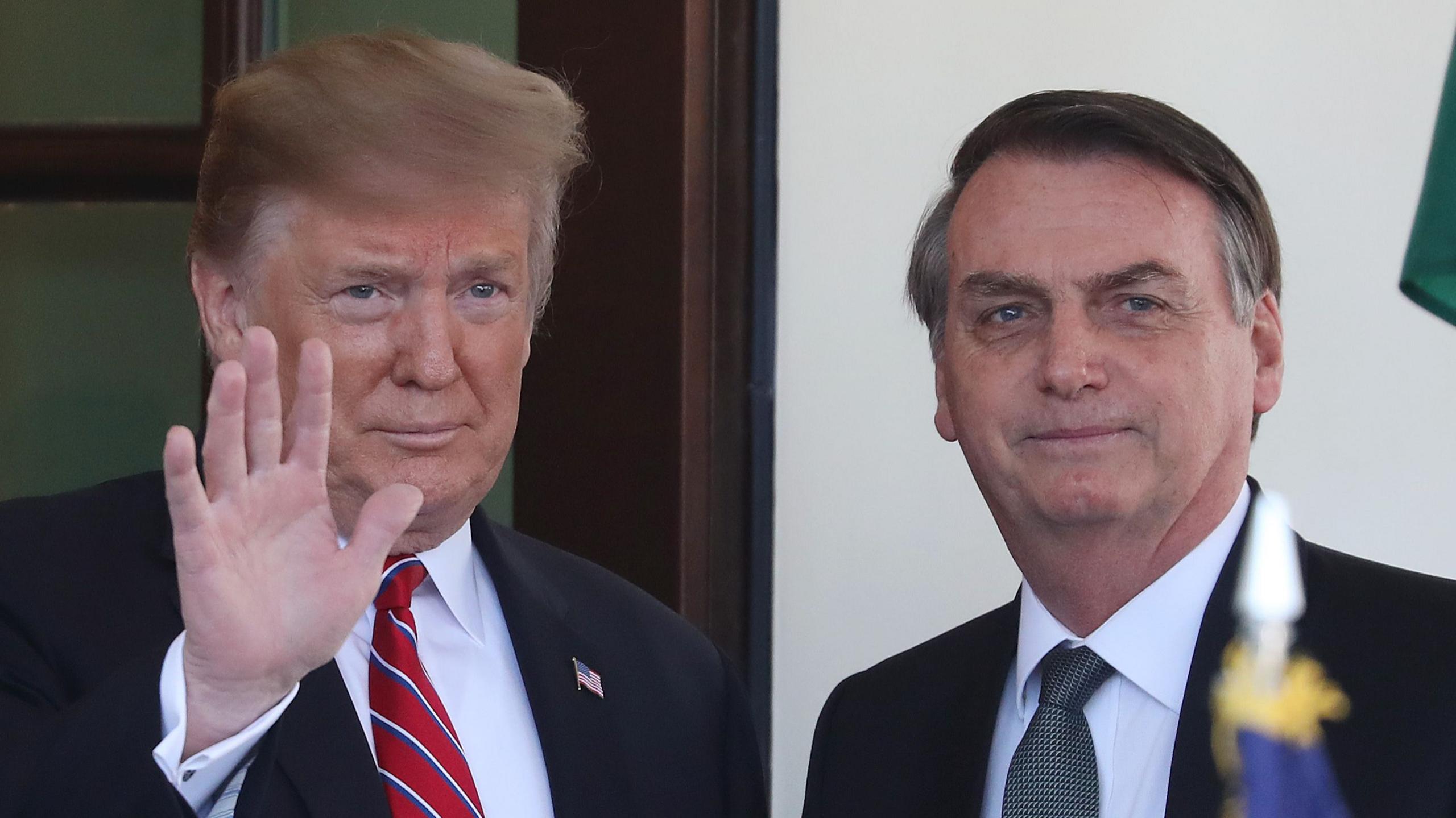
Brazil vows to match US tariffs after Trump threatens 50% levy

Brazil announces plan to counter US tariffs amid Trump’s 50% levy threat

In a move that underscores the persistent tensions in global trade relations, Brazil has announced its intention to introduce reciprocal tariffs in response to recent threats from former US President Donald Trump to impose a significant 50% levy on certain Brazilian goods. The announcement marks the latest development in a series of economic maneuvers that have tested the relationship between two of the Western Hemisphere’s largest economies.The controversy began when Trump, speaking at a campaign event, revived a long-standing grievance concerning what he describes as unfair trade practices by Brazil. In his remarks, Trump specifically referenced imbalances in trade and…
Read More
Livvy Dunne says she was 'denied' from buying Babe Ruth's old apartment

Livvy Dunne details how she was ‘denied’ from buying Babe Ruth’s former home

Olivia "Livvy" Dunne, the prominent gymnast and social media influencer, recently shared her disappointment after reportedly being unable to purchase an apartment once owned by legendary baseball icon Babe Ruth. The situation has sparked public interest not only because of the historic significance of the property but also due to Dunne's rising celebrity status and her foray into real estate.Dunne, known for her athletic achievements as well as her massive online following, revealed in a candid interview that she had been eager to acquire the apartment, which holds a special place in sports history. The residence, associated with one of…
Read More
Lesotho declares state of disaster amid US tariff uncertainty

Lesotho faces state of disaster due to US tariff uncertainty

Lesotho has officially declared a state of disaster due to rising economic worries associated with possible changes in United States trade policies. This announcement emphasizes the susceptibility of the small African country to global economic fluctuations and underscores the urgent necessity for both short-term aid and comprehensive strategies to reduce external threats.The future of Lesotho's preferential trade status under the African Growth and Opportunity Act (AGOA) is generating concerns. This U.S. law permits qualified sub-Saharan African nations to export products to the U.S. market without paying duties. Lesotho's economy, which relies significantly on textile exports, especially clothing, has greatly benefited…
Read More
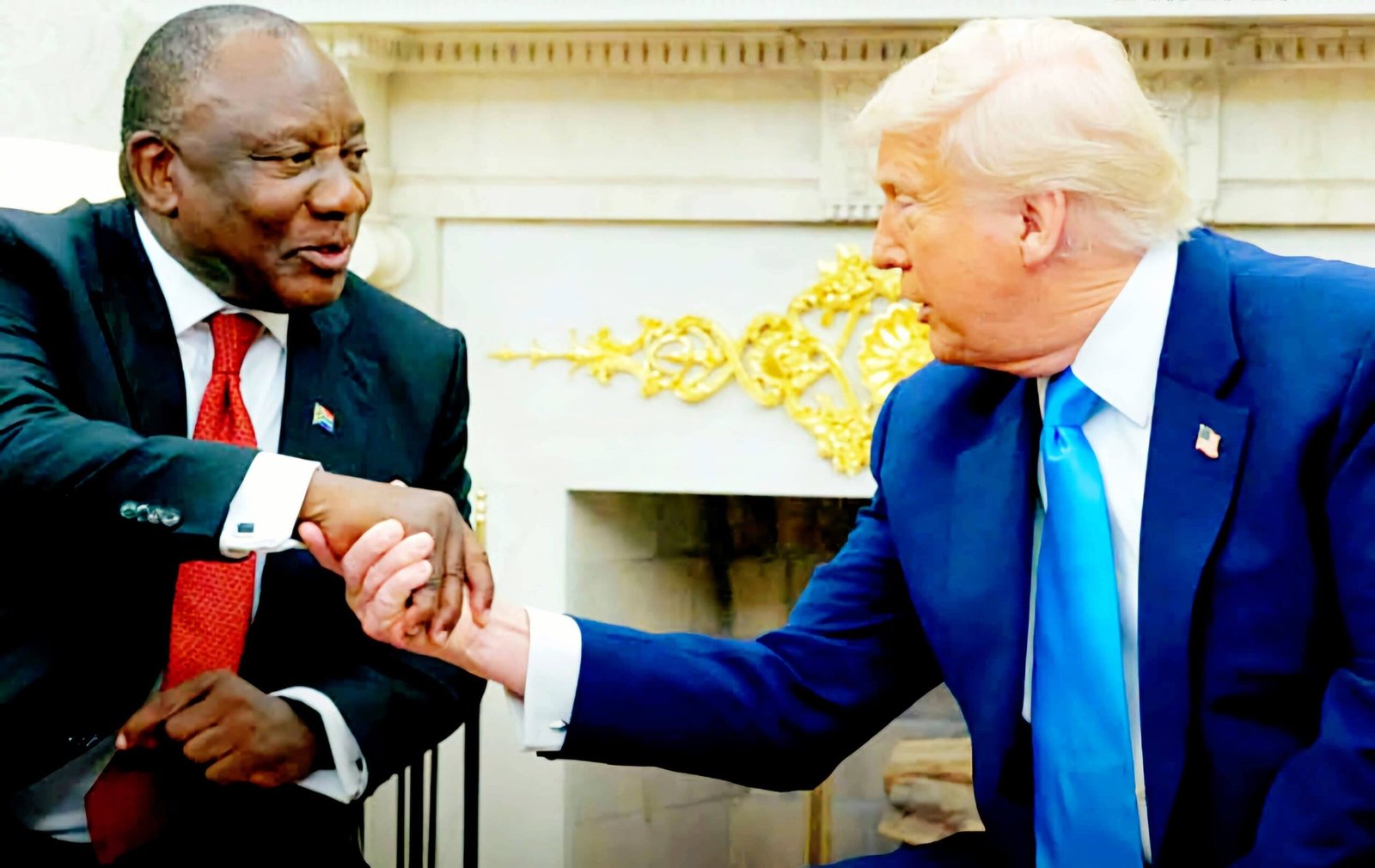
Ramaphosa opposes Trump's 30% tariff on South Africa

Ramaphosa rebuffs Trump’s 30% tariff on South Africa

Cyril Ramaphosa, the President of South Africa, has openly voiced his disapproval of the suggested 30% duty on South African products, which was recently introduced by the former U.S. leader Donald Trump. This tariff suggestion, part of a broader economic plan associated with shifts in trade, has sparked worries not just in South Africa but also among worldwide trade analysts who dread its possible effects on international relations and developing market economies. The suggested tariff, focused particularly on exports from South Africa to the United States, aligns with Trump's persistent narrative highlighting national priorities and safeguarding American businesses. The former…
Read More
US delays higher tariffs but announces new taxes for some countries

US postpones raising tariffs, adds new taxes for some nations

The United States has announced a decision to delay planned increases in tariffs on a range of imported goods while simultaneously unveiling new tax measures targeting specific countries. The move reflects the ongoing complexities of international trade relations as the U.S. government continues to balance domestic economic priorities with shifting global dynamics.The delay in raising existing tariffs offers temporary relief to several key trading partners and industries, many of which had expressed concerns over the potential economic fallout of higher import duties. At the same time, the decision to impose new taxes on certain countries underscores the administration’s continued focus…
Read More
Tariffs, explained: What Trump wants from all these trade deals

Tariffs, explained: Decoding Trump’s approach to trade deals

In recent years, the subject of tariffs has moved from the pages of economic textbooks to the forefront of public debate, largely driven by former U.S. President Donald Trump’s high-profile approach to international trade. While tariffs have long been a key tool in the economic policies of nations around the world, their use under Trump's administration reignited discussions about their purpose, effectiveness, and long-term impact on global markets and domestic industries.Tariffs, at their core, are taxes placed on imported goods. They are designed to make foreign products more expensive, thereby encouraging consumers and businesses to purchase domestically produced alternatives. Governments…
Read More
There are hundreds of temporary tariff-free zones — and they’re in the US

Exploring the US’s Numerous Temporary Tariff-Free Zones

In the intricate realm of international trade, tariffs frequently have a significant impact on economic policies, global supply chains, and the prices that consumers encounter for standard products. However, although much focus is placed on debates about trade restrictions and the duties applied to imports, there is an underappreciated system in the United States that enables companies to evade certain tariffs entirely: Foreign-Trade Zones (FTZs).These zones, scattered across the country, provide companies with temporary tariff relief under specific conditions, offering flexibility that can significantly impact business operations, costs, and competitiveness. Though largely invisible to the average consumer, FTZs represent a…
Read More
Congress passes Trump's 'big, beautiful bill' cutting taxes and spending

Congress approves Trump’s ‘big, beautiful bill’ slashing taxes and spending

In a major progression that signifies one of the most daring changes in U.S. financial policy in recent years, Congress has approved a law supported by former President Donald Trump, focused on cutting both taxes and government expenditures. The comprehensive legislation, which Trump had eagerly referred to as a “big, beautiful bill,” is set to transform crucial elements of the American economy and public finances for years to follow.The legislation reflects longstanding Republican priorities of lowering the tax burden on individuals and businesses while simultaneously curbing federal expenditures. Supporters argue that the measure will stimulate economic growth, boost investment, and…
Read More
What have tariffs really done to the US economy?

Tariffs and their true influence on the US economy

For a significant period, tariffs have served as an essential instrument in the domain of economic policy, employed by nations to regulate commerce, shield local industries, and collect income. Recently, the United States has extensively utilized tariffs as a component of its comprehensive trade plan, especially concerning China and other significant trading allies. This renewed emphasis on protectionism has ignited a heated discussion regarding whether tariffs benefit or adversely affect the U.S. economy. A detailed examination shows that the consequences of these measures are intricate, wide-ranging, and frequently yield varied outcomes.At their essence, tariffs function as taxes placed on products…
Read More
hand holding dollar bills

Top advice for managing business debt effectively

Managing business debt is a critical aspect of sustaining and growing any enterprise. It demands foresight, discipline, and strategic planning to balance obligations and opportunities while steering clear of financial distress. Here’s an in-depth guide detailing how to handle business debt intelligently, supported by actionable strategies, real-world examples, and practical tips.Comprehending the Essence of Corporate DebtNot all debt is created equal. Distinguishing between good debt and bad debt is fundamental. Good debt typically finances initiatives that generate profits and expand business capabilities—such as investing in equipment, technology, or skilled employees. Bad debt, by contrast, drains resources without generating corresponding returns,…
Read More