Social Responsibility

Spain: CSR initiatives strengthening labor inclusion and work-life balance

Spain: Corporate Responsibility for Labor Inclusion & Work-Life

Over the last decade Spain has seen a convergence of regulatory change, corporate commitment, and civil society action that positions corporate social responsibility (CSR) as a central lever for improving labor inclusion and work-life balance. Companies, public agencies, and social organizations increasingly treat social performance as integral to competitiveness: inclusive hiring, flexible work arrangements, parental support, and targeted training are now common CSR pillars. This article summarizes the policy context, corporate practices, measurable impacts, representative cases, persistent gaps, and practical recommendations for scaling effective CSR in Spain.Policy and regulatory landscape influencing CSR- Spain’s labor and social policy evolution has created…
Read More
Eritrea: CSR cases strengthening community health and capacity-building

Eritrea: CSR cases developing community health and capacity-building

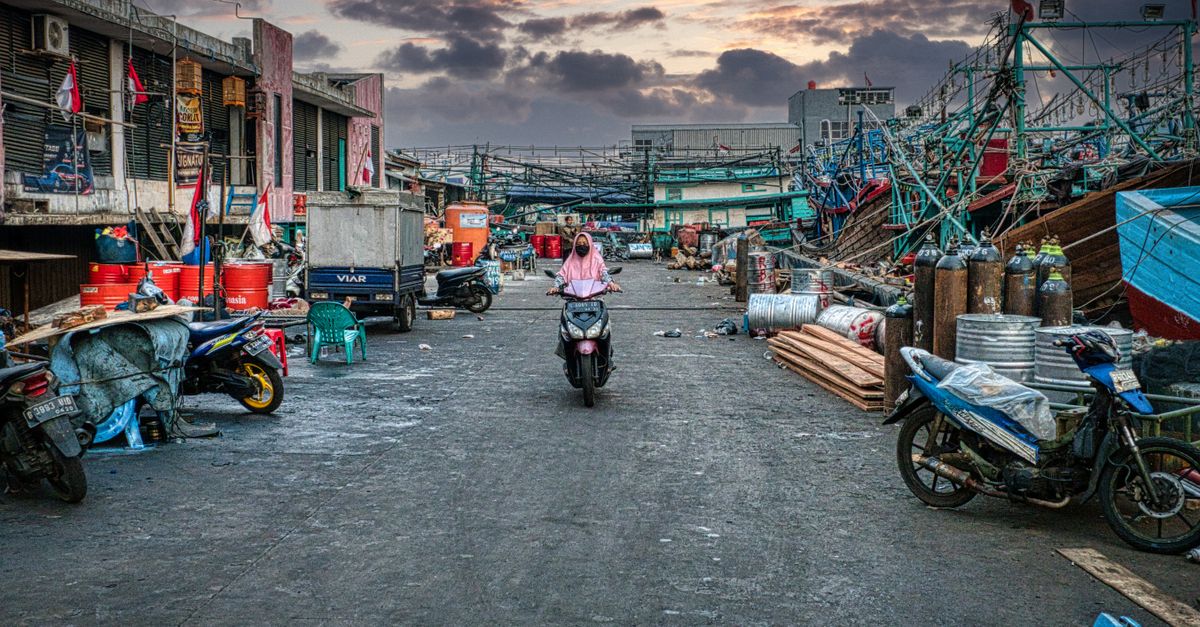
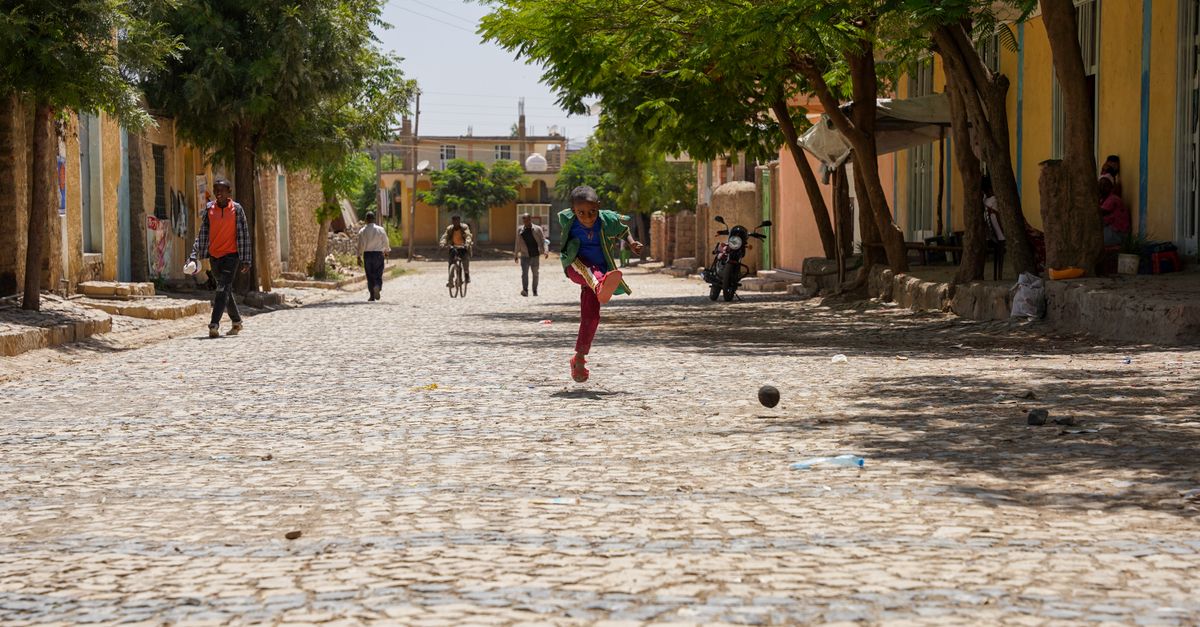
Eritrea’s political and economic landscape influences how corporate social responsibility functions in practice, and although its private sector is smaller than in many other nations, extractive firms, infrastructure contractors, local businesses, and diaspora-backed ventures have driven CSR efforts that emphasize community well-being and skills development. This article brings together reported examples, program categories, results, obstacles, and actionable insights aimed at enhancing health and human capital across Eritrean communities.Context and rationale for CSR in EritreaEritrea continues to confront enduring public health challenges and capacity limitations common in low‑resource environments, including limited rural health infrastructure, insufficiently trained medical personnel, inadequate water and…
Read More
Egypt: industrial CSR improving workplace safety and resource efficiency

Boosting Resource Efficiency in Egyptian Industry

Industrial corporate social responsibility (CSR) in Egypt is increasingly framed around two tightly linked priorities: protecting workers and using resources more efficiently. As the country pursues economic growth under national strategies such as Egypt Vision 2030, manufacturers, energy firms, construction companies, and industrial parks are turning CSR commitments into practical safety systems and resource-efficiency programs that lower costs, reduce environmental impact, and improve social outcomes.Why workplace safety and resource efficiency matter for Egyptian industryWorkplace safety has a direct impact on employees, operational efficiency, and overall expenses, as hazardous environments can raise absenteeism, boost insurance costs, and drive higher turnover while…
Read More
Brazil: CSR cases integrating reforestation and responsible supply chains

Brazilian CSR Cases: Reforestation & Ethical Supply Chains

Brazil's land-use profile links global supply chains with one of the planet's largest remaining tropical forest stocks. Agricultural expansion, timber production and commodity exports have driven deforestation for decades, while increasing corporate and civil-society pressure has produced a wave of corporate social responsibility (CSR) initiatives that explicitly pair reforestation with responsible sourcing. These initiatives seek to reduce forest loss, restore degraded landscapes and align procurement practices with climate, biodiversity and social goals.Background and key motivatorsLand-use pressures: Commodity production for beef, soy, pulp and paper, and sugar broadly drives clearing in Amazon and other Brazilian biomes. Periodic surges in measured forest…
Read More
Cabo Verde: CSR cases strengthening the blue economy and sustainable coastal jobs

Cabo Verde: CSR for Blue Economy & Coastal Jobs

Cabo Verde’s island-based economy has long been tied to the ocean, with limited land, a maritime exclusive economic zone far exceeding its territory, and a tourism-driven development model that place exceptional weight on coastal and marine activities for national income. Corporate social responsibility (CSR) that intentionally aligns corporate initiatives with blue economy priorities can help safeguard marine ecosystems while fostering durable coastal employment. This article presents the economic backdrop, key challenges, CSR frameworks that yield demonstrable results, illustrative case approaches with outcomes and indicative data, and recommendations for expanding resilient coastal job creation.Economic context and strategic importanceMacroeconomic role: Tourism is…
Read More
Philippines: CSR strengthening disaster preparedness and neighborhood resilience

CSR in the Philippines: A Catalyst for Disaster Preparedness & Community Resilience

The Philippines faces a high and growing frequency of natural hazards: tropical cyclones, storm surges, floods, landslides, earthquakes, volcanic eruptions, and sea level rise. On average, about 20 tropical cyclones enter the Philippine Area of Responsibility each year and roughly five make landfall. Recurrent major events—most notably Typhoon Haiyan (2013), which affected millions and produced economic losses in the billions of dollars—have underscored the need for robust disaster risk reduction (DRR) and community resilience. Corporations operating in the Philippines are increasingly integrating corporate social responsibility (CSR) with disaster preparedness and neighborhood resilience efforts, moving beyond one-off relief to invest in…
Read More
Cyprus: tourism CSR promoting water efficiency and living cultural heritage

Cyprus Tourism’s Commitment: Water Efficiency & Heritage

Cyprus is a Mediterranean island with a tourism-dependent economy and a rich reservoir of living cultural heritage. Coastal resorts, mountain villages, archaeological parks, seasonal festivals, traditional crafts, and culinary customs form the tourism offer. At the same time, Cyprus faces chronic water stress driven by low and variable rainfall, population peaks during the tourist season, and climate warming. For tourism businesses and destinations, corporate social responsibility (CSR) that simultaneously promotes water efficiency and safeguards living cultural heritage is not only ethically sound but also economically strategic.Water dynamics and tourism-related effectsWater scarcity profile: Cyprus has a semi-arid Mediterranean climate with large…
Read More
Saudi Arabia: CSR cases boosting digital skills and inclusive youth entrepreneurship

Saudi Arabia: Impact of CSR cases on digital skills and youth entrepreneurship

Saudi Arabia is undergoing rapid economic and social transformation driven by digitalization and a demographic profile dominated by young adults. Corporate social responsibility (CSR) strategies increasingly align with national development priorities to reduce reliance on oil, expand private-sector job creation, and widen opportunities for women and underrepresented groups. Companies, foundations, and multinationals are channeling CSR budgets into digital skills training, incubation, and inclusive entrepreneurship programs because these interventions build human capital, create scalable livelihoods, and accelerate local innovation ecosystems.Effective CSR StrategiesSkills pipelines: Structured training that moves participants from foundational digital literacy to specialized capabilities such as software development, data analytics,…
Read More
Australia: mining CSR cases focused on environmental restoration and ongoing community dialogue

Australia: mining CSR cases focused on environmental restoration and ongoing community dialogue

Australia’s mining sector is extensive, diverse, and tightly woven into regional economies, and in recent decades the industry has gradually moved beyond a narrow extraction‑only mindset toward a wider corporate social responsibility agenda that highlights environmental rehabilitation and ongoing engagement with local communities, a shift shaped by stricter regulations, evolving investor demands, increased civil society oversight, and the need to maintain its social licence to operate, especially in areas linked to Indigenous lands or environmentally delicate regions.Regulatory and governance frameworks guiding CSR initiativesFederal and state regulatory frameworks: Environmental impact assessment, the federal Environment Protection and Biodiversity Conservation (EPBC) Act and…
Read More
Denmark: CSR cases leading circular economy and sustainable design

Denmark’s Leadership: CSR, Circular Economy, and Sustainable Design

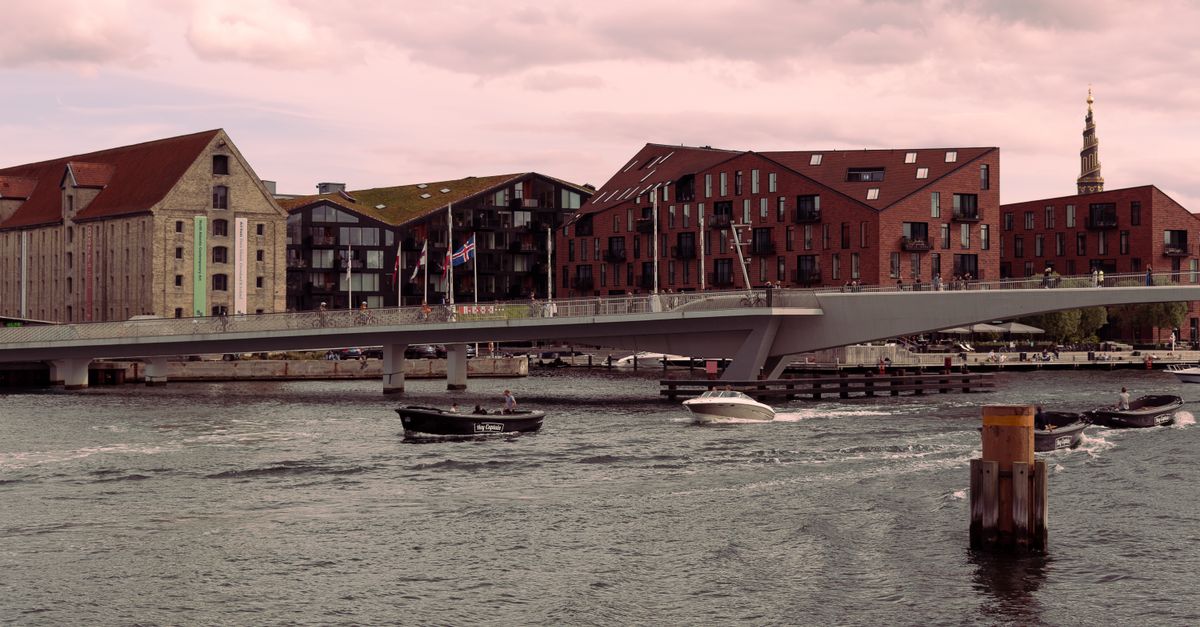
Denmark has become a global laboratory for turning corporate social responsibility (CSR) into commercially scalable circular economy strategies and sustainable design practices. Public ambition, consumer awareness, and collaborative institutions combine with innovative companies and startups to create examples that are widely cited and often replicated. The Danish approach blends product redesign, new business models, infrastructure investment, and supportive policy to reduce waste, keep materials in use, and lower carbon emissions while maintaining competitiveness.Corporate leaders translating CSR into circular business modelsLEGO — The LEGO Group connects its CSR strategy with product innovation and shifts across its supply chain, aligning a public…
Read More