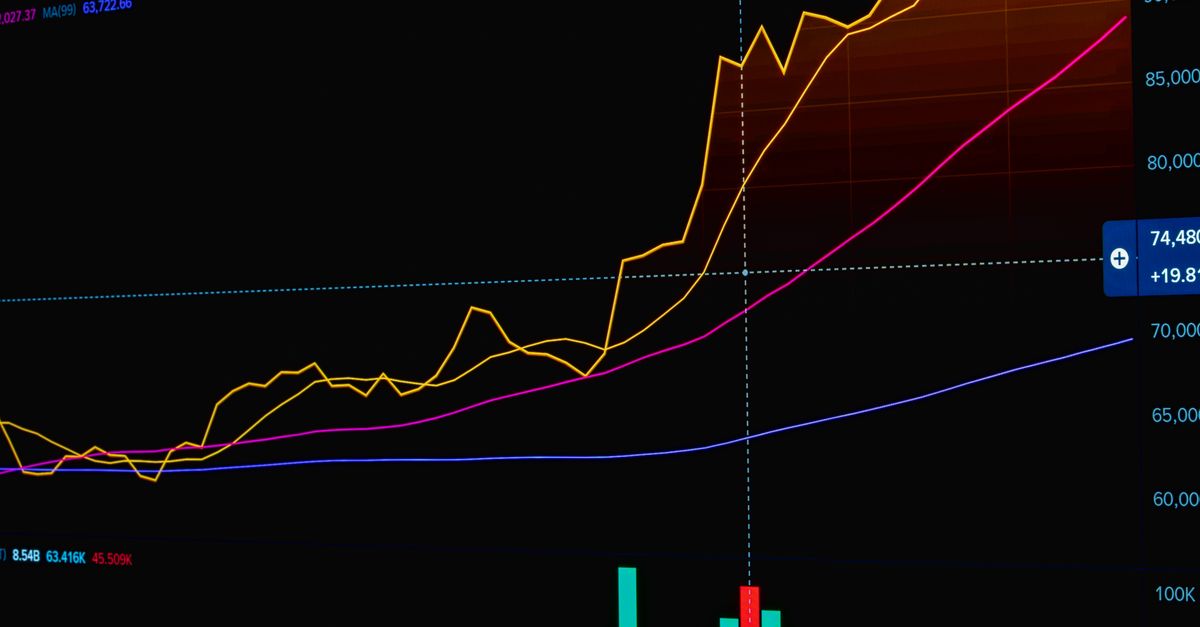
As the year draws to a close, global markets stand at an unusual turning point, with U.S. equities posting remarkable gains even as volatility, political uncertainty and evolving economic dynamics continue to challenge investor sentiment. The past twelve months have revealed a multifaceted narrative marked by resilience, risk and ongoing adjustments across multiple asset categories.
U.S. markets approach a historic milestone after years of exceptional gains
The U.S. stock market now stands close to accomplishing a milestone witnessed only rarely in contemporary finance: logging three straight years of robust double-digit gains. As the year winds down, leading indexes showcase a persistent upswing that has withstood broad skepticism and repeated predictions of an impending slump. This trajectory positions the current market phase among the most remarkable since the mid-20th century, prompting comparisons with earlier periods of economic growth, technological transformation and evolving monetary strategies.
At the heart of this achievement is the S&P 500, expected to close the year with an increase of about 17%, following two exceptional years in which it rose more than 20% each time; despite geopolitical strains, shifting trade policies, inflation worries, and one of the longest government shutdowns in history, the market has repeatedly absorbed disruptions and kept advancing, a resilience that has come to define this era.
A rally shaped by earnings strength and technological optimism
One of the most important drivers behind the sustained rise in equities has been the strength of corporate earnings. Despite higher borrowing costs earlier in the cycle and ongoing concerns about consumer demand, many U.S. companies have continued to deliver solid profits. This earnings resilience has provided a fundamental foundation for rising stock prices, helping to justify valuations that some critics have described as stretched.
Investor sentiment has been heavily influenced not only by earnings but also by the growing excitement surrounding artificial intelligence. Since late 2022, when generative AI tools first captured public attention, tech companies involved in data processing, cloud services and AI-driven solutions have experienced a surge in interest. This energy has persisted throughout the current year, as investors have wagered that U.S. companies are poised to steer the upcoming wave of technological advancement.
While fears of an AI-driven bubble periodically surfaced, particularly during moments of heightened volatility, the broader narrative remained intact. Market participants largely concluded that the long-term productivity gains associated with AI could support higher growth and profitability, even if short-term fluctuations were inevitable.
Volatility tests confidence but fails to derail momentum
The year proved anything but steady, with bouts of pronounced volatility reminding investors that confidence alone cannot erase risk; early on, worries surfaced as fresh shifts in global AI competition prompted doubts about whether the sector’s investment pace was warranted, and equity markets pulled back briefly as assumptions that had fueled rising valuations were reconsidered.
Later in the spring, volatility intensified as trade policy announcements sent shockwaves through global markets. The introduction of sweeping tariffs reignited fears of disrupted supply chains and slower global growth. Equity indexes experienced some of their most dramatic daily moves since the pandemic era, and measures of market fear surged to levels not seen in years.
Despite these challenges, the market showed an impressive ability to regain momentum, and as policy rhetoric eased and investors recalibrated their outlook, equities surged. By midyear, major indexes had recovered their earlier losses and advanced to fresh highs, highlighting the resilience that has defined this cycle.
Varied outcomes across leading U.S. indexes
While the broader market advanced, performance varied across indexes and sectors. The technology-heavy Nasdaq Composite once again outpaced its peers, delivering gains exceeding 20% and continuing a multi-year trend of leadership. This dominance reflected both the concentration of AI-related companies within the index and the broader appeal of growth-oriented stocks during periods of easing monetary policy.
The Dow Jones Industrial Average, often seen as a barometer of established blue-chip companies, also posted a strong year. Despite experiencing notable swings during periods of policy uncertainty, the index ultimately reached a series of record highs, reflecting renewed confidence in industrial, financial and consumer-facing firms.
Taken together, these results underscore a market that has responded positively to both innovation-led expansion and established corporate resilience, even as shifting sector rotations have repeatedly reshaped leadership.
Bonds, rates and the recalibration of expectations
Equity markets were not the only area of focus for investors. The bond market, which influences borrowing costs throughout the economy, underwent its own adjustment as expectations around interest rates evolved. After significant volatility earlier in the year, Treasury yields settled into a narrower range, reflecting a growing belief that the Federal Reserve was nearing the end of its tightening cycle.
The benchmark 10-year Treasury yield declined over the course of the year, easing pressure on mortgage rates and supporting interest-sensitive sectors of the economy. Longer-dated bonds, however, told a more nuanced story. Persistent inflation concerns and questions about long-term fiscal sustainability kept yields elevated at the far end of the curve, signaling ongoing uncertainty about the economic outlook.
This environment reinforced the delicate balance policymakers face as they attempt to manage inflation without undermining growth, a challenge that remains central to market expectations heading into the coming year.
Currency weakness reshapes global investment flows
One of the defining features of the year was the decline of the U.S. dollar. Measured against a basket of major currencies, the dollar experienced its weakest performance in several years. This shift reflected a combination of factors, including lower interest rates, concerns about policy stability and changing expectations for U.S. economic growth.
A softer dollar carried wide-ranging consequences, diminishing the attractiveness of dollar-based assets for international investors and leading them to reevaluate their global portfolio strategies, while simultaneously enhancing the gains of U.S. investors with holdings abroad, which helped drive robust results across international equity markets.
The currency’s decline also played a role in commodity markets, where prices often move inversely to the dollar, amplifying gains across several asset classes.
Precious metals gain momentum during turbulent times
Among the year’s most notable shifts was the remarkable showing of precious metals, with gold standing out by posting some of its most impressive annual gains in decades as investors, seeking protection from inflation, weakening currencies, and global tensions, propelled the metal to unprecedented highs before it eased slightly near the close of the year.
Silver, often overshadowed by gold, delivered an even more dramatic performance. Supported by both investment demand and industrial use in renewable energy and electric vehicles, silver prices soared, reflecting the metal’s dual role as a store of value and a critical input for emerging technologies.
Other precious metals, including platinum and palladium, also experienced significant gains, underscoring a broader shift toward hard assets during a period of economic uncertainty.
Commodities reflect a mixed global outlook
Beyond precious metals, commodity markets painted a more complex picture of global demand and supply dynamics. Copper, widely viewed as a bellwether for industrial activity, recorded its strongest gains in more than a decade. Rising demand from infrastructure projects and clean energy initiatives, combined with trade-related uncertainty, supported higher prices.
Oil markets, in contrast, swung through notable volatility before finishing the year at lower levels, as geopolitical flare-ups intermittently lifted prices while fears of decelerating growth and abundant supply eventually dragged the market down, and other commodities moved along diverse trajectories, with agricultural goods mirroring shifting climate patterns and changing expectations for future output.
These contrasting patterns underscore how irregular the global recovery remains and reveal the hurdles confronting both producers and consumers.
Global markets post stronger gains as evolving conditions reshape performance
Although U.S. equities posted notable gains, many overseas markets ultimately outperformed them. Across Asia, technology-driven investment and a renewed sense of optimism about regional expansion powered substantial advances. European exchanges likewise gained support from increased government spending and a more upbeat economic outlook, particularly within defense and infrastructure-related sectors.
The softer U.S. dollar further boosted returns for investors with overseas holdings, underscoring how crucial diversification remains in an evolving global environment. As capital movements shifted, international equities drew fresh interest from portfolio managers looking for prospects outside U.S. markets.
Digital assets face a volatile conclusion
The cryptocurrency market experienced a dramatic year, marked by rapid gains followed by a sharp reversal. Bitcoin reached record highs earlier in the year as regulatory developments and policy signals suggested growing acceptance of digital assets. However, momentum faded toward year-end as profit-taking and broader market uncertainty triggered a pullback.
The uneven results highlighted how cryptocurrencies continue to evolve, remaining acutely vulnerable to changes in market mood, regulatory actions and overall liquidity, and although interest in this asset class endures, the year ultimately reinforced the inherent risks tied to developing markets.
Looking ahead after a rare market achievement
As the year draws to a close, the U.S. stock market appears poised for a landmark milestone, showcasing remarkable durability and the ability to adjust to shifting conditions, though the same forces that fueled the surge—advances in technology, looser monetary policy and strong investor sentiment—also introduce risks that remain impossible to overlook.
The coming year will test whether the momentum can be sustained or whether the market will enter a phase of consolidation. For investors, the lessons of the past three years underscore the importance of balance, patience and a clear understanding of the forces shaping global markets.
It is evident that this era will be analyzed for many years ahead, not only for its performance but also for how markets managed uncertainty and ultimately proved more resilient than widely expected.