Blog

How shared river agreements prevent conflict

Conflict Prevention Through Shared River Management

Rivers cross political borders more than any modern idea of territory can contain. More than 150 countries share transboundary river basins, and well over 260 international river and lake basins drain across political boundaries. When water is scarce or unevenly distributed, competition can escalate into political tension or even military posturing. Conversely, well-designed shared river agreements act as instruments of cooperation, turning a potential flashpoint into a platform for stable, mutually beneficial management. This article explains how and why these agreements prevent conflict, with examples, data, and practical lessons.Primary hazards linked to unregulated transboundary riversUncoordinated use of a shared river…

Read More
The dilemmas of content moderation online

Navigating the Difficulties of Online Content Moderation

Online content moderation sits at the intersection of technology, law, business incentives, and human values. Platforms must balance the protection of users from harm with respect for free expression, operate across thousands of jurisdictions, and make split-second decisions at a scale of millions or billions of posts. The result is a set of persistent dilemmas: what to remove, what to label, how to enforce rules consistently, and who decides.Key dilemmas clarifiedSafety versus free expression. Strict enforcement can curb harms tied to harassment, hate, and misinformation, yet it may also sweep up valid political conversations, satire, or voices from marginalized groups.…
Read More
Who controls data and why that equals power

The Data Controllers: Masters of Power

Data is far from neutral or merely raw; it functions as a strategic resource. The party that gathers, stores, interprets, and oversees extensive, high‑quality datasets secures economic leverage, political sway, and operational authority. That concentrated ability to anticipate behavior, influence markets, guide information flows, and execute large‑scale decisions is what ultimately transforms data into power.Key actors who control dataBig technology platforms: Companies spanning global search, social networks, cloud ecosystems, and ecommerce services accumulate vast volumes of behavioral, transactional, and location-based information derived from billions of users and activities.Governments and regulators: States gather identity, taxation, health, telecom, and surveillance records, while…
Read More
Trump’s damage is done. Democrats – and Europe – are struggling to define what’s next

Post-Trump Era: Defining the Path Forward for Democrats and Europe

At the Munich Security Conference, several high‑profile Democrats quietly hinted at presidential aspirations while confronting a stark warning from Europe: the transatlantic bond may never fully revert to what it once was. With global partnerships strained by resurgent nationalism and intensifying geopolitical competition, unresolved doubts about America’s future leadership cast a long shadow over the 2028 campaign.The annual gathering at the Munich Security Conference has long functioned as a testing stage for emerging statesmen, and for years American presidents and presidential hopefuls journeyed to the Bavarian capital to reaffirm Washington's dedication to Europe and to emphasize that the United States…
Read More
China reveals its plan to challenge the US dollar for dominance. Could it ever work?

Beijing’s Blueprint to Rival the Dollar: What You Need to Know

China is seizing a moment of worldwide volatility to push forward its longstanding ambition of expanding the international reach of its currency, as financial upheaval, a weakening US dollar, and evolving political dynamics have produced conditions Beijing considers unusually favorable.In recent months, global markets have been rattled by a blend of political and economic forces, many linked to policy signals emerging from the United States. The renewed presidency of Donald Trump has injected fresh uncertainty into trade, monetary strategy, and international diplomacy. As investors attempt to account for these shifting conditions, the US dollar has slid to its weakest levels…
Read More
Trump the ‘demolition’ man of world order, European security experts warn

Trump’s World Order Shake-Up: European Perspectives

The international framework that has supported decades of relative stability is under growing strain, with a new global security assessment cautioning that forceful political upheaval, largely propelled by US leadership, is hastening the decline of established rules, alliances, and collective norms.According to the Munich Security Report 2026, the world is now experiencing what it labels “wrecking-ball politics,” a governing style in which forceful disruption takes precedence over stability and collective agreement, and the report contends that this shift is putting unprecedented pressure on the postwar international order, exposing it to its most significant challenges since its inception and generating repercussions…
Read More
How cities prepare for more intense heat waves

Urban Heatwave Preparedness: How Cities Adapt

Cities worldwide are encountering heat waves that occur more often, last longer and reach higher temperatures as climate change pushes up average heat levels and intensifies extremes, and urban environments remain particularly at risk because the urban heat island effect traps warmth: paved areas, tightly packed structures and limited greenery can elevate local temperatures by 1–7°C compared with nearby rural zones. Addressing this evolving reality calls for a combination of short-term emergency responses, long-range strategies, infrastructure enhancements, public health actions and community-centered equity initiatives.The challenge: understanding why severe heat waves are becoming a rising threat to urban areasHeat waves increase…
Read More
Why water is increasingly seen as a geopolitical risk

The Looming Geopolitical Threat of Water Shortages

Freshwater underpins life, agriculture, energy production, industry, and vital ecosystem functions, yet its availability remains both scarce and uneven across the globe. Only around 2.5% of Earth’s water is freshwater, and just about 0.3% of the planet’s total water supply is easily accessible on the surface for human use. Meanwhile, expanding populations, accelerating urbanization, shifting dietary patterns, and ongoing economic growth continue to push demand upward. At the same time, climate change, retreating glaciers, declining groundwater reserves, pollution, and aging infrastructure are undermining the reliability of supply. Together, these pressures push water beyond a local management concern, turning it into…
Read More
Italians furious over deployment of ICE agents to bolster US security at Winter Olympics

Italian Fury: ICE Deployment for US Olympics Security

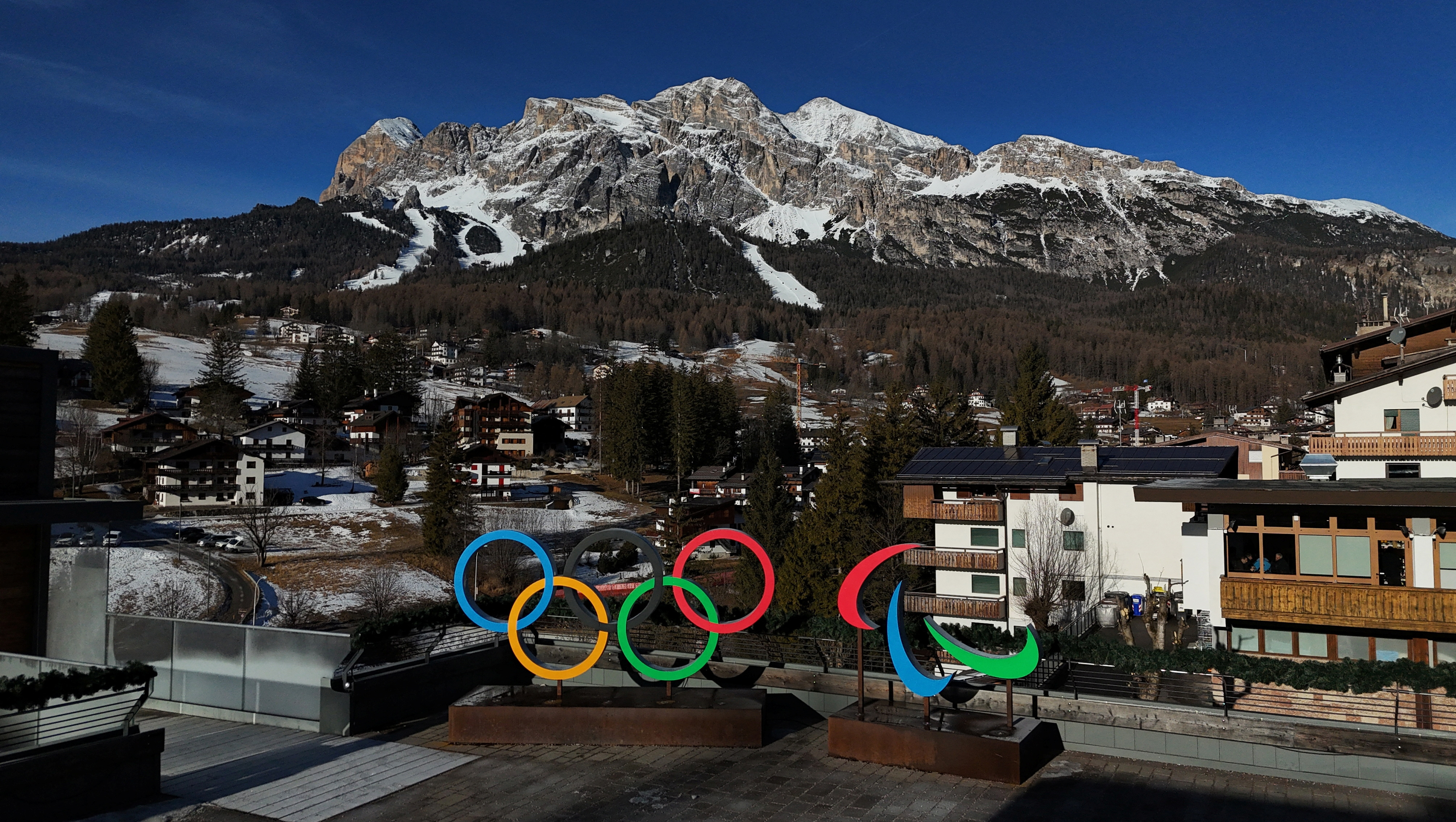
The presence of U.S. Immigration and Customs Enforcement (ICE) personnel in Italy ahead of the upcoming Winter Olympics is raising heightened concern among both lawmakers and the wider public, as debates intensify over jurisdictional authority, security methods, and previous incidents reported in the U.S.The Italian government is confronting increasing scrutiny after reports emerged that ICE officers will provide security support during the Milan-Cortina Winter Olympics. The announcement has reignited discussions about the role of foreign law enforcement agencies on Italian soil, particularly given recent violent incidents linked to ICE operations in the United States.The U.S. Department of Homeland Security (DHS)…
Read More
Why information manipulation threatens democratic stability

How Information Manipulation Endangers Democracy

Democratic stability rests on citizens who stay well-informed, institutions that earn public confidence, a common set of debated yet broadly accepted facts, and orderly transfers of power. Information manipulation — the intentional crafting, twisting, magnifying, or withholding of content to sway public attitudes or actions — steadily eats away at these pillars. It undermines them not only by circulating inaccuracies, but also by altering incentives, weakening trust, and turning public attention into a strategic tool. The threat operates systemically, leading to compromised elections, polarized societies, diminished accountability, and conditions that allow violence and authoritarian tendencies to take hold.How information manipulation…
Read More